

Australians were in for a Mother’s Day treat as auroras swept the skies. But there was little warning, and the spectacle didn’t repeat.
- Associate Professor, RMIT University
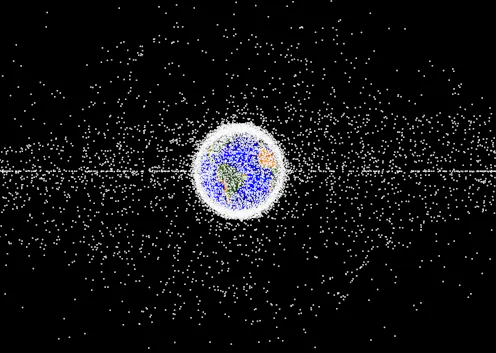
Earth’s orbits are getting more and more crowded. To keep track of everything and avoid collisions and catastrophes, we need a new field: space domain awareness.

The eruption was so large, it created its own space weather and satellite technology disruptions – here’s how.

The aurora is one of nature’s most spectacular sights, a dazzling glow in the upper atmosphere driven by space weather.

The CUAVA-1 cubesat will monitor space weather and changes to Earth’s ionosphere that affect satellites and electronics.

It’s not only nuclear bomb tests that disrupt the atmosphere, there are a number of natural events that can do the same. But how long does any damage last?
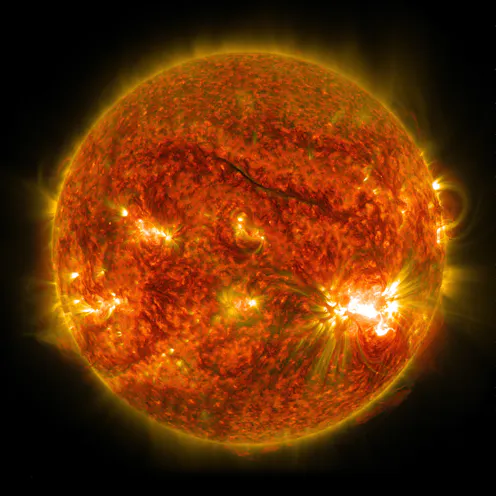
When dozens of US mines planted in waters off the Vietnam coast detonated almost simultaneously in 1972, all eyes turned to the Sun for an explanation.
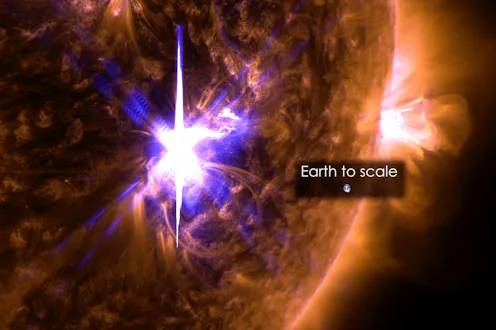
At a time in the sun’s cycle when space weather experts expect less solar activity, our star is going bonkers with solar flares and coronal mass ejections. What effects will Earth feel?
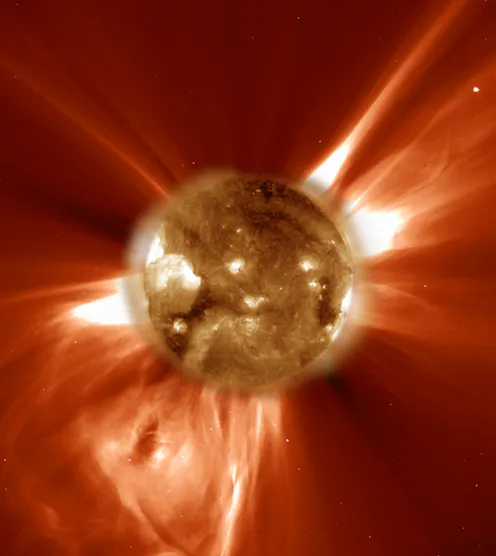
There’s a disturbing history of solar flares taking out the technology we depend on. As tech becomes more and more vital, knowing what is happening in space is growing ever more crucial.
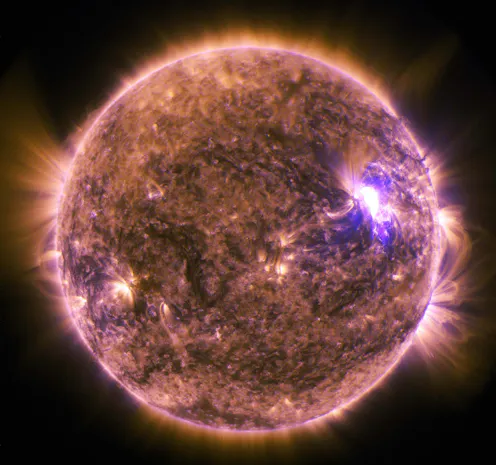
Our power grid infrastructure on Earth is more vulnerable to space weather than previously thought – with susceptibility in more regions and even during quiet geomagnetic periods.

It’s well known that severe space weather events – which are quite rare – can have a negative impact on our use of Global Positioning System (GPS) enabled devices. But our research, published in Geophysical…

Three American soldiers* may have died in Afghanistan’s battle of Takur Ghar because of disruptions caused by plasma bubbles – a form of space weather – according to a new study. Space weather is normally…
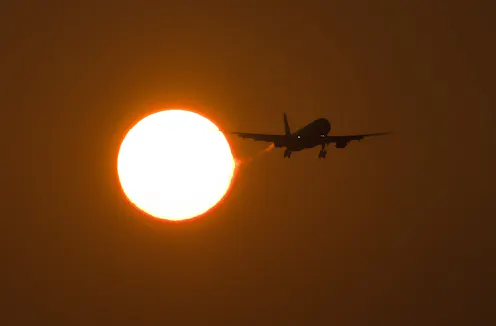
Space weather impacts many modern-day technologies. But one of the most concerning – and least reported – space weather effects is the increased radiation exposure to passengers on commercial long-distance…
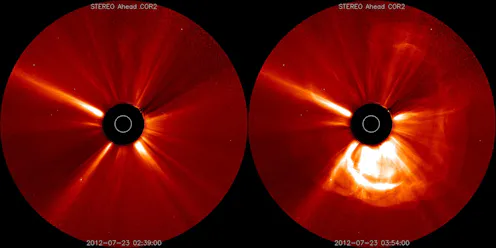
A sobering study published this month in Space Weather warns why we need to get better prepared for disruptive space weather events - particularly coronal mass ejections. The current solar maximum - a…
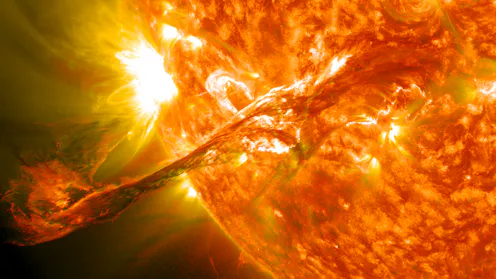
Over the past few months our planet has been impacted by an increasing number of solar explosions that have erupted from the sun’s surface. Even though next year’s predicted solar maximum – the period…
Contact Brett for
- General
- Media request
- Speaking request
- Consulting / Advising
- Research collaboration
- Research supervision
- Location: Melbourne, Australia
- Website
- X (formerly Twitter): @DrBrettCarter
- Article Feed
- ORCID
- Joined
