
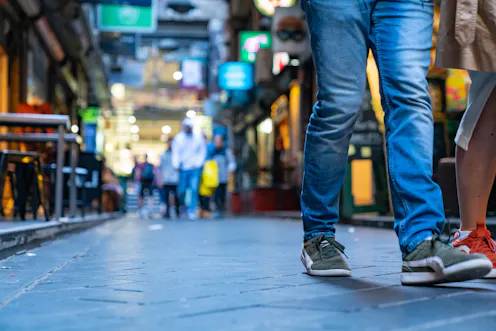
Walking all parts of Melbourne before and after the pandemic hit was eye-opening. It brought home just how much change is possible if we wish for a better, more sustainable way of living.
- Director, Melbourne Sustainable Society Institute, The University of Melbourne
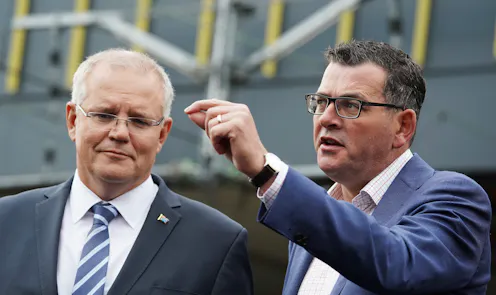
Unsolicited market proposals are not transparently assessed. Infrastructure should be built to serve the public interest, not shaped by its private backers, but the checks to ensure this are broken.

A major investment in renewing the urban centre of Dandenong is starting to pay dividends. But while research has found three keys to success, the benefits haven’t reached everyone.
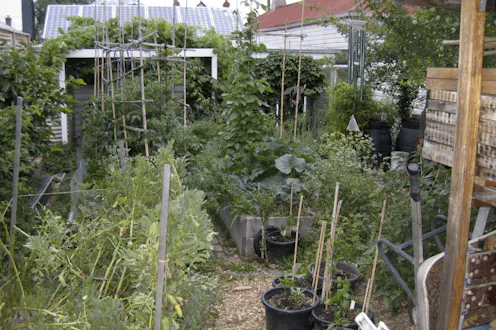
The average consumerist suburban lifestyle is unsustainable. But what if affluent suburbanites and battlers alike ditch the rat race and embrace economic ‘degrowth’? Here’s how it might unfold.
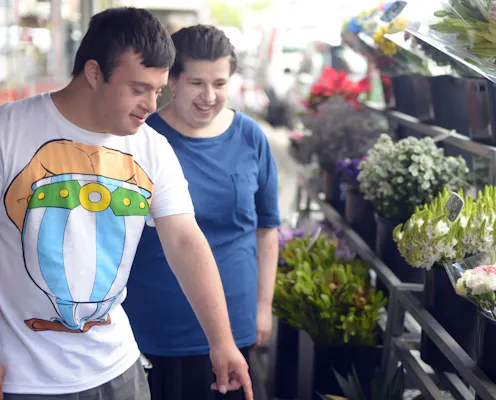
The NDIS is set to reshape Australian cities. But to achieve meaningful participation of people with disabilities, urban communities and services will also need to take action.
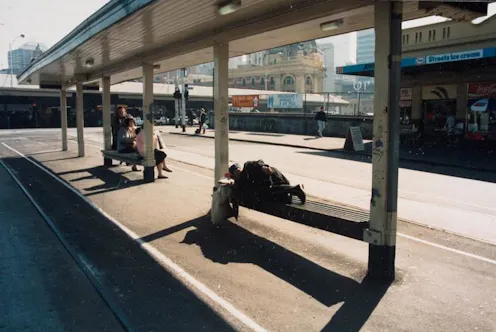
When the city centre was revitalised in the 1990s, homeless people were pushed out. With homelessness rising today, it’s important to recognise the links between urban development and displacement.
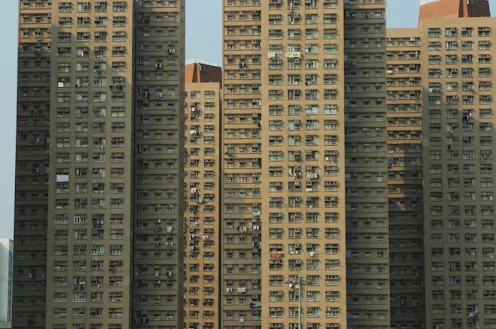
Developing principles to create cities that are good for all is not easy. Who decides what is good? And for whom? We desperately need a big and general public discussion about this.
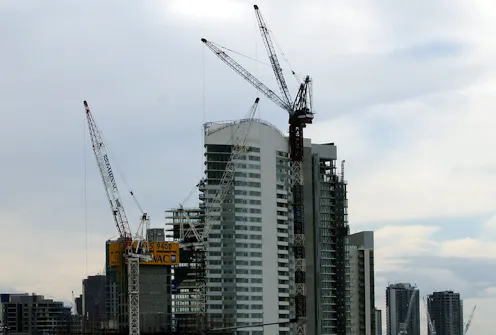
Achieving the goal of sustainable cities depends on rolling back the market after decades of privatisation and deregulation.
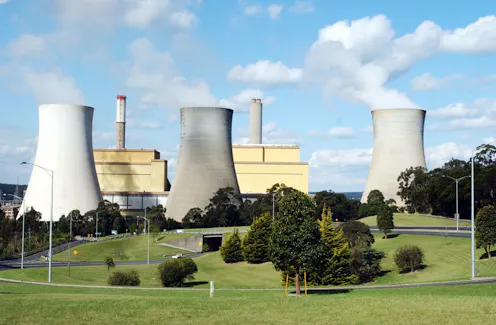
City-centric thinking arguably obscures connections between ‘humans’ and ‘nature’, and ‘urban’ and ‘rural’ or ‘wild’. Growing evidence of the depths of these links is testing the concept of ‘urban’.
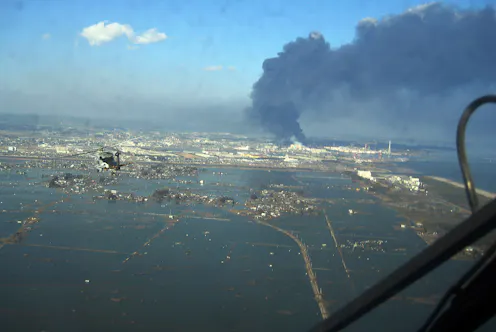
The old German saying Stadt Luft Macht Frei (“urban air makes you free”) is the defining injunction of modernity. Modern western cities were launched as the vessels of liberation from a human era darkened…
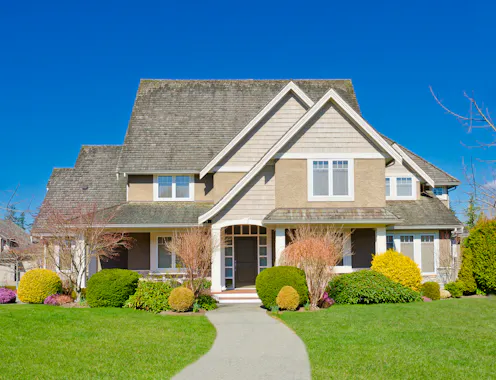
In a recent article on The Conversation Robert Nelson argues we are all morally culpable for unsustainable urban sprawl. He goes on to suggest we fix this by taking advantage of opportunities for higher…
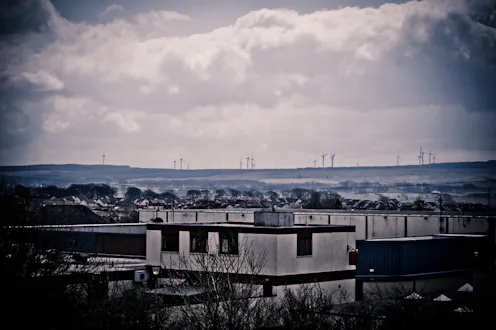
WHAT IS AUSTRALIA FOR? Australia is no longer small, remote or isolated. It’s time to ask What Is Australia For?, and to acknowledge the wealth of resources we have beyond mining. Over the next two weeks…
Contact Brendan for
- General
- Media request
- Speaking request
- Consulting / Advising
- Research collaboration
- Research supervision
- Website
- Article Feed
- Joined
