
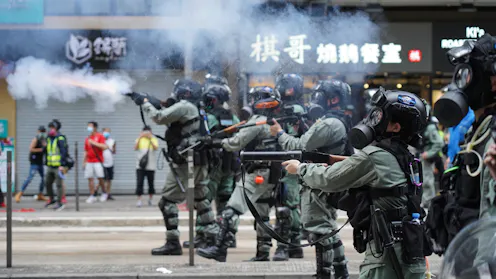
Hong Kong is marking five years of life under China’s national security law – opposition parties have disbanded, while democracy activists remain in jail or exile.
- Lecturer in Law & Justice, UNSW
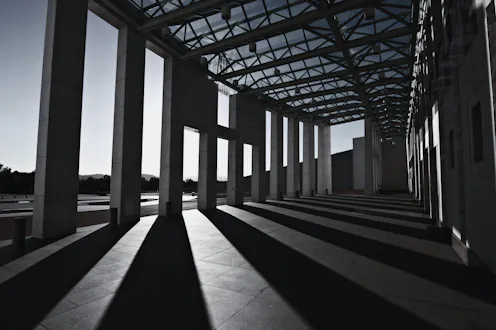
In recent years, Australia has been dubbed the “defamation capital of the world”. High-profile legal stoushes in the headlines seem to back this up. How can we reconcile this with freedom of speech?

As Linda Reynolds’ defamation trial against Brittany Higgins continues, Peter Dutton is apparently considering suing fellow MP Zali Steggall. Our legal system is out of step with democracy.

Irwin’s legal team threatened to sue Pauline Hanson’s party for defamation, but no legal proceedings have been initiated. Australia’s patchy laws in this area likely put a stop to it.
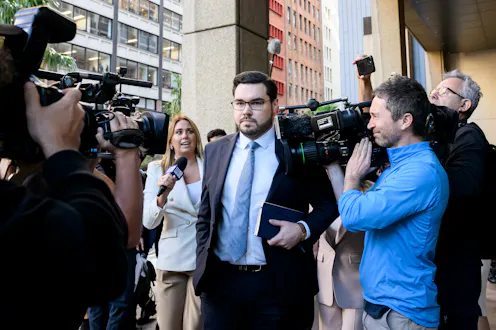
In one of the biggest legal sagas of recent times, Justice Michael Lee has delivered his verdict. What did he say?
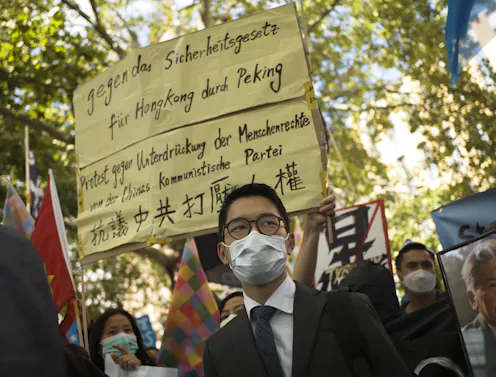
The Hong Kong government may not be able to bring the activists to trial. But the warrants could encourage vigilantism or extra-legal rendition, which has occurred before.

Porter claims even though he wasn’t named in the ABC article, he was easily identifiable to many Australians. For the ABC, the defences to defamation are notoriously difficult to establish.
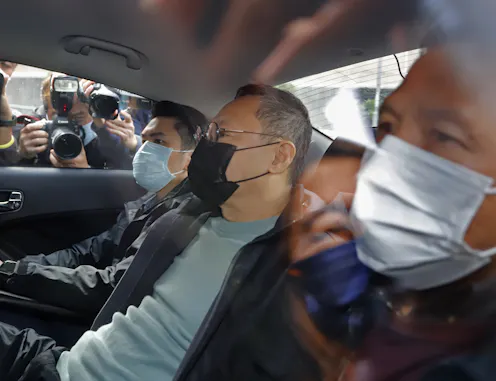
Britain accused China of deliberately misleading the world after the arrest of 50 pro-democracy figures under Hong Kong’s new national security law.
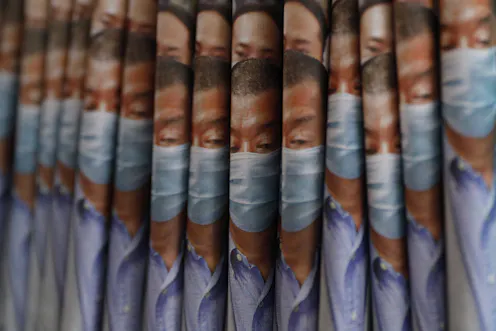
Over the years, much of Hong Kong’s media has been bought up by China-owned or -affiliated entities. Now, the few remaining independent journalists face a new threat: the city’s national security law.
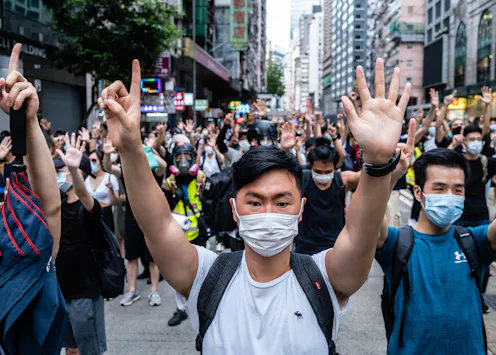
Much is still unknown about how the new national security law will be used in Hong Kong – a deliberate strategy by China. Beijing’s intention, though, is clear: make dissent all but impossible.
Contact Brendan for
- General
- Media request
- Speaking request
- Consulting / Advising
- Research collaboration
- Research supervision
- Website
- Article Feed
- ORCID
- Joined
