

Concentrations of carbon dioxide are now 147% above pre-industrial levels, according to a definitive report by the World Meteorological Organisation released today.
- Climate scientist, Australian Bureau of Meteorology
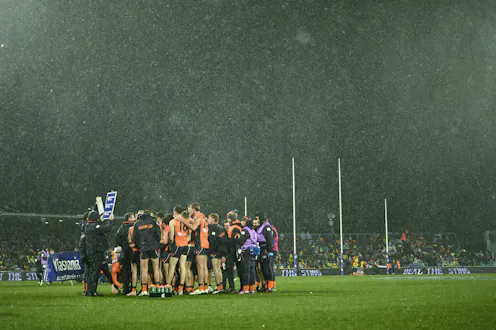
Cold fronts swept south-eastern Australia, bringing snow and freezing temperatures. While snow is expected to decrease with climate change, cold snaps are likely to keep coming.
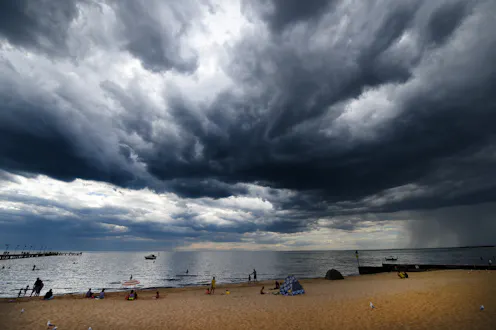
Last year saw plenty of warm weather around the country, but other notable events included dry months in the southeast, some very cold winter nights, and record-warm dry season days in the north.

2016 was Australia’s fourth warmest year on record, capping off the hottest decade.

The final weeks of 2016 would need to be the coldest of the 21st century to avoid it becoming the hottest year.
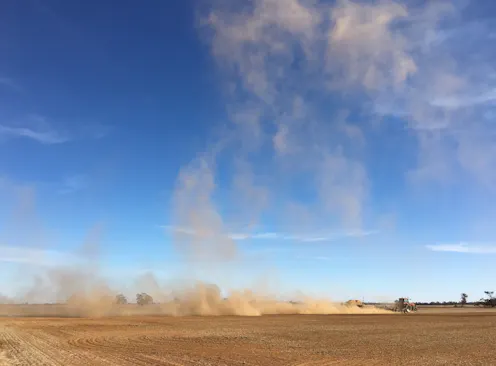
From floods to drought, fire to famine, the 2015-16 El Nino has had a global impact.
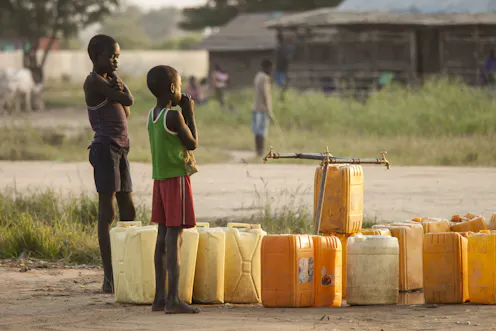
From floods to drought, fire to famine, the 2015-16 El Nino has had a global impact.
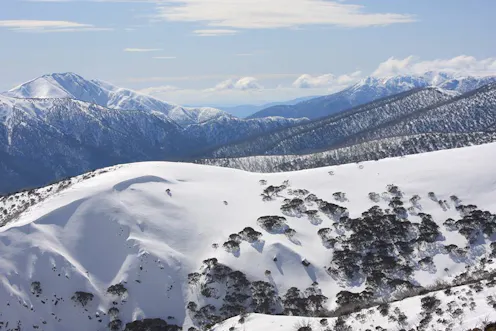
Australia’s snow season is notoriously fickle - so what determines whether we’ll get a good fall?
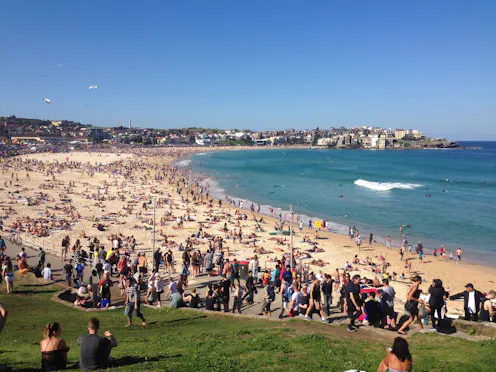
Sydney is in the process of smashing the record for the longest run of days above 26°C. Weather, El Nino and climate change are all playing their part.
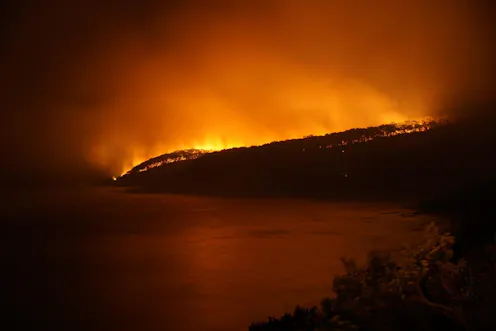
El Niño dominated global climate in 2015, but in Australia the story was more complicated. 2015 was Australia’s fifth warmest year on record, and saw the return of very dry conditions to parts of Australia.

The Bureau of Meteorology has confirmed 2013 as Australia’s hottest year since records began in 1910. Average temperatures over the continent have been 1.2C above the 1961-1990 average, breaking the previous…
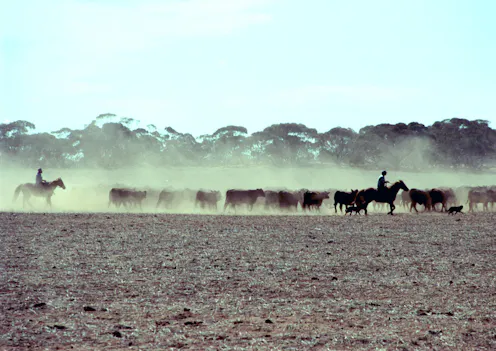
While much of Australia has received average to above average rainfall over recent months, parts of Australia such as western Queensland are in the middle of a drought. Drought has been a feature of the…

The spring of 2013 has been Australia’s warmest on record. Mean temperatures for the season were 1.57C above the 1961-1990 average, surpassing the previous record of 1.43C (set in 2006) by 0.14C. Daytime…
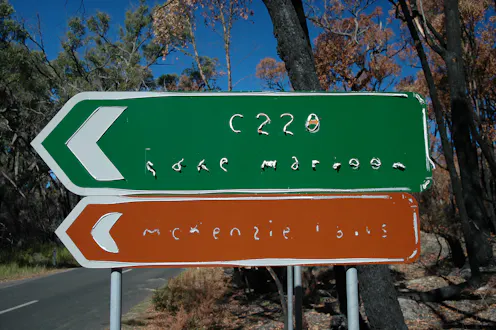
The last 10 months have been abnormally warm across Australia and we’ve seen a notable lack of unusually cold weather this winter. Are we heading for the hottest year on record? The more significant records…
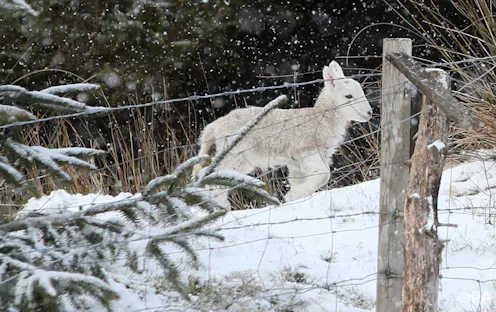
If you are one of the many people with a larger than normal heating bill for recent months, you would probably be under the impression that it has been exceptionally cold in the northern hemisphere. We’ve…

If you’ve been following the news in Australia in recent months, you would probably be under the impression that it has been exceptionally cold in the Northern Hemisphere. We’ve seen heavy snow on multiple…

This summer hasn’t just felt hot. It’s been hot. In fact, the summer of 2012-13 is now the hottest on record. Average temperatures beat the record set in the summer of 1997-98, and daytime maximum temperatures…

Sydney experienced its hottest day on record today, with temperatures rising past 46 degrees Celsius at the airport, according to the Bureau of Meteorology. Dr Blair Trewin, a climatologist at the Bureau…
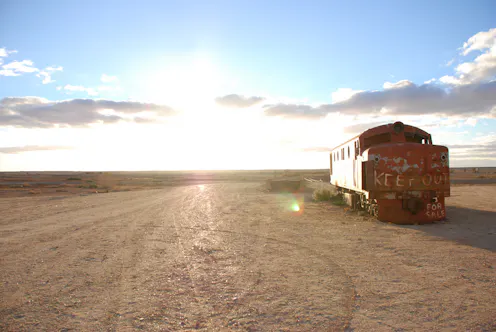
Australia has started 2013 with a record-breaking heat wave that has lasted more than two weeks across many parts of the country. Temperatures have regularly gone above 48°C, with the highest recorded…
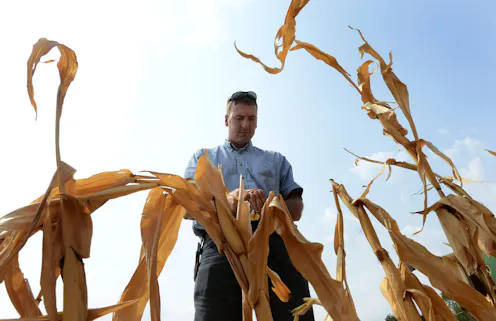
The 2012 northern hemisphere summer, like its two predecessors, has seen a wide range of climate extremes, many involving heat. In most recent summers there has been at least one part of the world with…
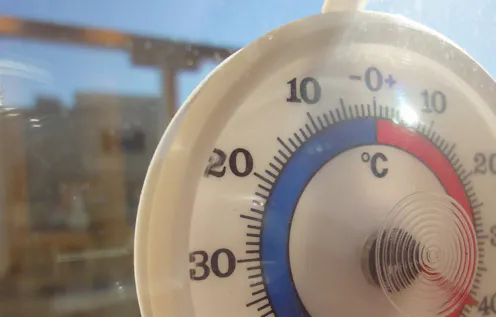
The Berkeley Earth Surface Temperature (BEST) study recently found that global land-surface temperatures have increased by about 1°C since the 1950s — and 1.5°C since the mid-18th century. These results…
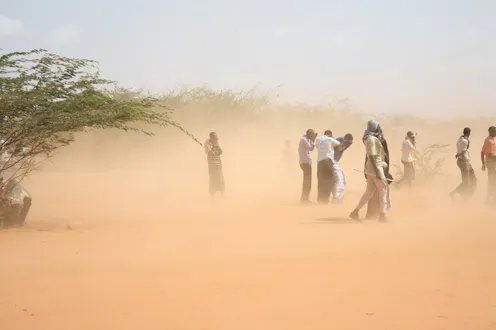
2010 was the world’s hottest year on record, with global temperatures 0.53°C above the long-term (1961-1990) average. 2011 started with a strong La Niña (perhaps the strongest since 1917), something which…
Contact Blair for
- General
- Media request
- Speaking request
- Consulting / Advising
- Research collaboration
- Research supervision
- Article Feed
- Joined
