
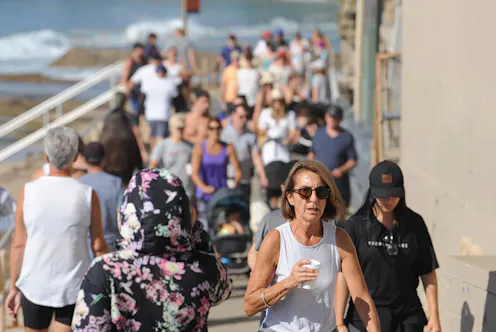
We’ve all seen the increases in people walking and cycling on shared paths so crowded it’s almost impossible to maintain physical distancing. This must be fixed, and quickly.
- Distinguished Professor and Director, Urban Futures Enabling Capability Platform, and Director, Healthy Liveable Cities Group, RMIT University

We are all finding out about neighbourhood liveability as we stay home for the coronavirus lockdown. What we learn about local strengths and weaknesses can help us improve our communities in future.
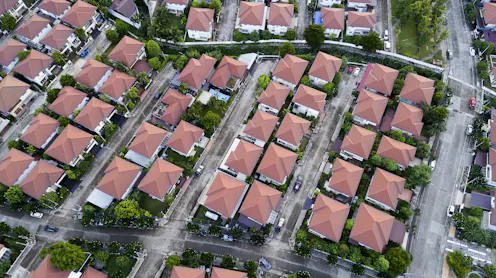
Much of the growth in our cities is in the outer suburbs, now home to around 5 million people. And that creates problems like traffic that detract from the advantages residents see in living there.

Research has started to identify the key factors in creating communities that promote good early childhood development.

Every year, our big cities vie for global liveability honours. But as well as differences between the cities, liveability varies widely within them, leaving plenty of work to be done.

The world’s “most liveable city” ranking is based on an index designed for companies sending their employees overseas. It’s not relevant to the average person.
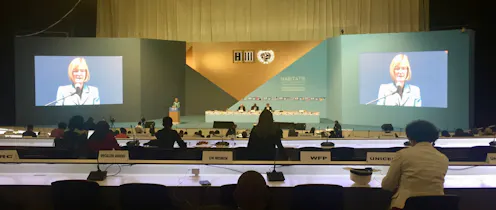
Australia and other United Nations member states signed up to the New Urban Agenda more than a year ago. But how well is health being integrated into sustainable urban development?
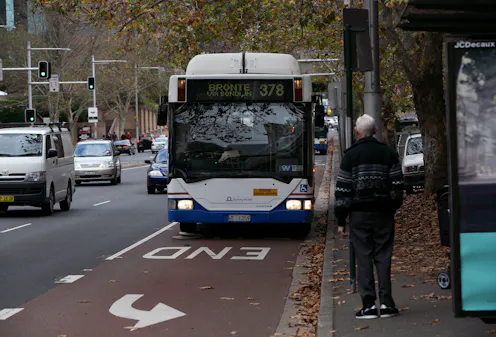
Governments, developers and urban planners all aspire to create liveable cities. Yet when it comes to Australian cities, the rhetoric and reality don’t quite match.
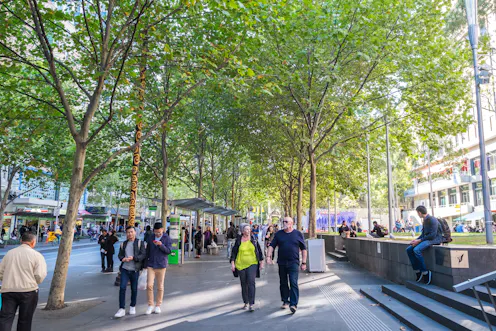
The challenge of creating liveable communities across Australia’s capital cities comes down to seven key factors. And assessed on this basis, parts of our cities don’t fare so well.

Communities that rate highly for liveability share certain essential features. We can identify and build these key ingredients into our cities to create thriving places where people want to live.
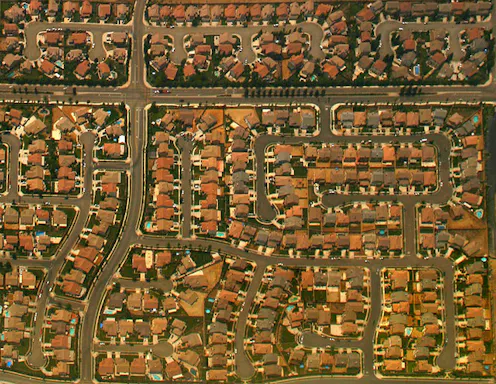
OBESE NATION: It’s time to admit it - Australia is becoming an obese nation. This series looks at how this has happened and more importantly, what we can do to stop the obesity epidemic. Here Billie Giles-Corti…
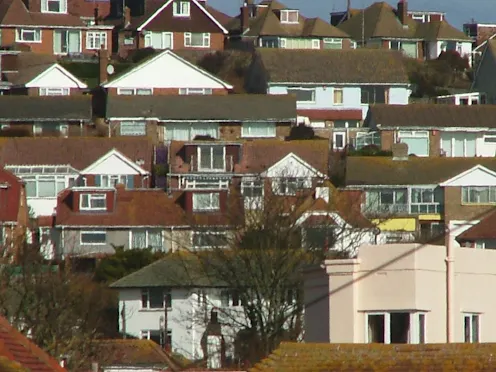
Non-communicable diseases – Billie Giles-Corti looks at how the built environment impacts the development of NCDs. Never before in human history have so many people been able to be so sedentary in the…
Contact Billie for
- General
- Media request
- Speaking request
- Consulting / Advising
- Research collaboration
- Research supervision
- Location: Melbourne, Australia
- Website
- X (formerly Twitter): @billiegc
- Article Feed
- ORCID
- Joined
