
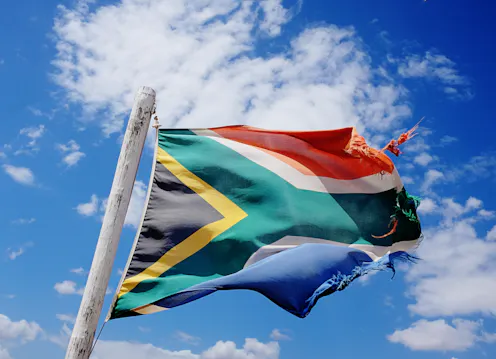
A threshold has been crossed, with a pessimistic outlook becoming more dominant than an optimistic one.
- Research Director: Developmental, Capable and Ethical State (DCES) research division, and Coordinator of the South African Social Attitudes Survey (SASAS), Human Sciences Research Council

Individual beliefs about the past and its relevance to the present strongly influenced awareness of the Marikana tragedy.
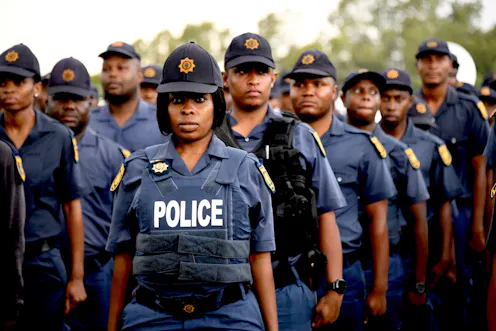
Perceptions that South African police treat people disrespectfully, lack impartiality or transparency, and are prone to brutality
undermine public confidence in them.
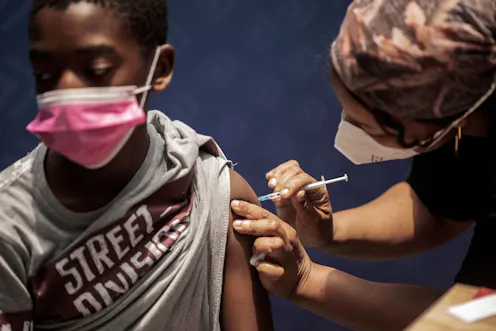
Income plays a large role in shaping the structural barriers people face in accessing vaccination.
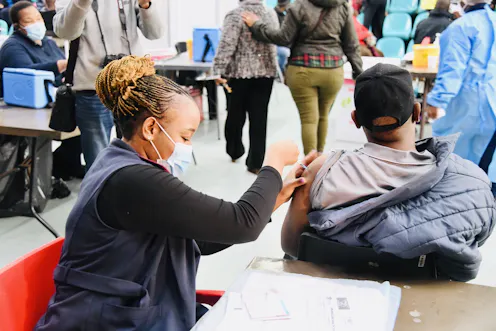
Most adults were prepared to sacrifice their rights to ensure the safety and health of all during the pandemic, averaging 74%.
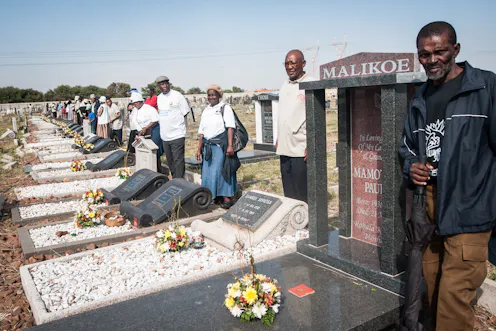
The low levels of familiarity with key historical events indicate that there are serious shortcomings in the development of national collective memory in South Africa.
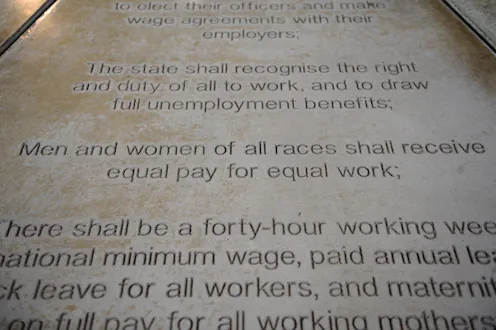
The Freedom Charter process was an imperfect but impressive attempt at capturing the will of the people and articulating an alternative vision to apartheid South Africa.
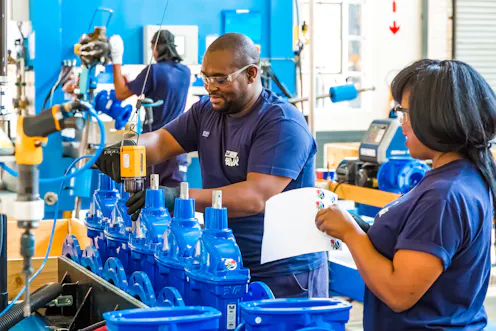
The governments needs to adjust its agenda to take on board concerns voiced by citizens about the impact of technological changes.
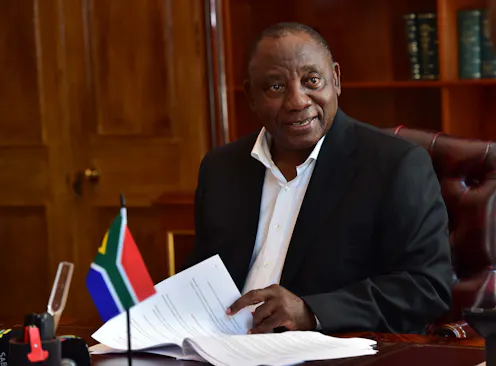
Corruption has, over the past decade and a half, become one of South Africans’ biggest concerns.
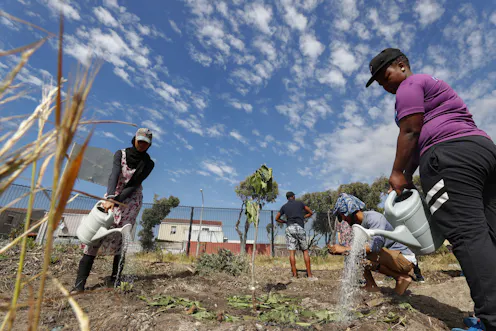
A survey shows that support for land reform in South Africa differs according to race.
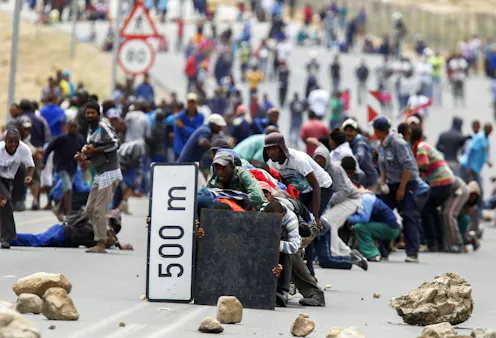
Governing parties and officials need to take note of the frustration being expressed by ordinary South Africans.
Contact Benjamin for
- General
- Media request
- Speaking request
- Consulting / Advising
- Research collaboration
- Research supervision
- Location: Durban, South Africa
- Website
- X (formerly Twitter): @sasas_rsa
- Article Feed
- ORCID
- Joined
