
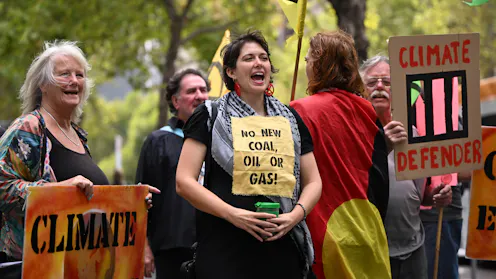
Taking small, personal actions doesn’t seem to stop people from seeing the big picture on climate change.
- Professor of Cognitive Psychology and Director of the Institute for Climate Risk and Response, UNSW
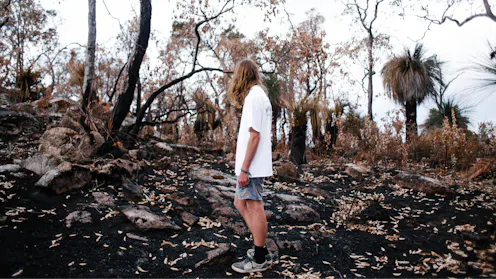
It’s time to recognise climate change for what it is. A new study shows it’s a current and ongoing threat to our standard of living.

Frustrations at slow global climate talks has led more than 50 nations to begin plans to phase out fossil fuels – even as oil shocks raise the stakes.
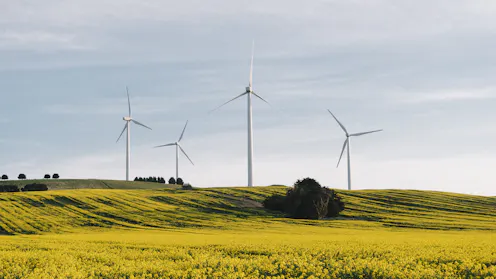
Australia will go to the COP30 climate talks with better emissions targets and a desire to boost flagging action.
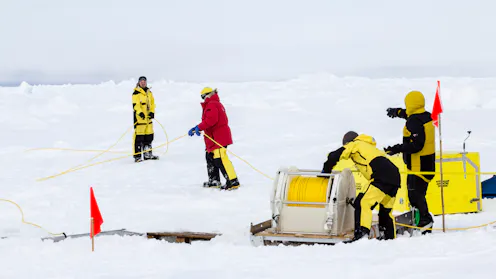
New research shows climate scientists are less trusted than other types of scientists. But there are big differences between countries and specific groups of people.
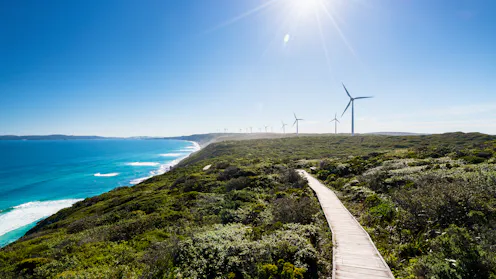
Under a Labor government, coal and gas have a fast-declining role to play in Australia’s energy mix – and nuclear has none at all.
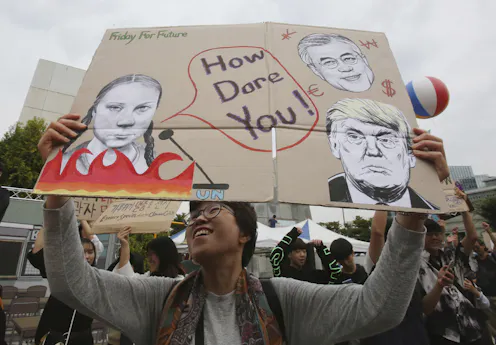
Upaya untuk mengatasi krisis iklim secara global jauh lebih besar dari satu orang. Berikut sepuluh alasan agar kita tetap berharap.
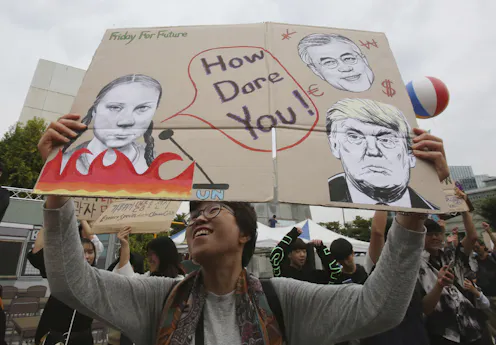
Efforts to tackle the climate crisis – both in Australia and globally – are much bigger than one man. Here are ten reasons to remain hopeful.
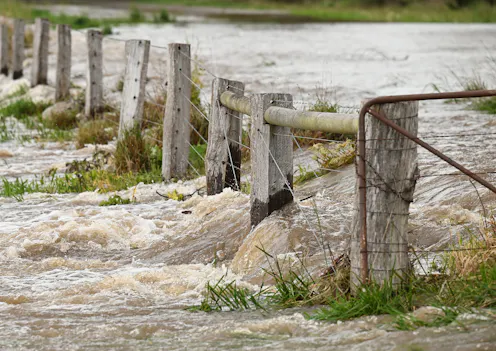
It’s important to produce complex, precise simulations of our future climate. But equally, we need to make sure businesses can actually understand and use them.

Despite the popular and intuitive notion that people find climate change psychologically distant, a new review of the evidence shows that’s not the case at all.

Commonwealth Bank data shows the Australians who withdrew super spent more, but paid down their debt.

The White Lotus is a tense, new drama about the lives of the rich and privileged, set in a Hawaiian resort. But the protagonists are not lying around reading airport novels.
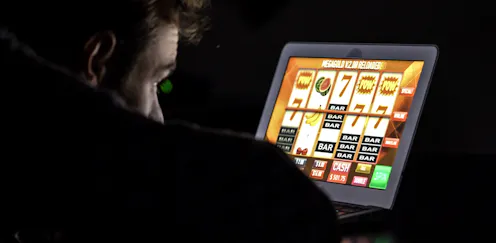
How to inject more reality into gamblers’ overestimation of their chances of winning? One simple tool is feedback.
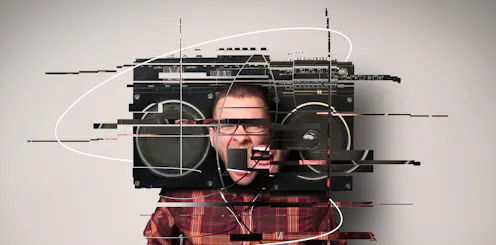
Bias is a psychological process detectable in individual judgements. Noise is a different phenomenon affecting human decisions.
Australia’s behavioral economics unit publishes rather than hides the results of its unsuccessful experiments.

Is it safe to nip out for milk? Should I download the COVIDSafe app? Is it OK to wear my pyjamas in a Zoom meeting? All these extra decisions are taking their toll.
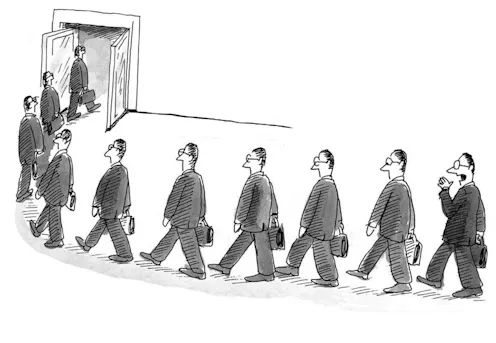
Far from having a lack of procedures, scientific method is based on observation, prediction, test and appraisal.
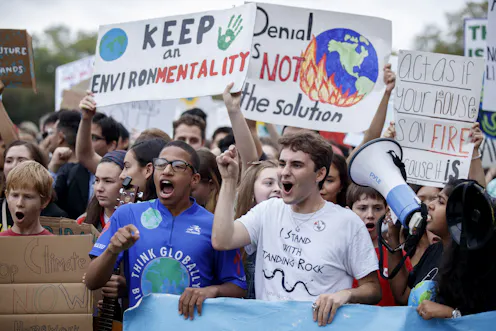
Mass strikes help target the psychological factors most important for acting on climate change, by emphasizing social norms and reinforcing the effectiveness of collective action.
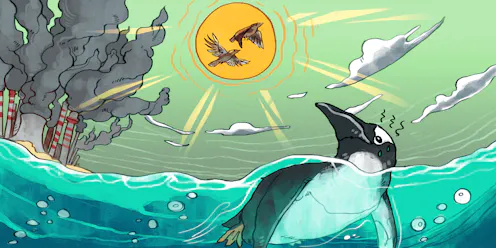
To give the best chance for science to have an impact, we need to present our arguments to the public in the most convincing ways we have available. Applied psychology can help.

We’re being ‘nudged’ to make good health choices every day. But who decides what’s best? And what happens when we don’t agree?
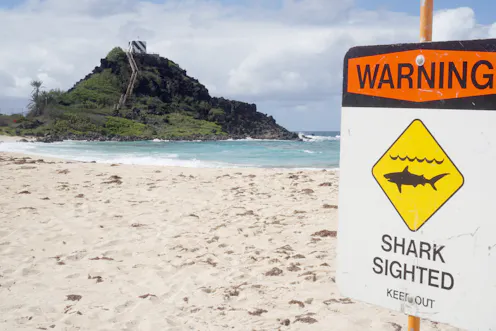
We naturally overestimate the risk of rare events, like shark attacks or terrorism. But there are things you can do to think more rationally about the real risk.
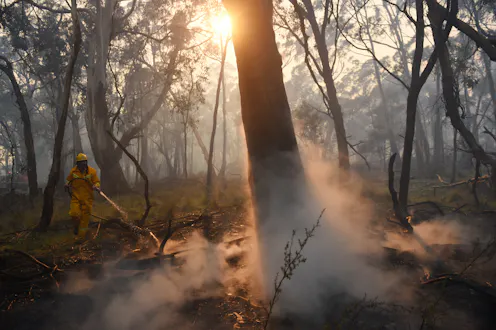
Are you at risk from natural disasters? Research shows media reports could actually reduce people’s perceptions of risk.
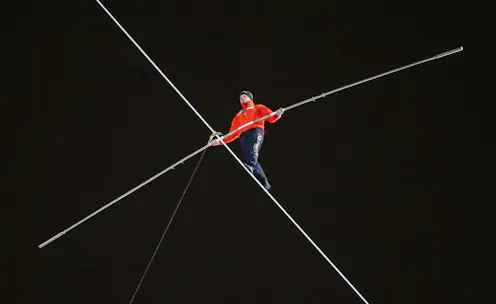
This is the fourth article in a series, How we make decisions, which explores our decision-making processes. How well do we consider all factors involved in a decision, and what helps and what holds us…
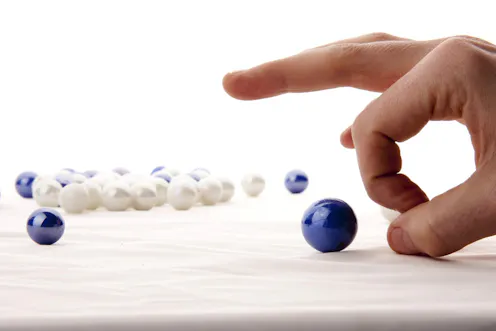
Earlier this week an impressive cast of academics, policy experts and business leaders gathered in Sydney at the inaugural Behavioural Exchange meeting to talk about “nudges”. Made famous by Richard Thaler…

If we’re not certain that the problem’s there, then … we shouldn’t take actions which have a high severity the other way. This was the response from David Murray – then chairman of Australia’s Future Fund…
Contact Ben for
- General
- Media request
- Speaking request
- Consulting / Advising
- Research collaboration
- Research supervision
- Location: Sydney, Australia
- Website
- X (formerly Twitter): @UNSW
- Article Feed
- Joined
