

Discovery in China of tools called Quina scrapers suggests the people of East Asia were as inventive and flexible with technology during the Middle Paleolithic era as those in other parts of the world.
- Professor of Archaeology, University of Washington

Hundreds of archaeologists provided on-the-ground data from across the globe, providing a new view of the long and varied history of people transforming Earth’s environment.
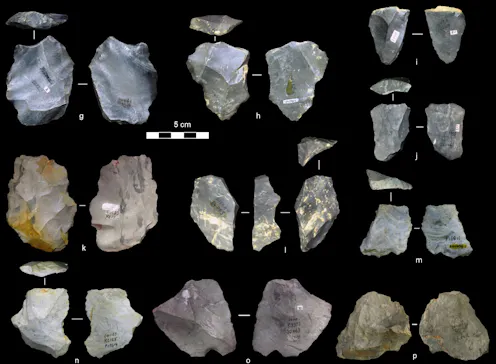
A fresh look at museum artifacts fills in a gap in the Asian archaeological record and refutes the idea that an advanced technique was imported from the West by early modern humans.
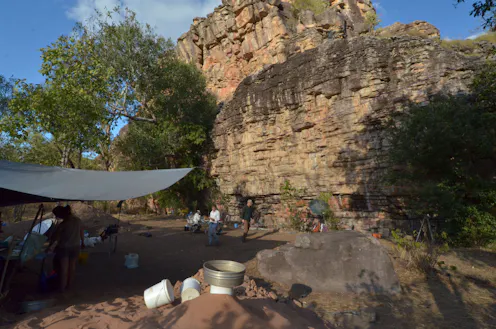
A new study pushes back the first known evidence of human activity in Australia – to 65,000 years ago.

A team of archaeologists strived to improve the reproducibility of their results, influencing their choices in the field, in the lab and during data analysis.

Venues de plusieurs champs scientifiques, des propositions visent à rendre plus transparent le travail du chercheur sur ordinateur. Logiciels libres et méthodes collaboratives servent la science.
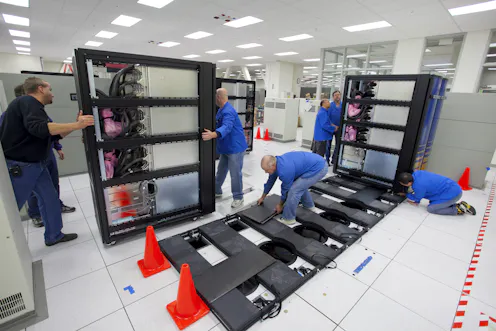
L’ordinateur personnel a révolutionné la science. Pratique pour le chercheur, il rend aussi plus obscur le processus par lequel la découverte s’organise. Reproduire les résultats devient une gageure.
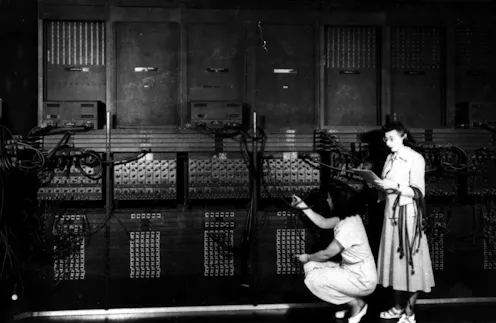
Virtually every researcher relies on computers to collect or analyze data. But when computers are opaque black boxes that manipulate data, it’s impossible to replicate studies – a core value for science.
Contact Ben for
- General
- Media request
- Speaking request
- Consulting / Advising
- Research collaboration
- Research supervision
- Location: Seattle, Washington, U.S.
- Website
- BlueSky: @benmarwick.bsky.social
- Facebook: benmarwick
- LinkedIn: ben-marwick-783212b
- Article Feed
- ORCID
- Joined
