
The aim was to increase the city’s own source revenue by improving fairness, transparency, and compliance while modernising outdated systems.
- Research associate at African Centre for Cities, University of Cape Town
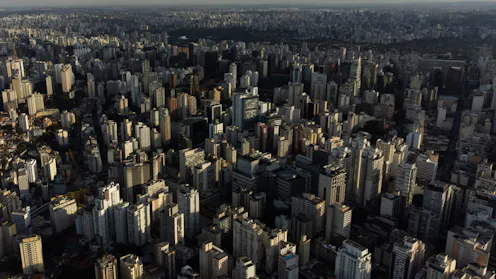
Johannesburg in South Africa and São Paulo in Brazil offer useful insights into how cities in the global south should be managed.
African cities need institutions that can adapt, transparent decision making, and collaboration with civil society and the private sector.

Un nouveau rapport de l'organisation à but non lucratif Action Aid estime que les pays riches doivent 36 000 milliards de dollars de dette climatique à l'Afrique.

A new report by the non-profit organisation Action Aid calculates that wealthier countries owe Africa US$36 trillion in climate debt.
There’s an opportunity for Africa’s cities to learn from the successes and challenges faced by cities in other parts of the world.
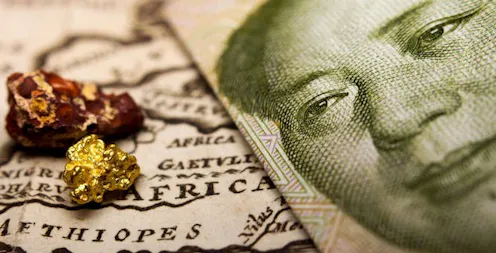
Les importants investissements chinois en Afrique ont profondément transformé les paysages urbains du continent.
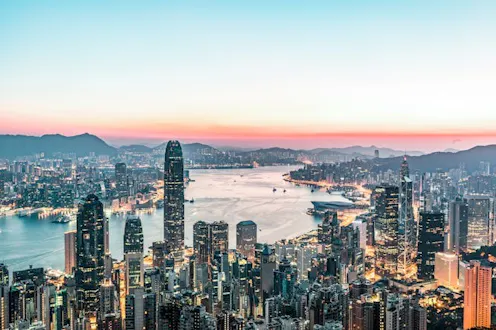
Les pays africains peuvent s'inspirer de Hong Kong pour financer les infrastructures et services publics grâce à la hausse des prix du foncier urbain.
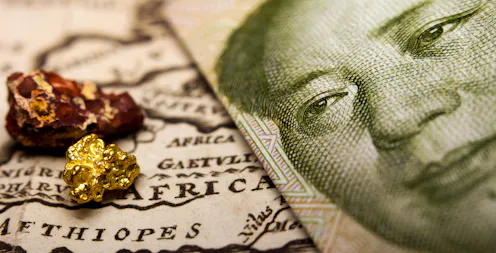
Substantial Chinese investment in African countries has transformed cities.
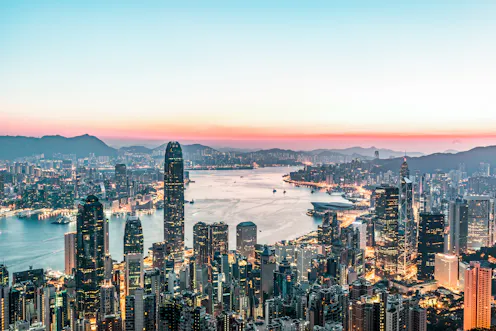
African countries can learn a lot from Hong Kong on how to use the gains from rising urban land prices to fund infrastructure and other public services.
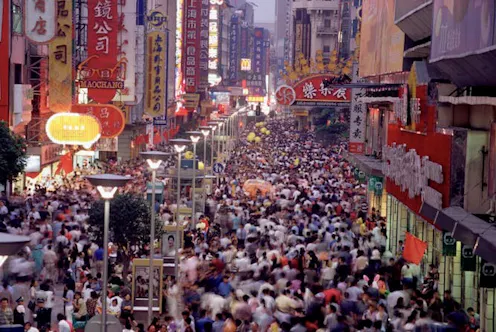
Les pays africains s'urbanisent rapidement, mais sans investissement dans les infrastructures publiques et les services, entraînant congestion, contagion et prolifération des établissements informels.
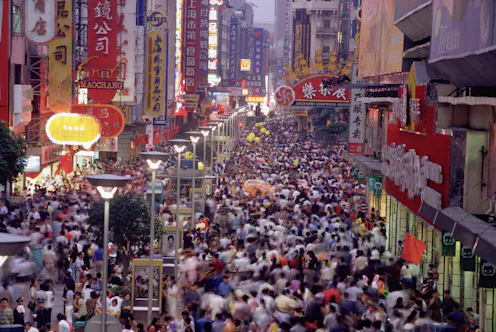
African countries are urbanising fast but without investment in public infrastructure and services, resulting in congestion, contagion and the rise of informal settlements.
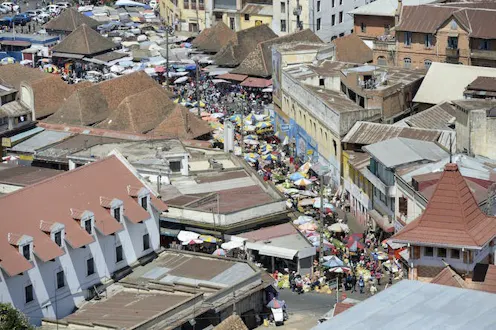
Les villes africaines sont celles qui contribuent le moins au changement climatique, mais qui en subissent le plus les conséquences en termes de fréquence et de gravité des phénomènes météorologiques.
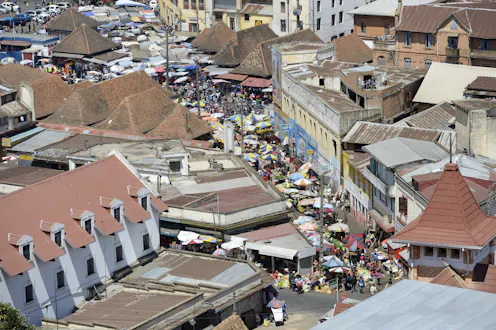
African cities contribute the least to but bear the highest impact of climate change in terms of frequency and severity of weather events.
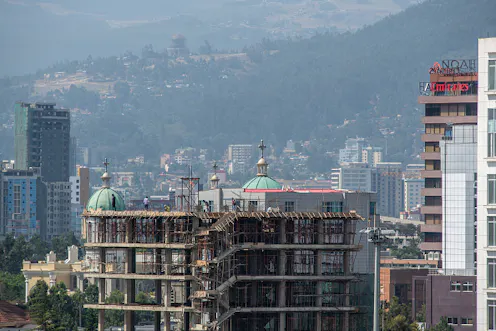
Gender parity in the top echelons of donor organisations is key, given that Africa’s cities rely on international aid for development.
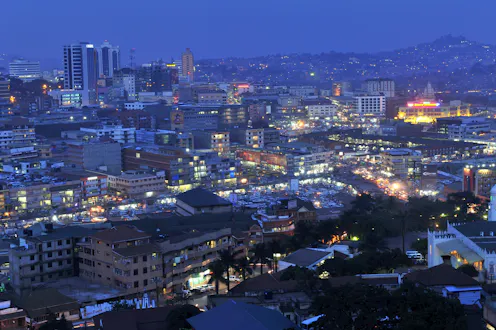
East Africa is one of the fastest urbanising regions in the world, but it’s still in the early phases. There’s a big opportunity to get the region’s cities right.
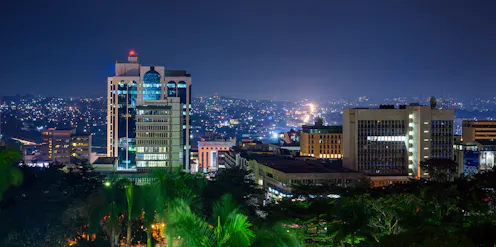
Cities, which account for 70% of emissions globally, should be at the frontline of tackling some of the most severe effects of climate change.
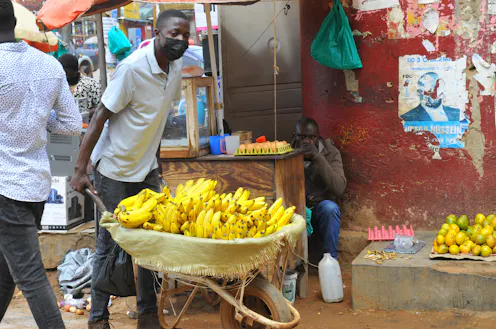
Lockdown measures may stop the spread of the virus. But they can also lead to a larger and more protracted public health crisis in the form of deprivation and hunger.
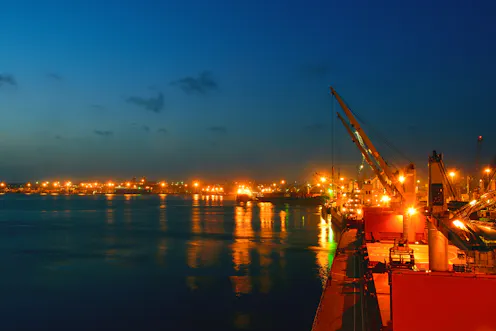
Harnessing the combined effect of trade and urbanisation could significantly boost the economies of African countries.
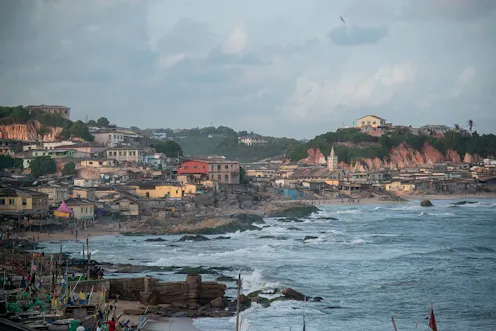
Intermediary cities have a vital role to play in the economies of African countries.
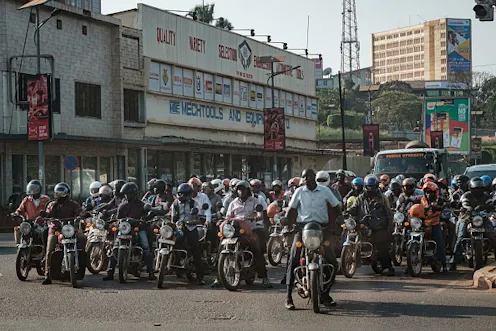
Kampala’s current transport system is not working to the benefit of its users, its operators or the government. It is not providing a mobility service.
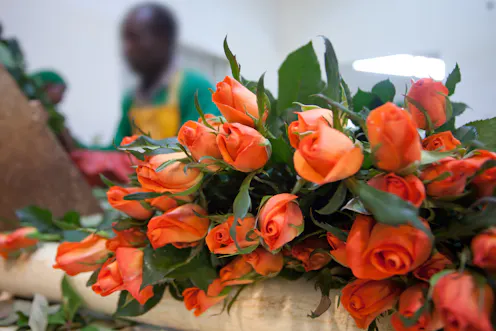
Restricting trade to control the pandemic damages livelihoods, especially those of the urban poor. The control of future pandemics must strike a balance between health and economic activity.
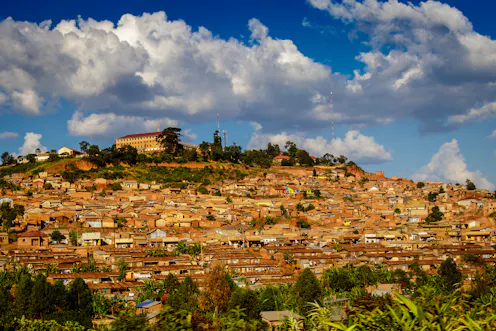
The demon is not density but rather that African countries have not planned and made the investments necessary to manage the downsides of the type of density found in informal settlements.
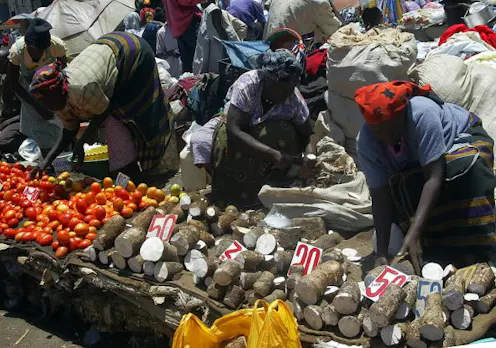
Safe rural migration programmes are not a substitute for formal social protection. But they could buy governments some time.
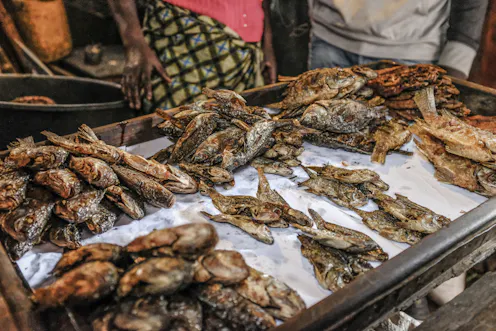
Africa’s industries are not growing at the same pace as its cities, leaving the informal economy as the main source of income for many. COVID-19 lockdowns have cut this umbilical cord.
Contact Astrid for
- General
- Media request
- Speaking request
- Consulting / Advising
- Research collaboration
- Research supervision
- Location: Hong Kong
- Website
- X (formerly Twitter): @astihaas
- Article Feed
-
- Joined
