
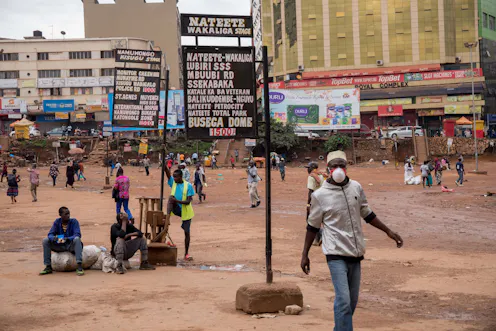
Densely populated urban areas are great drivers of economic development and innovation, but that also makes them a fertile ground for the spread of pandemics.
- Research associate at African Centre for Cities, University of Cape Town
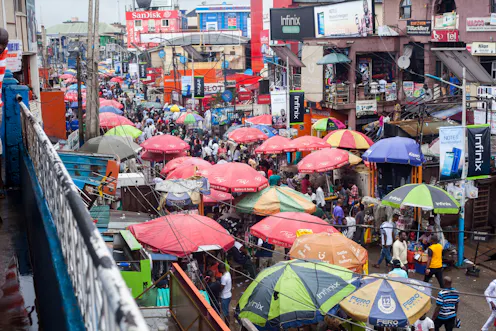
Constructing fancy ‘smart cities’ might not be the best solution for Africa’s rapidly urbanising populations.
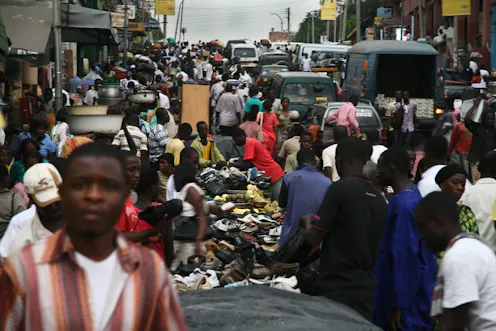
Africa is home to the world’s fastest growing cities. However, poor governance has robbed the continent of the benefits of people and firms clustering together.
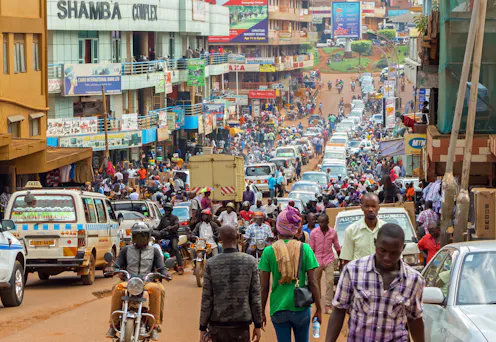
Metropolitan areas are key to economic prosperity of countries. But this is affected when the population grows too fast like in Uganda’s Kampala, where growth has outpaced infrastructure development.
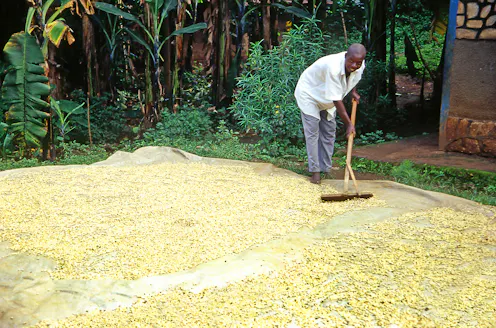
In the 1980’s Uganda was one of the largest coffee exporters in the world, far ahead of Vietnam which hardly exported any. Now the tables have turned raising interesting comparative questions.

To date, neither Republican presidential frontrunner Donald Trump nor Democratic contender Hillary Clinton have paid significant attention to Africa as part of their campaign efforts.
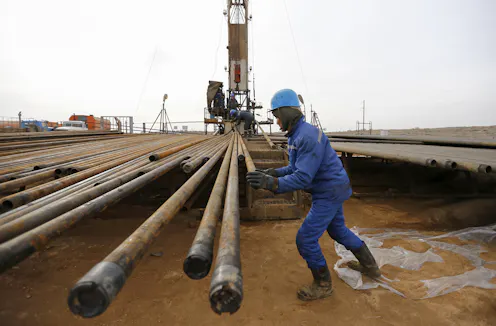
South Sudan is not the only oil-dependent country suffering from the fall in oil prices. Nigeria and Angola are also having difficulties. One solution is for them to diversify their economies.
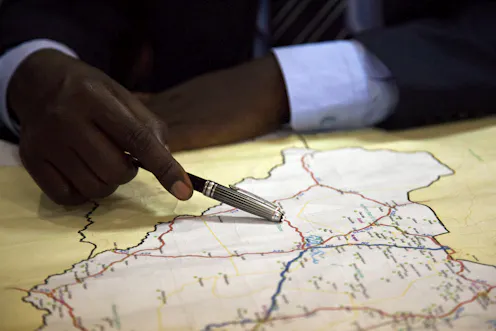
Countries like Rwanda have shown that regional integration can enhance growth and reduce poverty. South Sudan should follow its lead in its engagement with the East African Community.

To achieve its ambition of becoming a middle income country, Uganda must accelerate the movement of workers from agriculture and the informal sector into modern industries.
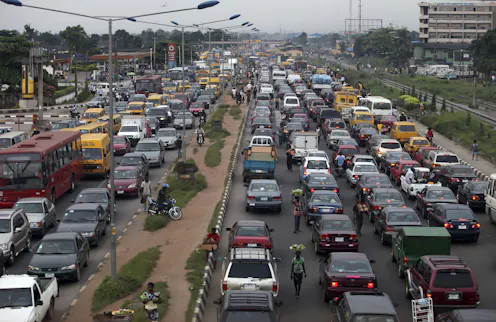
Kampala generates about 60% of Uganda’s GDP. In the coming decade urbanisation is the single largest opportunity to spur economic growth in the coming decade.
Contact Astrid for
- General
- Media request
- Speaking request
- Consulting / Advising
- Research collaboration
- Research supervision
- Location: Hong Kong
- Website
- X (formerly Twitter): @astihaas
- Article Feed
-
- Joined
