

As new viruses “jump” from wildlife to humans and we struggle with antimicrobial resistance and even climate change, a new interdisciplinary approach to human health might just save the day.
- Principal Scientist and Canada Research Chair in Zoonotic Virus and Animal Reservoirs at the Vaccine and Infectious Disease Organization and Co-Lead of One Health at the University of Saskatchewan, University of Saskatchewan

Recent discoveries of ancient viruses are helping scientists understand their origins.
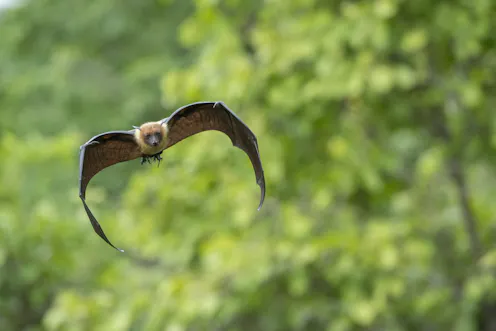
Scientific studies show that bats may carry “coronoviruses” causing SARS and MERS - without showing symptoms of disease. Could the bat immune system be key to human survival in future pandemics?

We’ve all endured infections. Here’s how it works when our bodies are attacked by viruses, bacteria or parasites, and our innate immune system becomes the first line of defence.
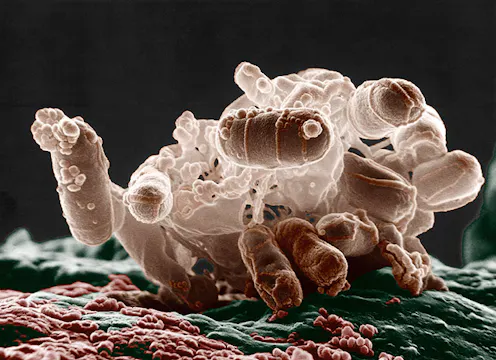
La vague de froid nous fait craindre d'être contaminé par les microbes. Mais qui sont-ils ? Connaissez vos ennemis les virus, bactéries et parasites pour mieux les combattre.
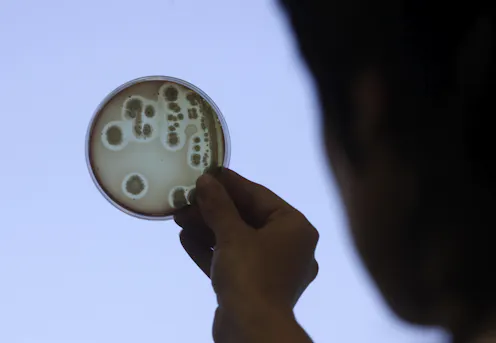
What is the difference between these pathogens, and how dangerous are they?

Along with better strategies to respond to outbreaks in human populations, we need a stronger focus on surveillance in animals to identify infectious diseases before they pose a risk to human health.

If you’ve never heard of coronaviruses before, you may know about some of the illnesses different types of they can cause, like SARS, Middle East Respiratory Syndrome and the common cold.

More than 8,000 people have died from Ebola in West Africa since February 2014 and it has spread beyond the three countries initially affected. So, it’s an epidemic, right? Or is it an outbreak? What about…

Health workers returning to their home countries after working in Ebola-affected areas are being asked to place themselves in quarantine for 21 days. This period is important because it’s the maximum time…
Contact Arinjay for
- General
- Media request
- Speaking request
- Consulting / Advising
- Research collaboration
- Research supervision
- Location: Canada
- Website
- BlueSky: @virology.bsky.social
- X (formerly Twitter): @sci_questions
- Article Feed
- ORCID
- Joined
