
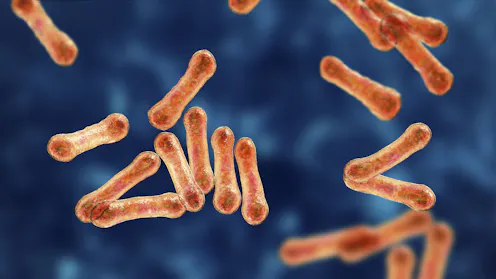
Since January, Australia has recorded more than 220 diphtheria cases. Experts say waning vaccination rates are contributing to this historic outbreak.
- Paediatrician and Infectious Diseases Specialist; Clinical Researcher, University of Sydney
The disease has rarely been seen since the 1950s. Here’s what to look out for, and how it made a comeback.

This debilitating disease is particularly dangerous for babies, but can affect people at any age. Vaccination remains a key line of defence.

When you think about travel vaccines, you might think about ones for typhoid or cholera. But there are others you need to think about too.

Chickenpox parties are a thing of the past but the virus is still circulating. Most illness is mild but some people can become seriously ill.
Meningococcal disease is a rare but life-threatening illness caused by the bacteria Neisseria meningitidis.
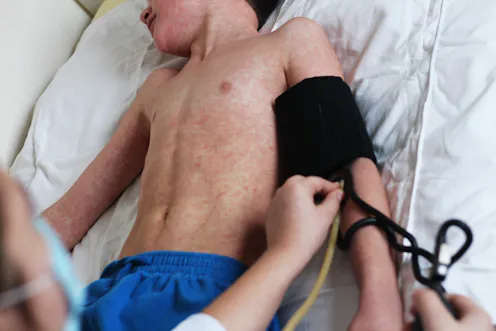
Measles cases are rising in Australia and globally. Two paediatric infectious disease experts answer some key questions.

Measles is on the rise globally. We need to step up vaccination rates.

The RSV vaccine is one of three vaccines covered under the National Immunisation Program for pregnant women.

A series of vaccines offered during high school protect teenagers against certain diseases, and help reduce the spread of these diseases in the community.

Whooping cough is surging in Australia. In 2024, we’ve already recorded more than six times the cases we saw in all of 2023.

At the moment, a child’s access to certain shots can differ depending on whether they live in Queensland or Tasmania.

Evidence suggests kids under 12 aren’t major drivers of COVID spread. Avoiding them isn’t necessary.

The rise of the Delta variant does seem to be associated with more COVID transmission in schools than what we’ve seen previously. But kids are much less likely to become severely unwell.
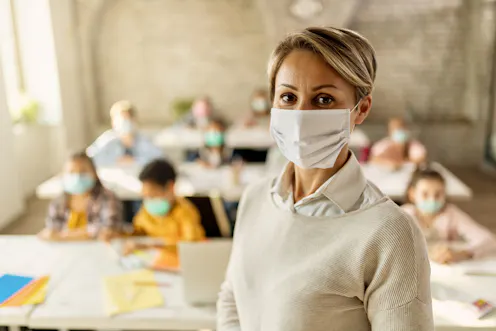
It’s an absolute priority we find and use ways to support kids to continue face-to-face learning in times of low community transmission, especially primary schools.
We need a layered strategy — depending on the amount of community transmission – to ensure the response isn’t the same every time with each snap lockdown: to close schools. Here’s how to do it.
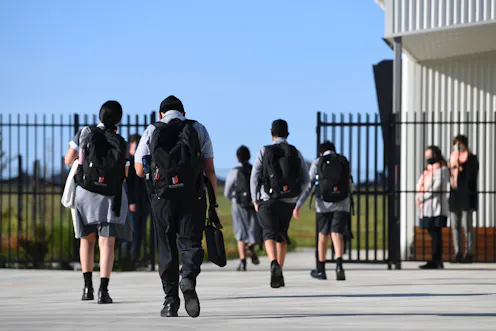
Based on closely following outbreaks in schools and early learning centres across Australia throughout 2020, we have enough evidence to show how students can return to school safely.

The white blood cells act as an army of fighting cells, protecting your body from bad cells known as germs. White blood cells can capture germs and even swallow them.
Contact Archana for
- General
- Media request
- Speaking request
- Consulting / Advising
- Research collaboration
- Research supervision
- Location: Sydney, Australia
- X (formerly Twitter): @drarchanakoira1
- Article Feed
- Joined
