

As social media platforms make it easier for millions of people near and far to witness public violence, the harmful effects have far greater reach.
- Professor of Psychiatry, Wayne State University
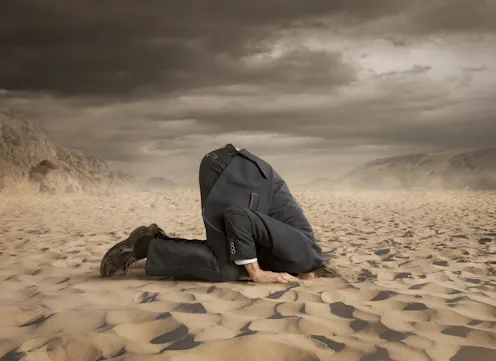
Political polarization and people not being exposed to other perspectives online are two major factors that contribute to Americans feeling exhausted with politics.

The human tendency to form group affiliations and vilify outsiders can help ramp up your anxiety during a contentious election cycle. But you can push back on those fears.

Post-traumatic stress disorder can’t be diagnosed over social media.

Un psychiatre explique les nombreuses façons dont l’anxiété peut entraver, colorer ou contraindre la créativité.

Red flag laws are an important step in the right direction, but much more work is needed to determine the role of mental health in the lead-up to and aftermath of mass shootings.
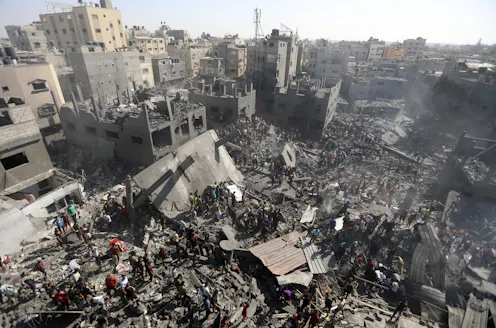
People, including children and adolescents, are being exposed to horrifying imagery in the news and on social media. But there are ways to stay informed without overconsuming harmful content.

A psychiatrist explains the many ways anxiety can hinder, color or compel creativity.

Aunque emociones como el miedo y la ansiedad se originan en el cerebro, al final recorren el cuerpo y hacen que el corazón se acelere y el estómago se retuerza.

Although emotions like fear and anxiety originate in your brain, they ultimately travel through your body and make your heart race and your stomach twist.
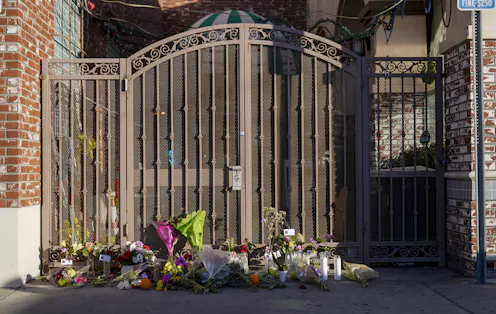
Even people who are only indirectly exposed to these repeat tragedies, such as first responders and those affected by media coverage, can experience profound and long-lasting grief.

Researchers suggest it is important to build daily habits that support mental well-being and seek care when necessary.

People who are directly affected by mass shootings may develop PTSD and depression. But those who are indirectly exposed to these tragedies can also experience profound and long-lasting grief.

Images of war, violence, suffering and death can have a traumatic impact on those who view them.

By creating both an urgent need for mental health care and the need to prevent the spread of COVID-19, the pandemic is enabling telemedicine to go mainstream.
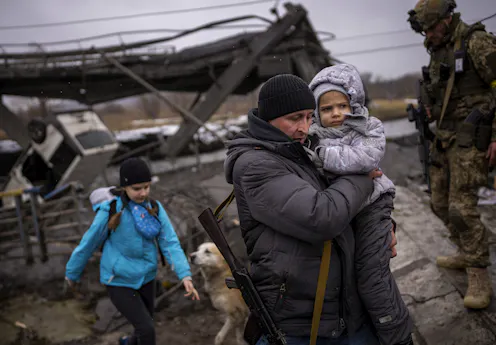
Ukrainian children, refugees and military personnel will be among those hardest hit with PTSD due to the Russian invasion.

Si l’on parle beaucoup de résilience aujourd’hui, la recherche montre aussi que les traumatismes subis dans l’enfance ont un impact à long terme et modèlent notre vision du monde en tant qu’adultes.

Firefighters are hailed as heroes and pillars of strength, bravery and courage. But the daily stressors and traumas of their jobs take a heavy emotional toll that largely goes unnoticed by the public.

There’s buzz about MDMA – yes, the same ingredient in the street drug known as Ecstasy – being a game changer in the treatment of PTSD. A psychiatrist who treats PTSD says, “Not so fast.”
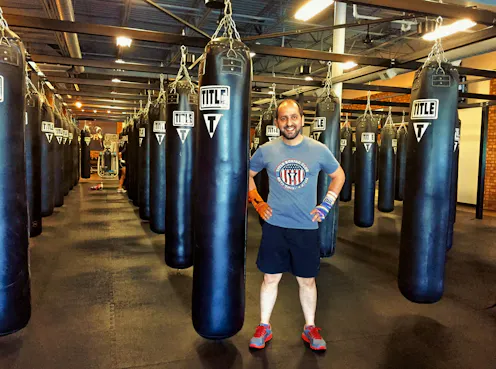
Amélioration des capacités musculosquelettiques, cardiovasculaires, métaboliques… L’activité physique ressemble vraiment à un médicament miracle. Et notre cerveau en bénéficie lui aussi.

Mass shootings terrorize witnesses in ways that people watching from afar can only imagine. And yet, society at large is also affected, a trauma psychiatrist writes.
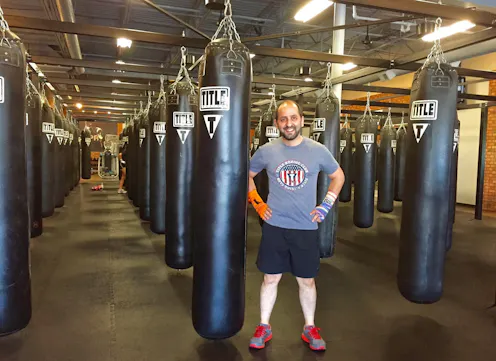
Many doctors believe that exercise is the closest thing to a miracle drug that modern medicine has in its arsenal. But have you ever wondered why that is so? Your brain actually benefits, too.
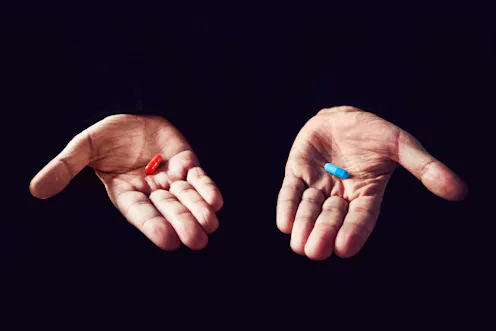
Remember what life was like before social media took over? Now that the election is over, it might be a good time to take back our lives.

Police officers face dangerous situations every day, and many suffer trauma as a result.

Setting off fireworks may be fun for you, but for some of your neighbors it could be a traumatic experience.
Contact Arash for
- General
- Media request
- Speaking request
- Consulting / Advising
- Research collaboration
- Research supervision
- Location: Detroit, Michigan, U.S.
- Website
- LinkedIn: https://www.linkedin.com/in/arash-javanbakht-93347643/
- X (formerly Twitter): @arjavanbakht
- Article Feed
- ORCID
- Joined
