
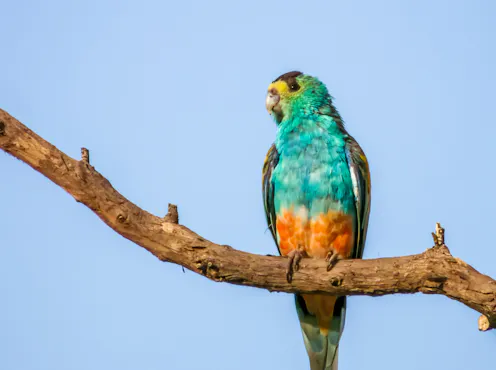
This new research estimates the price and benefits of recovering threatened species – and offers cost-effective ways for environment groups, farmers, governments and others to make a difference.
- Lecturer in Conservation, The University of Queensland
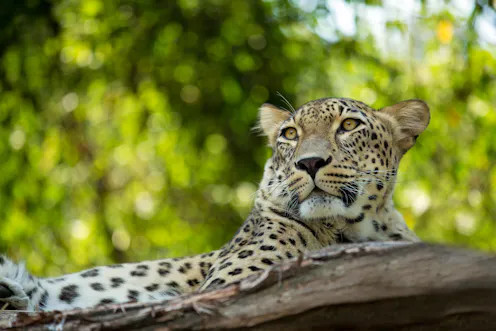
Most of Iran is wild and beautiful, but development threatens to degrade highly-prized ecosystems. Now new research is honing in on the hotspots, to preserve biodiversity in expanded protected areas.
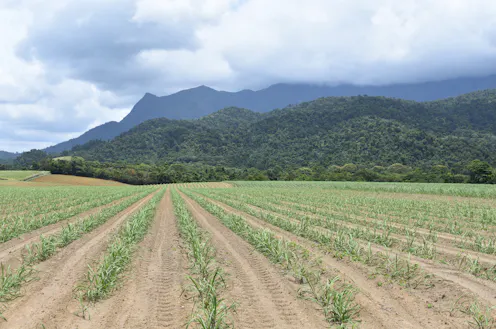
Threatened species don’t just live in national parks. Almost half of their distributions are on private land.
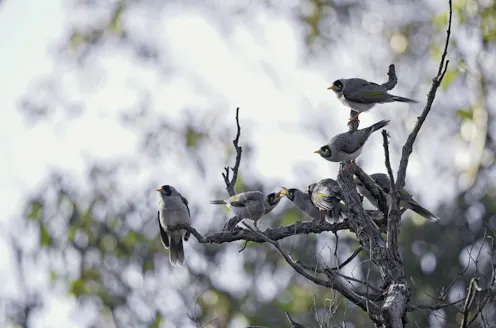
Populations of noisy miners have boomed since colonisation, and today they’re a huge threat to other native birds. 45 attempts to cull them in 30 years have left us with more questions than answers.
As ecologists, we’ve seen first-hand how Australia’s nature laws have permitted environmental degradation and destruction to the point of extinction.
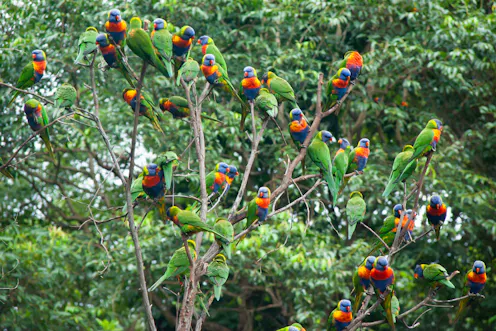
In April, BirdLife Australia survey numbers jumped to 2,242. That’s a tenfold increase from 241 in April last year.
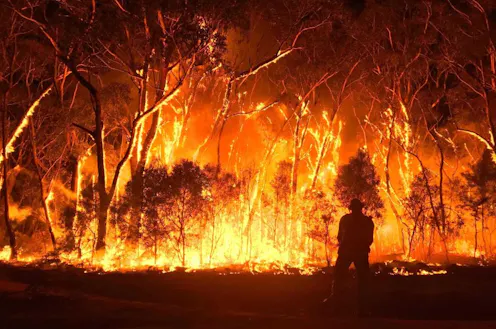
Approximately 70 nationally threatened species have had at least 50% of their range burnt, while nearly 160 threatened species have had more than 20% burnt.
A staggering 7.7 million hectares of critical habitat has been destroyed since environment laws were enacted - and 93% was not referred to the federal government for assessment.
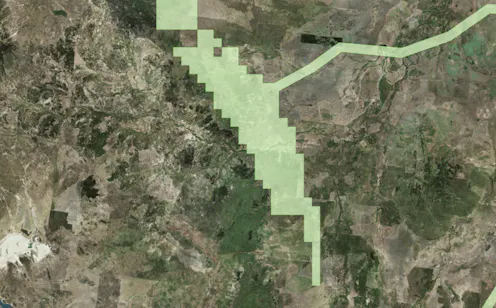
Everything you need to know – where it is, the environmental impact, Indigenous land rights issues and actual profitability – of the Adani Carmichael coal mine in one simple interactive.
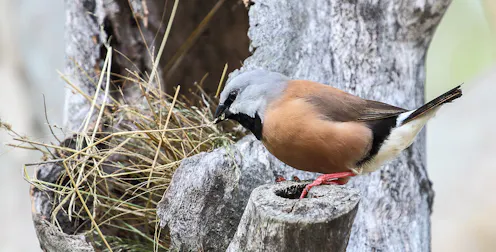
A small finch has stalled the multi-million-dollar Carmichael mine.

A new petition is urging state and federal governments to rein in Australia’s rampant land clearing, which worsens the risk of bushfires and threatens to undo the work of the Emissions Reduction Fund.
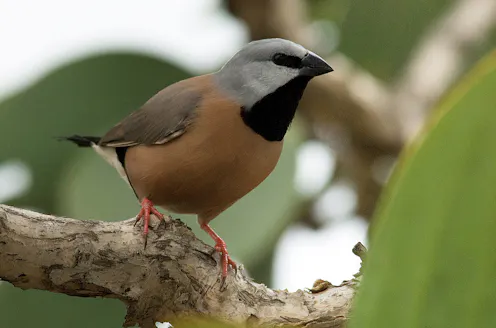
Just one out of a possible 775 development approvals was refused on the basis that it would harm the southern black-throated finch, despite this endangered species being protected by federal law.
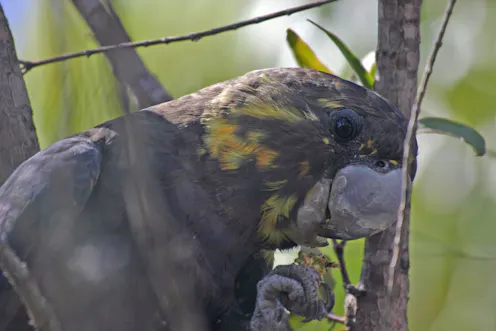
New research has shown how to measure conservation progress for Australia’s 238 endangered bird species
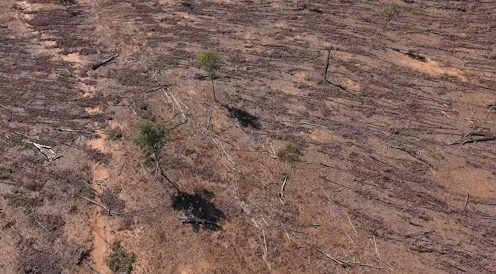
Queensland’s new draft land-clearing laws aim to put the brakes on years of environmental destruction. But the bill contains several loopholes that are likely to stymie progress.
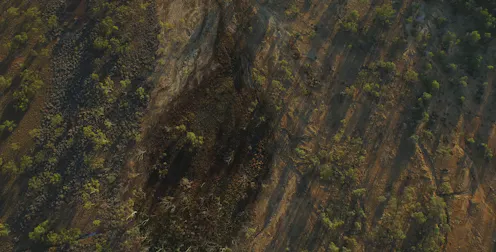
Here’s what it means for Queensland, Australia and the world if the mine goes ahead.
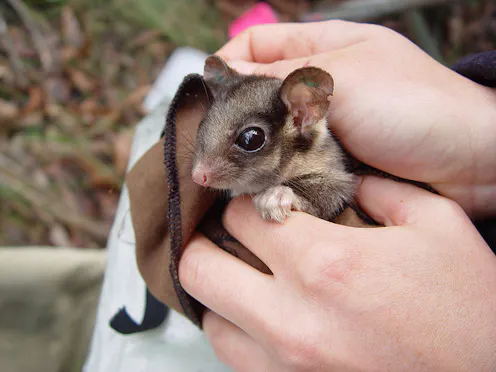
Just a handful of federal members of parliament represent hundreds of Australia’s threatened species.
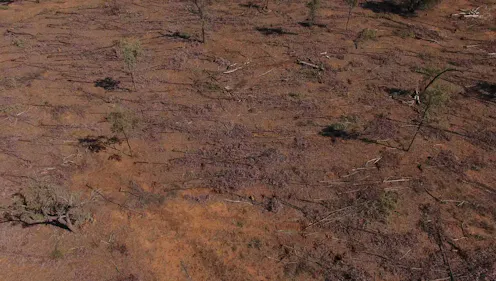
Legal vegetation ‘thinning’ is contributing to high rates of land clearing, potentially causing problems for threatened species and ecosystems.
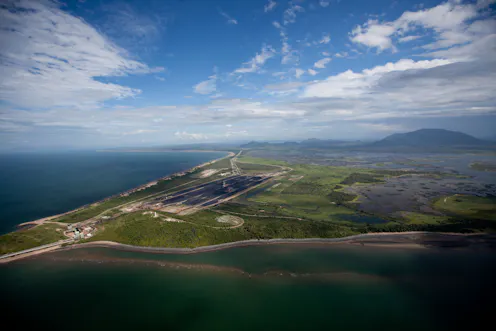
Queensland’s planned new coal mine could impact the climate, the Great Barrier Reef, water, and local species. Yet still it has been declared as ‘critical infrastructure’ by the state government.
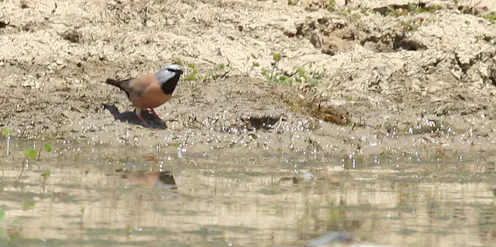
More than half of the remaining habitat for Queensland’s southern black-throated finches is potentially subject to mining development. If these mines go ahead, it will be bad news for these birds.
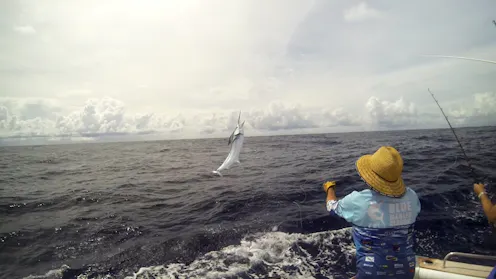
Climate change is driving the iconic black marlin further south, with a possible impact on ecosystems and the fishing industry.
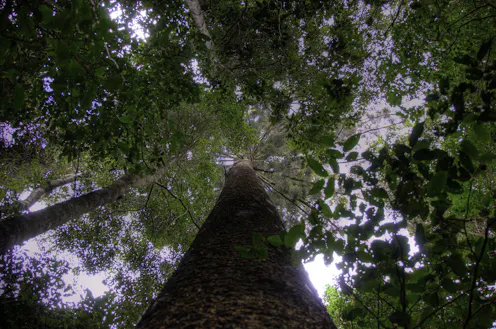
It’s rare for research to have an immediate impact on policy, but lessons learnt from a successful venture in Queensland can show how it can be done.
Contact April for
- General
- Media request
- Speaking request
- Consulting / Advising
- Research collaboration
- Research supervision
- Location: Brisbane, Australia
- Website
- X (formerly Twitter): @april_reside
- Article Feed
- ORCID
- Joined
