

With children over-represented on the NDIS, it’s hoped this new program could divert pressure from the scheme. Here’s what we know about it so far.
- Professor, University of Sydney
- Adjunct Professor, RMIT University, RMIT University

As the government seeks to moderate growth of the scheme budget, some NDIS participants are finding they are no longer eligible for the scheme.

Factors like age, gender and where you live can make it more likely an applicant will be rejected.

Get ready for an alarming future, where truth and science no longer matter.
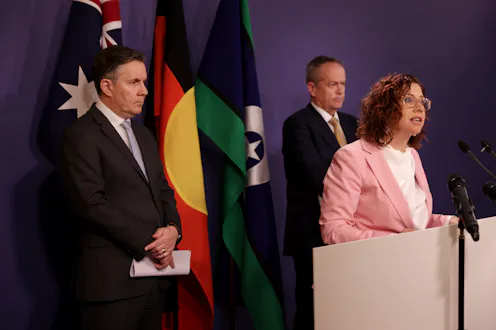
The federal government has only fully accepted 13 recommendations of 172 for which it has primary or shared responsibility with the states.

5 disability experts tell us their initial thoughts about plans to reform the NDIS and make it sustainable
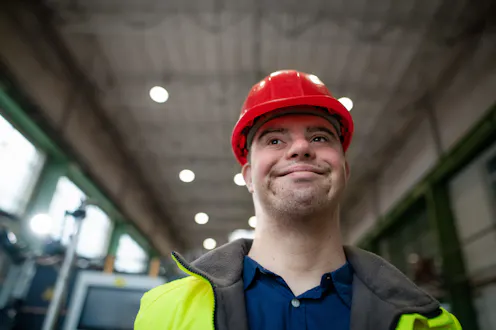
Research shows nearly 20% of the poorer mental health reported by young adults with disability could be alleviated by helping those who want to work into jobs.

People with disability have a worrying sense of deja vu about the current NDIS cost concerns.
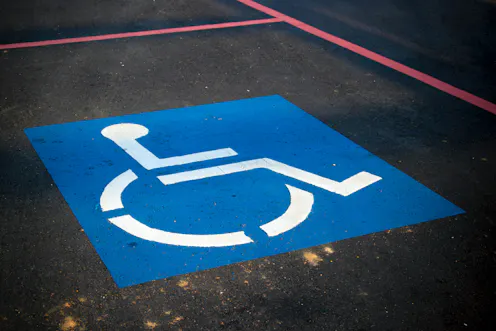
Many people with disability – who are at increased risk of illness and death from COVID – continue to isolate at home to avoid infection and are effectively shut out of society.
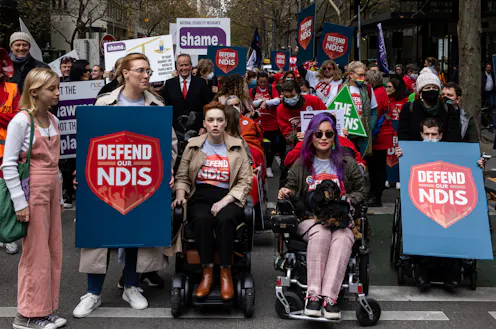
The short-term NDIS priorities for the new government are to rebuild trust and restore it to its original intention.

Reports of cuts to NDIS packages have been confirmed with an average drop of 4% across participants.

While public health measures in schools and hospitals aim to reduce COVID transmission, people with disability who have support workers in their homes have largely been forgotten.

Vaccines alone aren’t enough to protect against the highly contagious Delta variant.
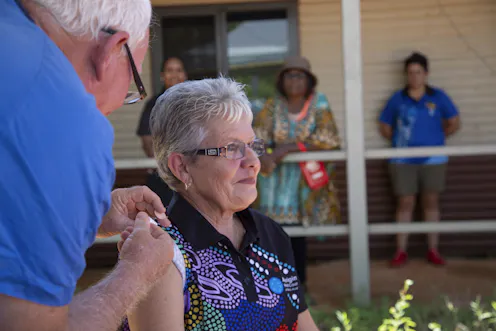
It’s simply not “safe” for many Australians to come out of Scott Morrison’s proverbial cave until vaccination rates increase.

The proposed NDIS independent assessments have been controversial. And data from a pilot doesn’t really tell us whether they’d deliver positive outcomes for Australians with disability.
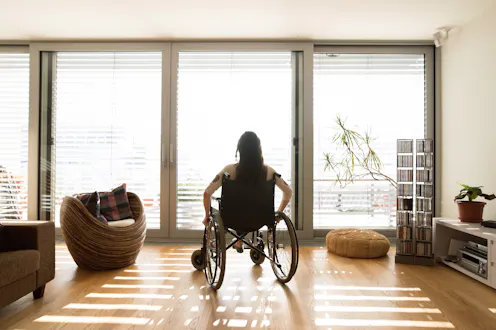
During the height of the pandemic, people with disability felt they had been forgotten and were not a priority. In the vaccine rollout, the government is repeating its past mistakes.
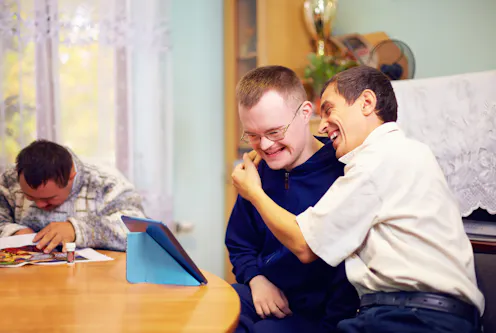
Residential disability care faces many of the same challenges as aged care. Paying close attention to these could help us avert a COVID-19 crisis in Victoria’s disability accommodation.

The government has made several announcements to safeguard aged care residents and those in hospitals, but we’re yet to see the same attention paid to the one in five Australians with a disability.

New research shows the effect of bullying on disabled teenagers and suggests what schools can do to help.

Instead of trying to help people with disability overcome their limitations, we should be harnessing their strengths in the workplace. This will improve their health and mental well-being.
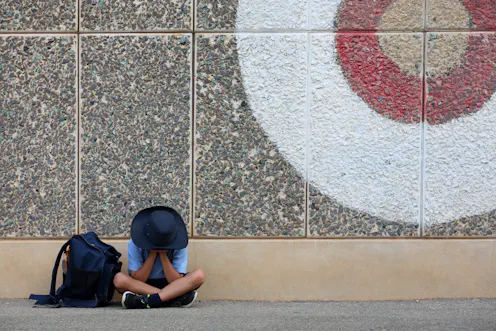
When it comes to bullying, there is a common misconception that children neatly fall into a category of bully, victim, or not involved. This is not the case.

The long term financial consequences of the pay gap are clear; but could there also been impacts on health?

Australian government proposals to ban so-called “double dipping” with paid parental leave (PPL) risks scaling back health benefits for women who take time off to care for their babies.
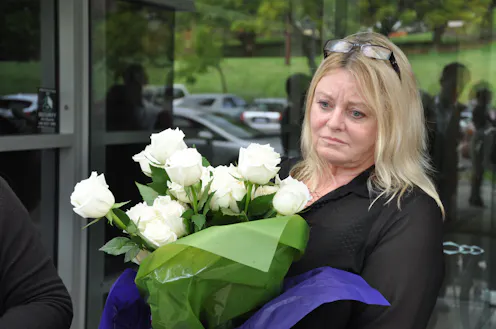
Accountability for the violence and abuse that people with disability experience begins with recording the offences. In fact, we have long ignored crimes against vulnerable members of our community.
Contact Anne for
- General
- Media request
- Speaking request
- Consulting / Advising
- Research collaboration
- Research supervision
- Location: Australia
- Website
- LinkedIn: linkedin.com/in/anne-kavanagh-a41b9873
- Article Feed
- ORCID
- Joined

