

Job-ready Graduates created cheaper postgraduate education – especially for nursing students – but this may not last.
- Professor of Higher Education Policy, Monash University
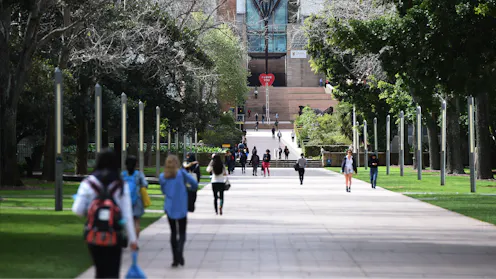
Federal Education Minister Jason Clare has introduced a bill under which universities face new caps on their domestic student numbers.
Only the federal government can fix the problems created by the Job-ready Graduates scheme. Ahead of the budget on May 12, it shows no interest in doing that.
Something major has happened to student demand in recent years. But how much of this is due to the fees students are paying?

After two years of trying to reduce international student numbers, the Albanese government will soften its approach in 2026.
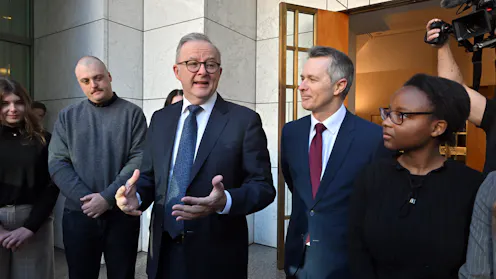
The debt changes will deliver major benefits to recent graduates, but much less to current students and nothing to future students.

If you’re among the 3 million Australians with a HECS-HELP debt, it’s about to be cut by 20%, with no repayments until you earn $67,000. But there is one downside.
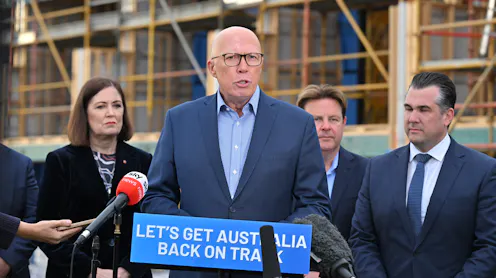
The Coalition estimates its policy would see 30,000 fewer new international students per year than Labor’s policy. It would also hike visa fees to $5,000 for some unis.
In a surprise move, the Coalition has confirmed it plans to oppose the federal government’s bill to cap the number of foreign students in Australia.
Australians with student debt would undoubtedly benefit from the proposed changes. But they come with a hefty price tag and some disadvantages.
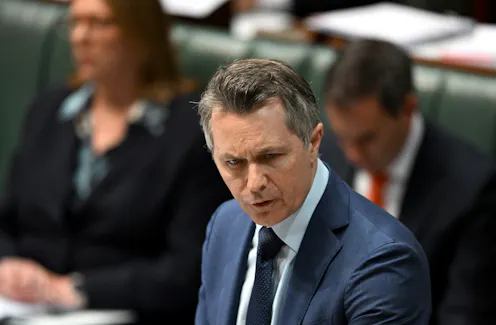
This bill signals the demise of student choice and university autonomy. As drafted, it gives the minister extraordinary powers to set international student numbers.
Embora os limites obriguem algumas universidades a rejeitar alunos que, de outra forma, seriam matriculados, outras universidades talvez não consigam usar totalmente sua cota de alunos internacionais
While caps will force some universities to reject students they would otherwise have enrolled, other universities may not be able to fully use their international student quota.
A new report argues a huge number of recent migration policy changes are already reducing international student numbers.

Education Minister Jason Clare has released more details on how the federal government wants to make changes to university funding and student places.
The federal government has announced plans to change the way debts are indexed. But it may not help students over the long term.

The indexation of student debt is arguably the federal government’s biggest political problem when it comes to universities.

University enrolments, research output and revenue tripled or more in the three decades to 2019. This growth brought benefits as well as problems.

On Wednesday, Education Minister Jason Clare released a much-anticipated report on universities.
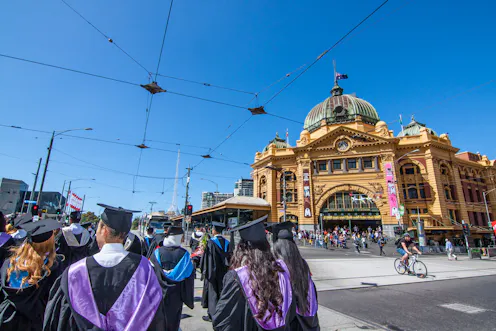
A multi-rate student contribution system could make average student debt repayment times similar across different courses.

A new student contribution system is likely to be part of Labor’s promised Universities Accord.
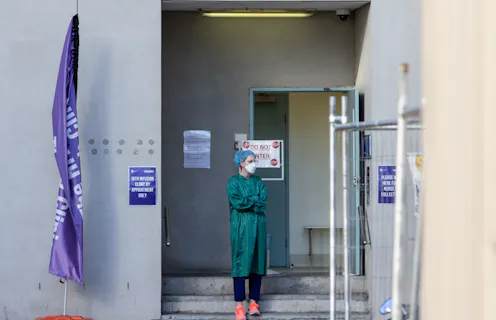
Upfront cash payments would be more helpful to students than cheaper course fees - as this makes cost-of-living easier while studying.
Huge disparities in how much students pay for courses mean graduates of high-fee disciplines will take longer to repay their debts or might never do so. That will ultimately add to government debt.

While the official figures are lower than earlier estimates of job losses, they also show certain types of employees – casual, non-academic and younger staff – bore the brunt of the staff cuts.
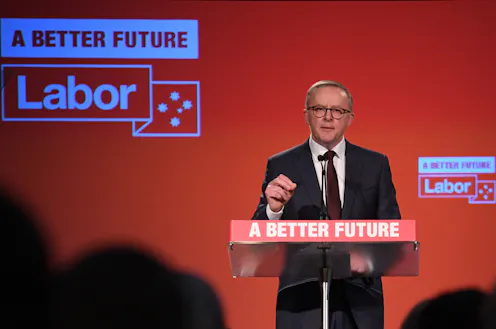
At the last election, Labor and the Coalition offered very different policies on university funding. Not so this time round, but the current flawed funding system could be improved further.
Contact Andrew for
- General
- Media request
- Speaking request
- Location: Melbourne, Australia
- Website
- BlueSky: @andrewjnorton.bsky.social
- X (formerly Twitter): @andrewjnorton
- Article Feed
- ORCID
- Joined
