
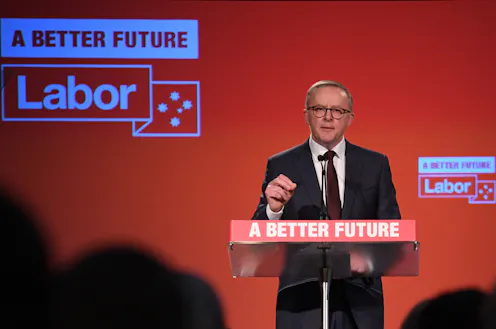
At the last election, Labor and the Coalition offered very different policies on university funding. Not so this time round, but the current flawed funding system could be improved further.
- Professor of Higher Education Policy, Monash University

Most of the universities whose graduates earn more after nine years in the workforce are in NSW and ACT. That suggests it’s more about where the best-paid jobs are than the universities themselves.

Tuesday’s budget shows a reversion back to the previous policy of keeping total higher education funding broadly stable.
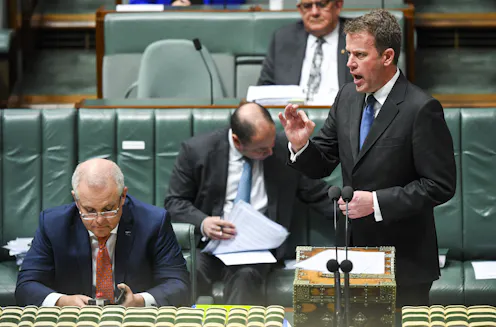
Three key policy errors in the legislation mean the Morrison government is unlikely to achieve the stated goals of its package.

Although the government has identified a real problem, its heavy-handed regulation would create unnecessary red tape for universities and exclude students who should get a second chance.

Travel bans, a recession and the government’s university reform package will leave an estimated $4.7 billion gap in research funding that needs filling to maintain our current output.
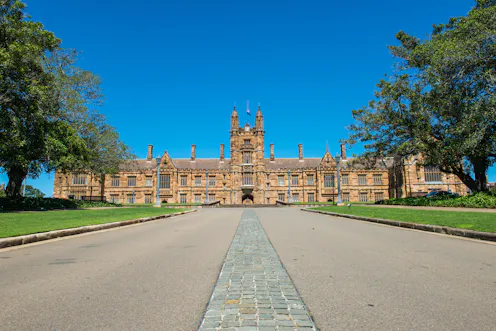
The government’s new funding package for universities is a good first step. But its plan for low-cost online courses is problematic.

In 2018, domestic numbers for undergraduate courses fell for the first time since 2013 – they will remain stagnant for some years. This and other factors put unis at face financial risk.

Students with lower ATARs generally have lower lifetime earnings. But a Grattan Institute report found low ATAR men could earn more doing a VET course than a bachelor degree in their chosen field.

University enrolments surged from 2012-2017 due to demand-driven funding. But they were would have risen anyway, perhaps just not as quickly.

International and domestic students have similar pass rates at the undergraduate level, but this shouldn’t be our only concern.

Labor’s main election promise for higher education is to restore the demand-driven system of funding, also known as scrapping the “cap” on government funding. Here’s why that would be a good policy.

At least in the short term, employment opportunities for graduates seem to be increasing.

If Labor is to once again uncap university funding, vocational education reform is a vital.

Education policy experts run through the major changes for education in Budget 2018 for schools, VET and higher education.

Universities now have the incentive and flexibility to respond to student interests, and we shouldn’t distract them with policy changes that could make things worse.

Students currently pay higher fees for courses that lead to jobs with typically higher wages. But not all students find, or want, a job in their area of study. Should all students then pay the same amount for their university degree?

At best, there will be no new public money, just shuffling funds between programs. At worst, higher education will help reduce the budget deficit.
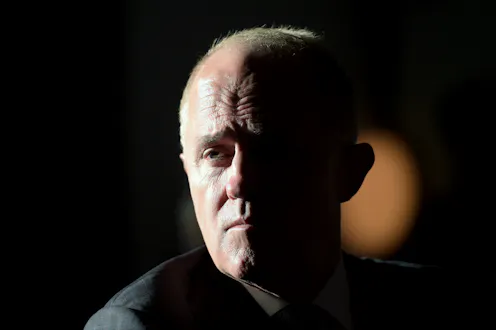
What are the key policy challenges facing the new Turnbull government in terms of economic growth and budgets, cities, transport, energy, school education, higher education and health?

The threshold for paying back student loans will vary depending on which party wins the election.

The ATAR system is cheap and efficient, but it means students are selected to go to university on the basis of a single score which some have claimed is too simplisitc. Is it time for a new system?
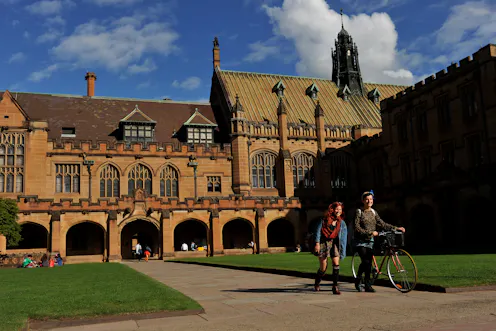
Is Universities Australia right to say that new data shows that the growth in new university enrolments has flat-lined?

A lack of government guidance on how student tuition fees should be used by universities is resulting in money for teaching being spent on research instead.
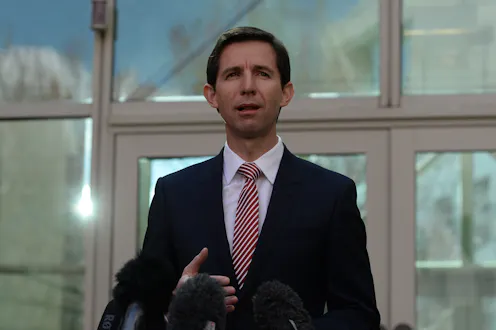
New Education Minister Simon Birmingham says the Turnbull government will abandon plans to deregulate university fees in time for 2016.

International students are more attracted to universities that charge more, so would price equal quality in the eyes of Aussie students if fees were uncapped?
Contact Andrew for
- General
- Media request
- Speaking request
- Location: Melbourne, Australia
- Website
- BlueSky: @andrewjnorton.bsky.social
- X (formerly Twitter): @andrewjnorton
- Article Feed
- ORCID
- Joined
