

Les boîtes quantiques, ou « quantum dots », sont une nanotechnologie dont les applications sont déjà répandues, dans les téléviseurs par exemple.
- Professor of Advanced Technology Transitions, Arizona State University

Quantum dots are a prime example of the way nanotechnology engineers materials at an atomic scale.
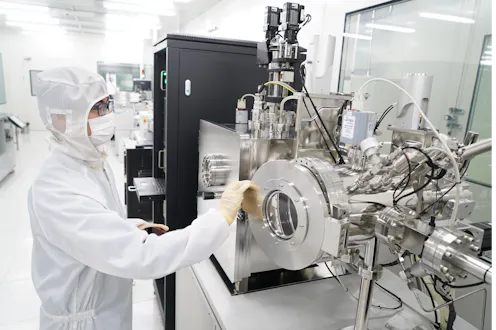
Two decades ago, the nanotechnology revolution avoided stumbling by bringing a wide range of people to the table to chart its development. The window is closing fast on AI following suit.

Despite the association of ‘Luddite’ with a naïve rejection of technology, the term and its origins are far richer and more complex than you might think.

As genetic engineering and DNA manipulation tools like CRISPR continue to advance, the distinction between what science ‘could’ and ‘should’ do becomes murkier.

If you see the Tesla Bot as a joke or a harbinger of a dystopian future, you could be missing the real threat, which has more to do with Elon Musk’s power than robots run amok.

As fictional inventors make terrible choices on the big screen, real-world tech innovators can learn from their example how not to make the same kinds of ethical mistakes.
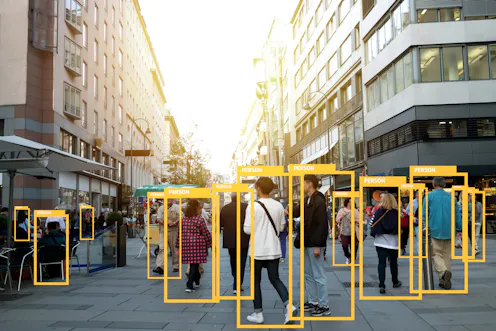
Google controls what billions of people find, see, know or even are aware of. As it gets better at delivering what it thinks people want, how will that affect humans’ perceptions of their own needs?

Cultured meat comes from cells in a lab, not muscles in an animal. While regulatory and technological aspects are being worked out, less is known about whether people are up for eating this stuff.
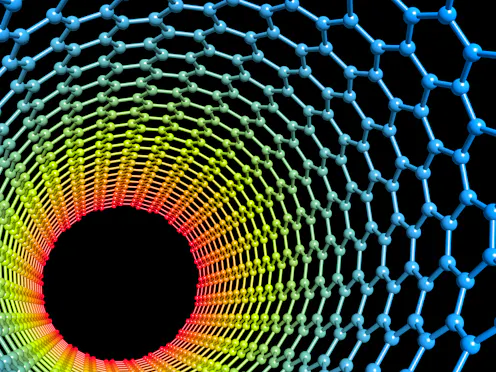
Last week, Elon Musk ‘called BS’ on nanotechnology. And it threw up an important question: just what is nanotech, and is it more hype than science?

Companies developing autonomous vehicles are missing out on the local knowledge and values of the people who live where these cars are tested. And that lack of engagement sets up bigger problems.

Less-toxic hair dye would be a great invention. But discounting the risks that come with nanoparticles could undermine other efforts to protect human health and environmental from their effects.

A disaster fantasy raises questions about tinkering with Earth’s climate. With real-life scientists exploring geoengineering, what conversations should we be having now around these technologies?

Musk’s audacious plan to blast people to Mars by 2024 glosses over some important social and political challenges that SpaceX will need to successfully navigate to get off the ground.

A new report from the Environmental Defense Fund raises concerns about lead in our food supply. Here are some things you should consider.

Now that we’re in a post-truth world, a timely report from the National Academies of Sciences, Engineering and Medicine highlights evidence for what works and what doesn’t when talking about science.

Improved autonomous vehicle technology could reduce the tens of thousands of annual U.S. deaths due to human error behind the wheel. Are driverless cars the next big public health intervention?
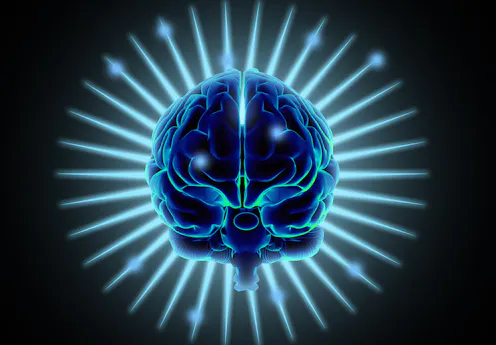
How will neurotech evolve? An NAS workshop this week focuses on social and ethical opportunities and challenges we face both now and down the road.
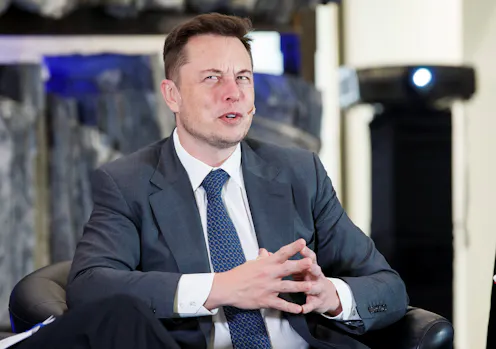
The technological goals are lofty. But fitting the new tech into the social and political landscape might pose the bigger challenge.

A list of 10 new technologies poised to transform our lives provides a chance to think about any related risks sooner than later. Reconceptualizing “value” changes what responsible development means.

Just about anyone can get a tiny, cheap satellite into orbit these days. As we consider how to deploy them responsibly, inspiration comes from an amateur community of enthusiasts.

Microscopic needle-like particles don’t seem like something you’d want to feed a baby. Whether safe or not, the way we deal with nanoscale food additives leaves plenty of other questions.
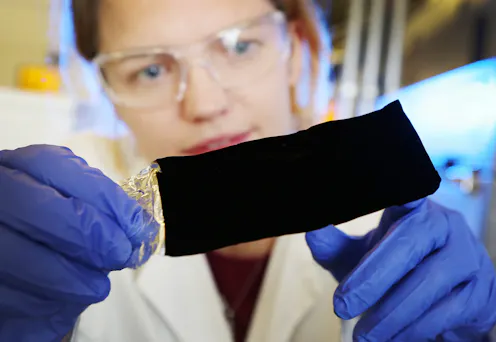
Two very similar new carbon nanotube products, released eight years apart, provoked very different reactions. What’s changed about the way we consider nanotechnology risks and benefits?

Contributing to the public good should be a top priority for public and land grant universities. Here, some ideas on how to match what institutions value with academics’ own drive for service.
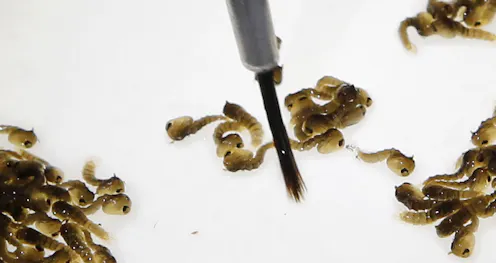
Insecticides and mosquito nets only get you so far. Synthetic biologists are ready to take the battle against mosquito-borne disease to the level of DNA – which might spell the insects’ ultimate doom.
Contact Andrew for
- General
- Media request
- Speaking request
- Consulting / Advising
- Research collaboration
- Research supervision
- Location: Tempe, Arizona, U.S.
- Website
- X (formerly Twitter): @2020science
- Article Feed
- ORCID
- Joined
