

A new model of citizen-led science is emerging – as in the case of Flint, Michigan’s poisoned water. Rather than simply supporting scientists, citizens ask their own questions and set the research agenda.
- Professor of Advanced Technology Transitions, Arizona State University

After steam, electricity and computers come cyber-physical systems: the fourth industrial revolution. A new book by the World Economic Forum’s founder foresees a rosy future – but that’ll take work.
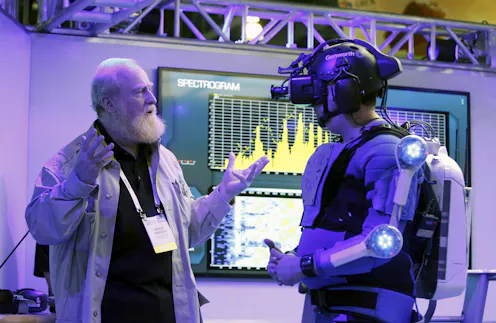
Taking a page from the innovators’ handbook could provide a different and better way to think about the risks that come along with – and sometimes stem from – new technologies.
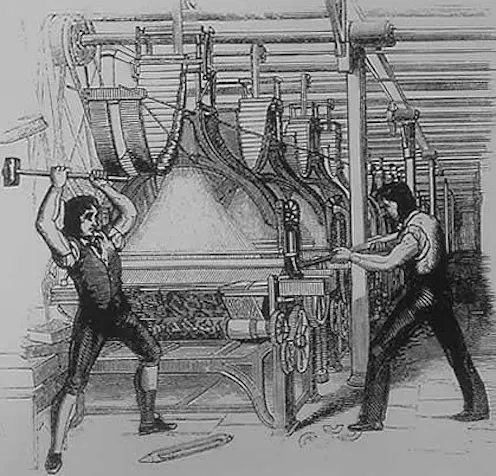
We’ve missed plenty of early warnings about past scientific breakthroughs. Is it neo-Luddite to proceed with caution as an innovator?

Assuming your new ride doesn’t burst into flames, should you worry about other health impacts of hoverboarding about?

New FAA guidelines call for consumers to register drones over a certain weight. As more and more drones take to the skies, we’ll see how amateur use influences the development of UAS technologies.
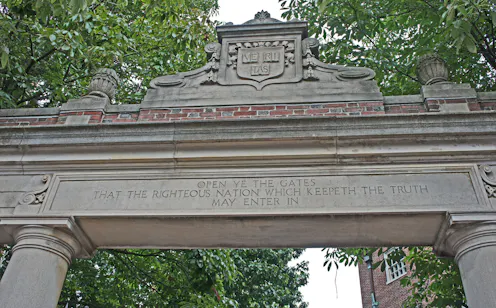
Universities may be facing a crisis of relevance but a growing number of academics are tackling this issue head on.

The company is bowing to pressure to take the food whitener titanium dioxide out of its powdered sugar.

The World Economic Forum’s new list of the Top Ten emerging technologies reminds us that the promise of innovation comes with responsibilities.

In January, the New York Times highlighted how insecticide treated nets meant to protect people from mosquitoes and malaria are now being used to haul fish in Africa. Among those using these nets to catch…

Earlier this week, The Conversation reported that, “The future is bright, the future is … quantum dot televisions.” And judging by the buzz coming from this week’s annual Consumer Electronics Show (CES…

Purchase a plastic water bottle, and there’s a good chance that it will feature a “BPA-free” label. You might be seeing it more often because the industrial chemical Bisphenol-A has now been removed from…

Recently the American publication Mother Jones published an article on the dangers of food laced with tiny metal oxide particles. The article, however, is laced with errors and misinformation. The source…
Contact Andrew for
- General
- Media request
- Speaking request
- Consulting / Advising
- Research collaboration
- Research supervision
- Location: Tempe, Arizona, U.S.
- Website
- X (formerly Twitter): @2020science
- Article Feed
- ORCID
-
- Joined
