

Four experts explain how we can protect the rare – and increasingly at risk – spidery wattle.
- Director, Environment Institute, Adelaide University
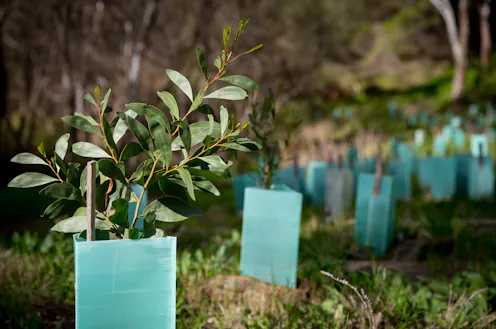
As Australia prepares to host the first Global Nature Positive Summit this week, let’s take a closer look at what ‘nature positive’ really means.
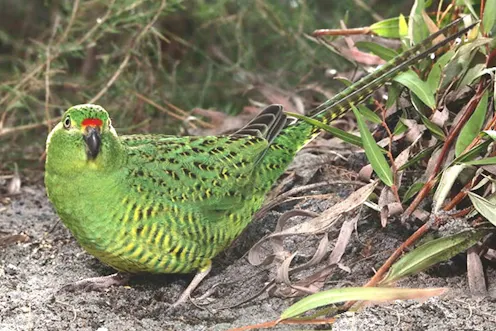
With the right approach to data security, scientists’ discoveries of the locations of rare and sought-after species needn’t leave a trail for poachers to follow.
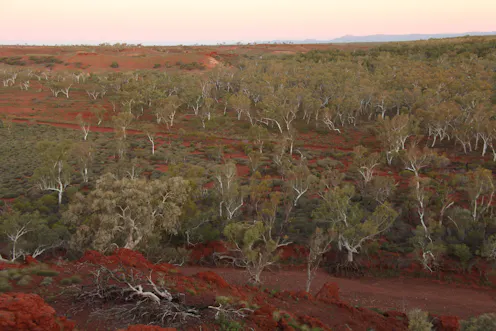
A new survey has identified millions of hectares of forest in dryland areas, a finding that boosts the total global forest cover by 9% and has significant consequences for carbon budgets.

Plant species are reacting to climate change by adapting or migrating to better conditions. But this is not an option for gardens, so gardeners will have to be smarter about what they plant and where.
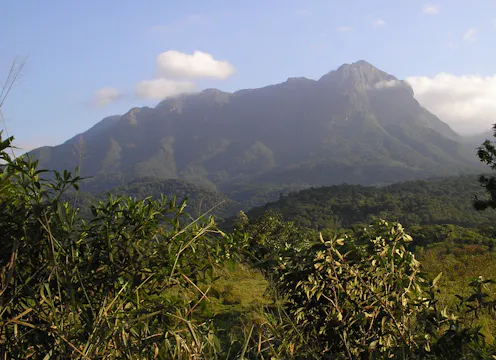
Across the world, an area bigger than Russia is officially classed as “degraded land”. We’ll never restore its wildlife to what it was – but there are pragmatic steps we can take to improve things.

The National Collaborative Research Infrastructure Strategy funds 27 individual facilities that provide a wide range of services to Australian scientists.
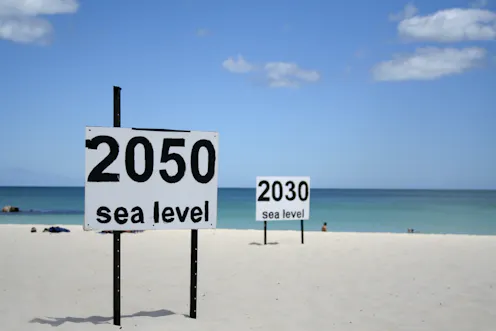
Society generally has a clear idea of what constitutes a crime, and those in positions of power are usually held to very high standards. Politicians charged with making decisions on the needs of society…
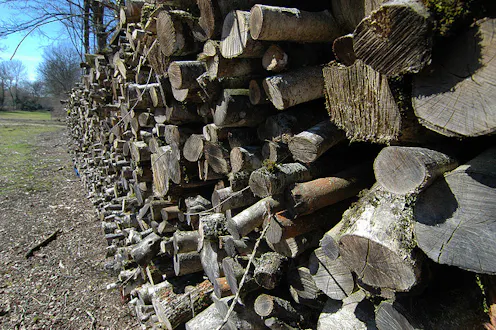
Illegal logging is a major contributor to tropical deforestation and forest degradation. Australia is currently considering legislation to prevent the importation of illegally logged wood. But if the legislation…
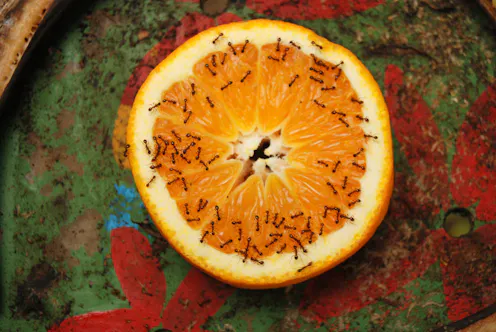
You’d be hard pressed to find many people who hold ants in high regard. That might be due to their destructive behaviour towards lawns, their ability to infest your house in no time at all, or a willingness…
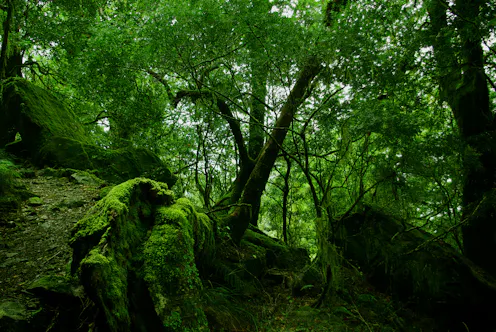
If an entire forest falls and its occupants approach extinction, does anybody hear it? Since for the vast majority of species, the answer is most likely no, we decided to be proactive and recently published…
We’ve written previously on The Conversation about how taxonomy – the science of describing and naming species – can be quite a subjective science. But taxonomists can broadly be split into two camps…
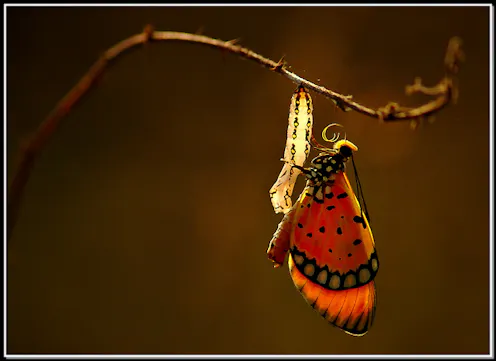
It might surprise you to learn that the idea of a “species” is one of the more ambiguous concepts in science. Originally, “species” (meaning “kind” or “sort” in Latin) was used to refer to organisms that…
- Location: Adelaide, South Australia
- Website
- X (formerly Twitter): @dralowe
- Article Feed
- ORCID
- Joined
