

Renowned wine regions from Australia to South Africa are battling increasingly fierce fire seasons.
- Principal Research Scientist in Extreme Weather, The University of Melbourne
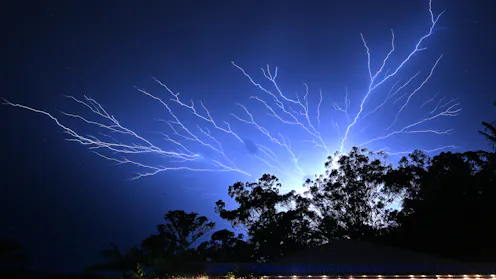
Lightning also influences our environment in ways scientists are only beginning to understand.
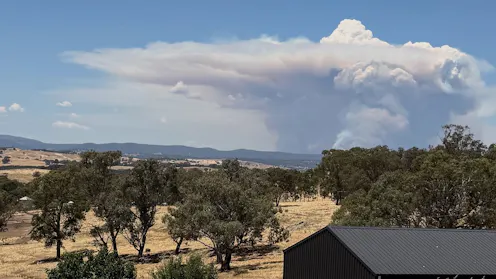
Intense fires can produce storms that make more fire – and they’re becoming more common.

In some areas of NSW, more than 200 mm of rain has fallen in 24 hours. At the same time, dry conditions have gripped much of the continent.
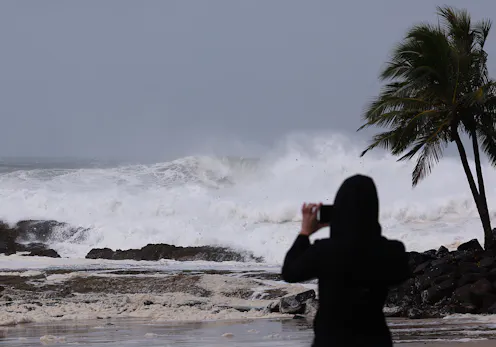
Warmer oceans, more rain and higher seas are likely to heighten Cyclone Alfred’s impact
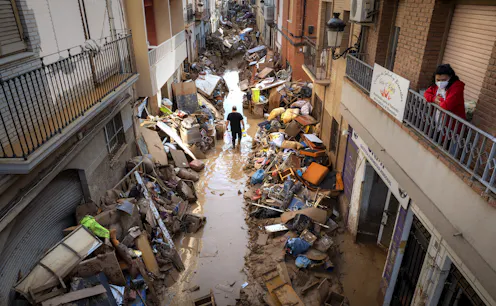
To prepare for more intense floods supercharged by climate change, we have to build infrastructure able to tolerate new extremes
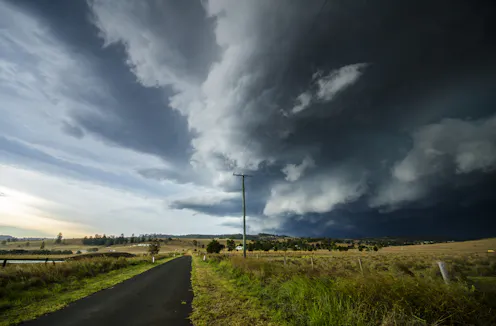
This week, unusually widespread thunderstorms are expected to bring rain, hail and intense winds to swathes of southern Australia. Here’s why – and what threat they can pose.
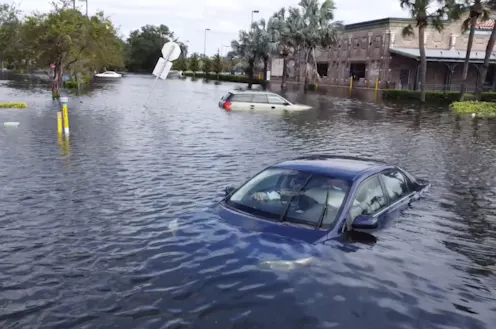
With Hurricanes Helene and Milton reminding us of the destructive force of such storms, the tropical cyclone forecast for Australia is for an average number but with a higher risk of severe cyclones.
Why have we seen so many extreme floods in recent years? Climate change is supercharging thunderstorms, adding moisture and heat.
Extreme winds from thunderstorms have downed transmission towers from Victoria to Western Australia in recent years. What’s going on?

El Niño usually brings hot, dry weather to Australia. But the rains that have drenched eastern Australia are normal too.
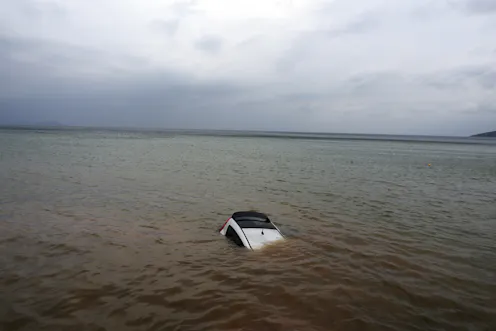
We all know climate change makes extreme weather more likely. But it’s also loading the dice for quick-forming drought, sudden and intense rainfall and fast-forming tropical storms.
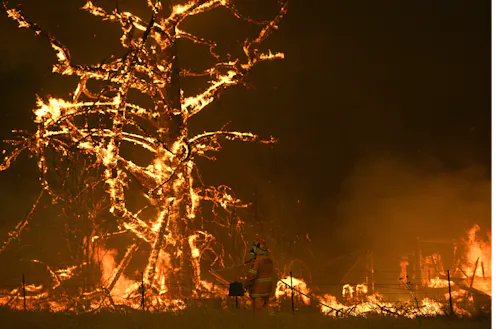
Forest fires in Australia are burning more land across more of the year than ever before, as climate-linked fire weather worsens.
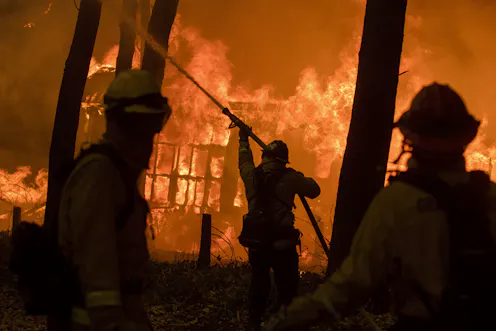
Extreme fire risk will overlap with weather patterns to create fire tornadoes more often under climate change.
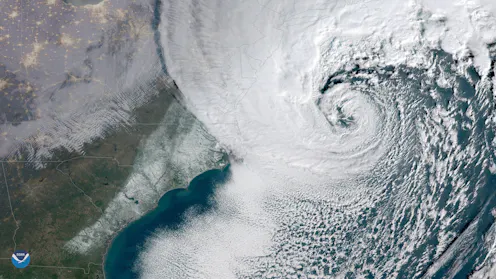
The US was hit by a ‘bomb cyclone’ last week, bringing icy cold and driving snow. These storms develop very rapidly, forming outside the tropics, typically on continental east coasts in winter.
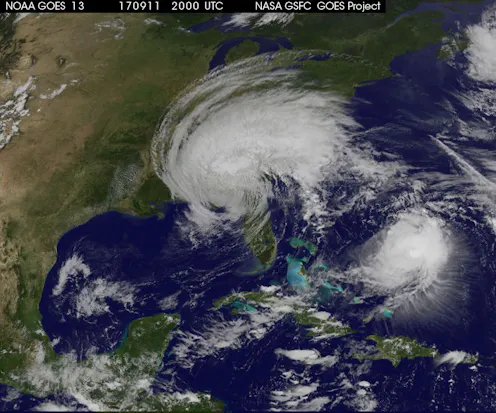
Weather forecasters sounded the alarm for the record-breaking Hurricane Irma with several days’ notice.
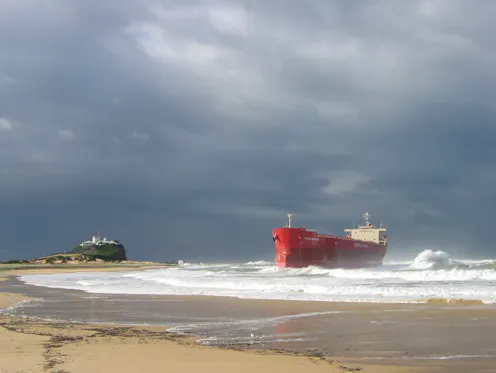
A warmer climate is likely to result in fewer large waves along Australia’s central east coast, according to Bureau of Meteorology research that predicts a decline in the frequency of storms known as East…
Contact Andrew for
- Media request
- Consulting / Advising
- Research collaboration
- Website
- Article Feed
- ORCID
- Joined
