
After pushback, the agency reversed course and agreed to review Moderna’s application after all.
- Professor of Law, Villanova University
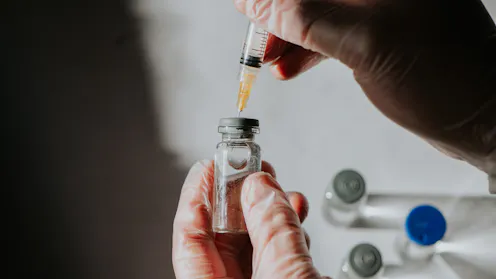
The move signals an escalation in the agency’s efforts to interfere with established procedures for testing and approving vaccines.

The ranking of ‘asthma capitals’ in the US is released each September, the peak time of year for asthma attacks and hospitalizations.
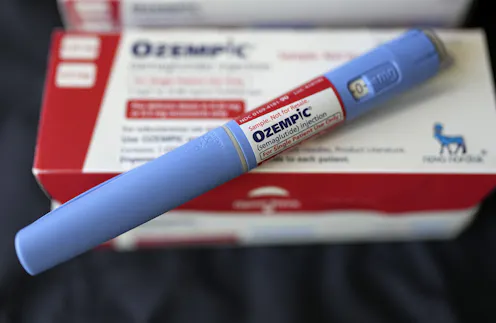
O futuro de medicamentos campeões de vendas pode depender de um julgamento na Pensilvânia, EUA
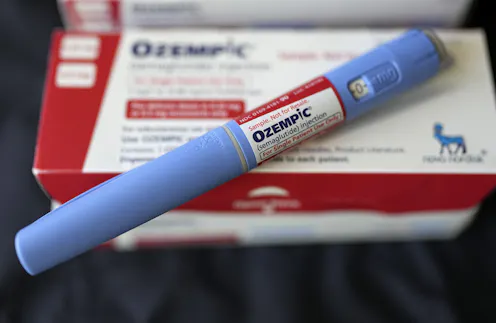
The future of the blockbuster drugs could hinge on a trial in Pennsylvania.
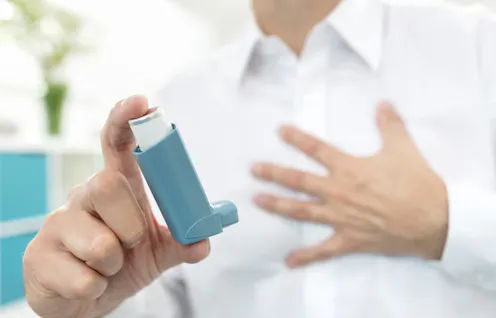
An inhaler that costs nearly $300 in the US goes for just $9 in Germany. What gives?
Listen to experts discuss the business practices of pharmaceutical companies in The Conversation Weekly podcast.
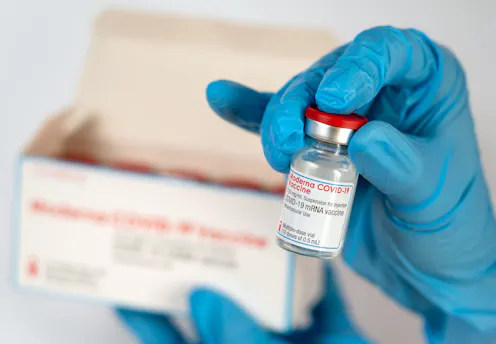
Moderna claims its scientists alone invented the mRNA sequence used to produce its COVID-19 vaccine. The US government, which helped fund the drug, disagrees.
The FDA has chosen not to regulate lab-developed tests like the ones at the center of the Theranos trial.
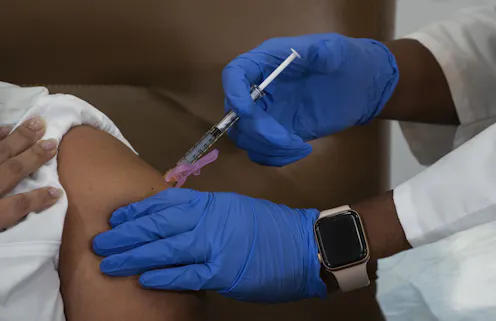
The federal agency in charge of enforcing discrimination laws in the workplace said ‘yes,’ but there are some important exceptions and limitations.
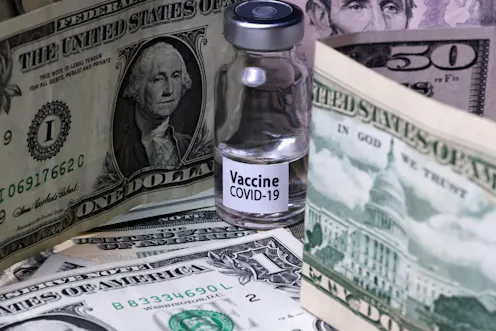
Millions of Americans say they won’t get the vaccine. Will money change their minds? And is luring them with cash the right approach?
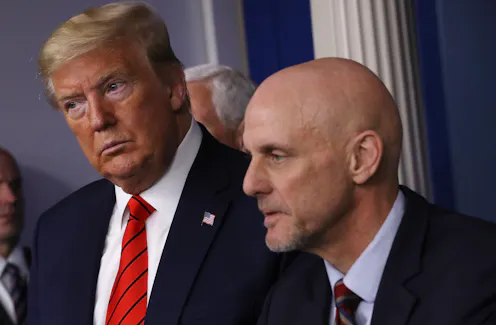
The rushed emergency approval for a treatment that might help COVID-19 patients has raised questions: Is the FDA abandoning its own guidelines?
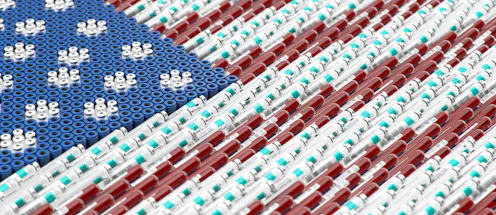
Should the US be able to pre-order vaccines for its citizens when other populations around the globe are at greater risk?
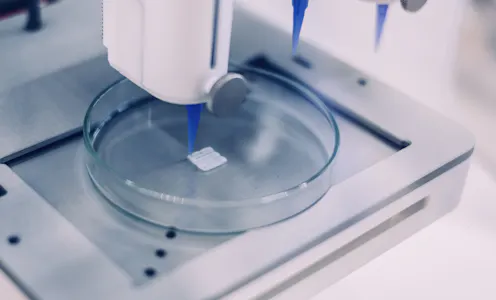
Bioprinting, an offshoot of 3D printing, is advancing so rapidly that regulators have been caught off guard. Two legal scholars argue patients and manufacturers would benefit from clearer rules.
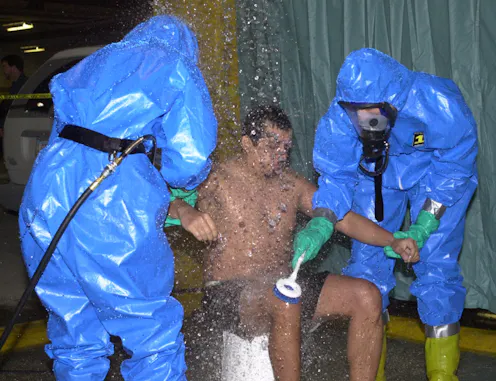
Talk of bioterrorism might provoke fears of smallpox and anthrax, but mundane threats like salmonella may pose greater danger. And experts say that the U.S. is not prepared for an attack.

Anti-vaccine info online might have foreign roots and political aims.

When artificial intelligence systems try to behave like humans and make mistakes, they show their limits – but also their startling advances.
With Gottlieb’s departure from the FDA imminent, what should we expect from the FDA? How is it likely to regulate the still controversial genetically engineered foods?
Artificial intelligence poses opportunities as well as dangers; understanding them – and regulating carefully – will help avoid harm to individuals and society as a whole.
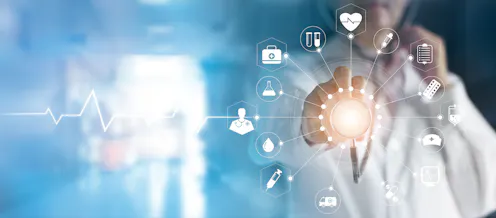
The strengths of blockchain technologies could help address the weaknesses of health care systems to store and secure medical records.
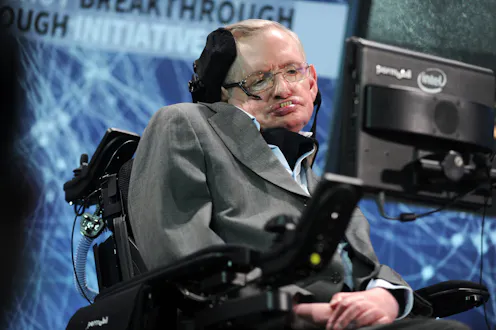
Despite his fears artificial intelligence might one day overtake humanity, Stephen Hawking knew from his own life how profoundly AI could improve humans’ daily lives.
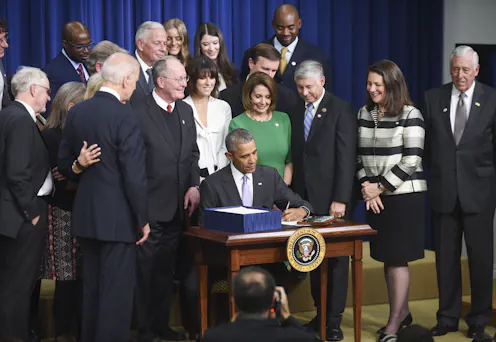
Lowering the threshold for FDA approval and feeding the agency less rigorous information will increase the likelihood of approvals of unsafe or ineffective drugs and devices.
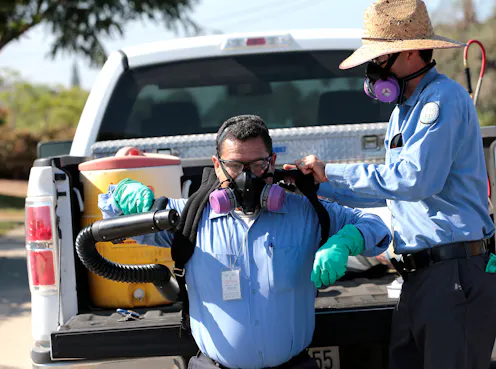
Congress has failed three times to approve spending to stop the spread of Zika. Their long-term response isn’t much better.
Contact Ana for
- General
- Media request
- Speaking request
- Consulting / Advising
- Research collaboration
- Location: Villanova, Pennsylvania, U.S.
- Website
- X (formerly Twitter): @a_rutschman
- Article Feed
- ORCID
-
- Joined
