

Poor housing affects education, employment, caring, sleep, relationships and dignity.
- Associate Professor (Housing Policy), Adelaide University, and Research Associate, ESRC Research Centre on Micro-Social Change, University of Essex
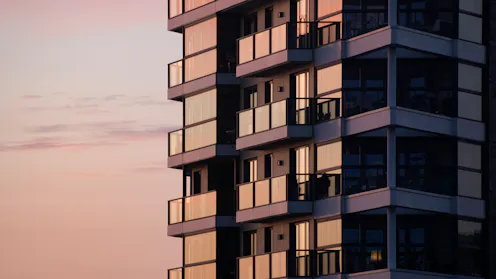
Governments have been pushing the construction of apartment towers for years to help housing affordability and availability, but people don’t want to live in them.

People age differently depending on the lives they lead. DNA testing shows every year of living in a privately rented home add 2.4 weeks of ageing compared to those who own their home.

Overcrowding is associated with many other mental and physical health concerns.
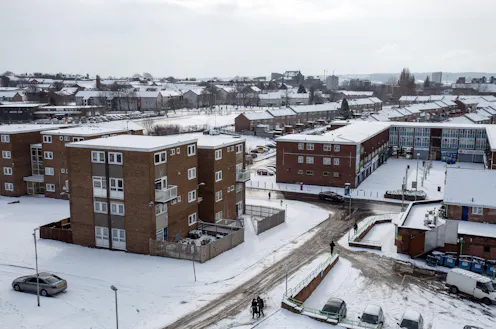
When people’s homes became cold, their risk of severe mental distress significantly increased.
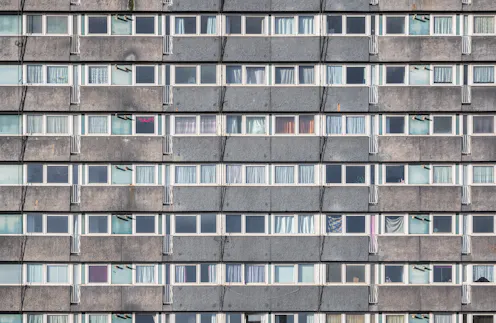
A new analysis shows how government policy led to thousands more overcrowded households in the years ahead of the pandemic.
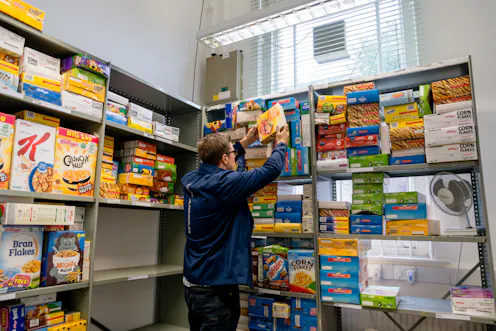
A survey of food bank users found nearly 60% couldn’t afford to adequately heat their homes.

Housing policy needs to prioritise housing’s function as a home, rather than an asset.
Contact Amy for
- General
- Media request
- Speaking request
- Consulting / Advising
- Research collaboration
- Research supervision
- Website
- Article Feed
- ORCID
- Joined
