
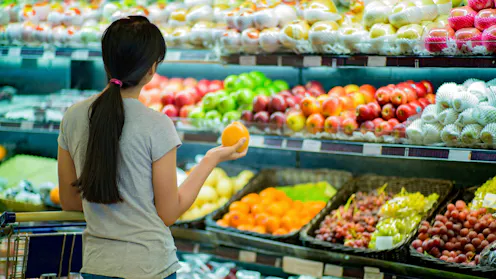
Rising oil and fertilizer costs linked to Middle East tensions could affect food prices, but the effects will vary across products and may take time to fully emerge.
- Professor, Dept of Food, Agricultural and Resource Economics, University of Guelph

The emission reduction targets outlined for Canadian fertilizer use will not lead to food shortages and food insecurity.

Mid-size farms used to be the average farm in Canada, but the increase in both small and large farms has made it difficult to define what the new average farm size is.
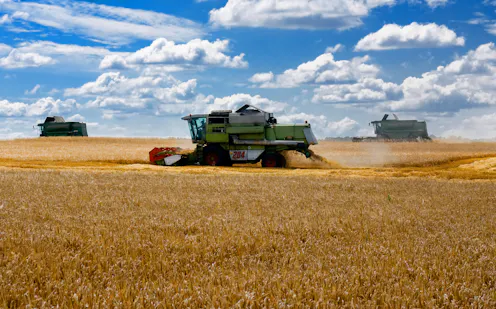
The Russian invasion of Ukraine will have global impacts far beyond the region directly involved in the fighting. Food prices will increase, and the effects will be felt by the most vulnerable.
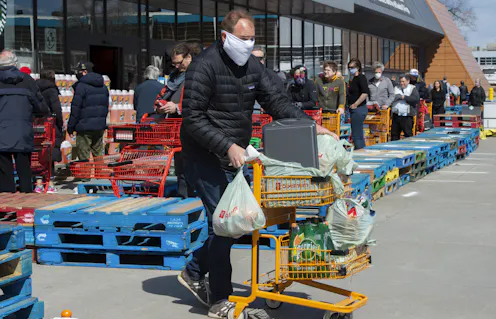
Canada’s food system has bent but not broken in the face of unprecedented demand during the COVID-19 pandemic. We will continue to have enough food available.
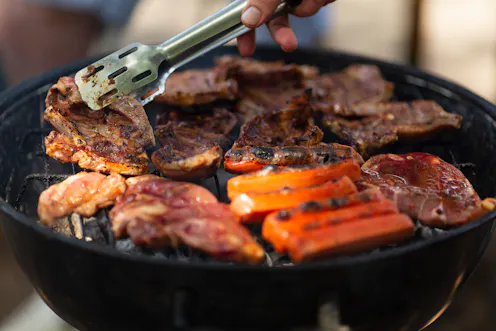
Il y a des changements évidents dans la consommation de viande. Mais elle n'est pas alimentée par une augmentation du véganisme et du végétarisme.
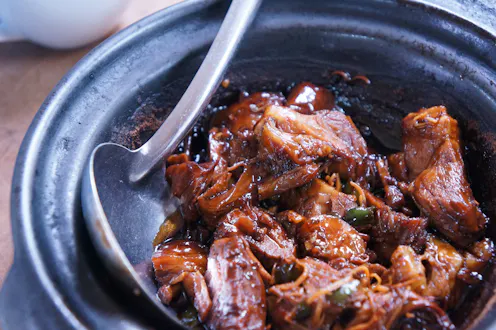
There are clearly changes happening in meat consumption. But it’s not being fuelled by an increase in veganism and vegetarianism.
The six food trends likely to be front and centre in 2019.
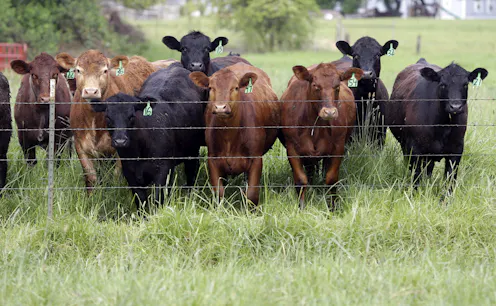
The use of antibiotics in raising livestock is complex. We could be moving towards a less-than-ideal result due to poor understanding, over-simplistic messaging and a rush for competitive advantage.
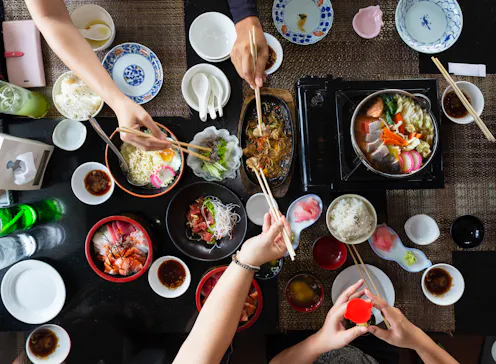
Restaurants are playing an increasingly influential role in how we live. We not only patronize them more often, they also influence our choices at the grocery store.

Canadians are increasingly looking to alternatives to meat to get their protein. Pulses like lentils and chickpeas are becoming more popular. Will insects find a way onto our plates too?
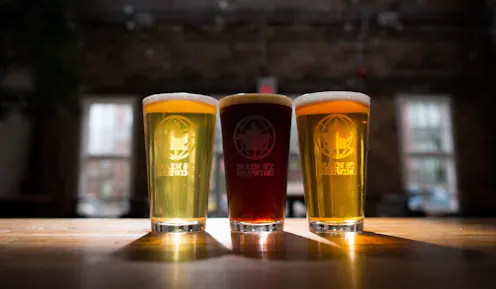
Canada’s craft beer industry is exploding. But antiquated regulations stemming from the years of the temperance movement is preventing big acquisitions by larger brewers.
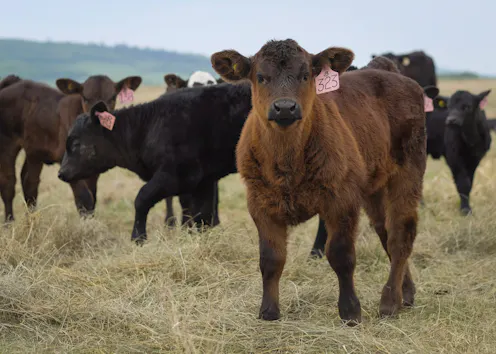
Canadians are increasingly invested in their food – where it comes from, how it’s produced, and whether it’s healthy. Here are some predicted food trends for 2018.
Contact Alfons for
- General
- Media request
- Speaking request
- Consulting / Advising
- Research collaboration
- Research supervision
- Location: Guelph, Canada
- X (formerly Twitter): @aweersin
- Article Feed
- ORCID
- Joined
