
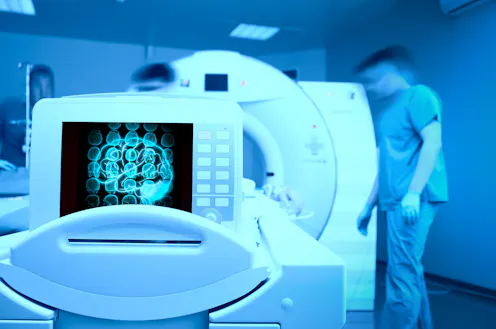
If global health care was a country, it would be the world’s fifth largest emitter. There are simple ways health care can reduce its emissions, starting with scans and gases.
- Professor of Public Health, University of Sydney

New research estimates 24% of cancers in men that were detected in 2012 were overdiagnosed, meaning they never would have caused harm if left untreated.

New tests may mean more people are diagnosed, but that doesn’t mean they’ll be helped by the label or the treatment. Here are five markers that overdiagnosis may be occuring.
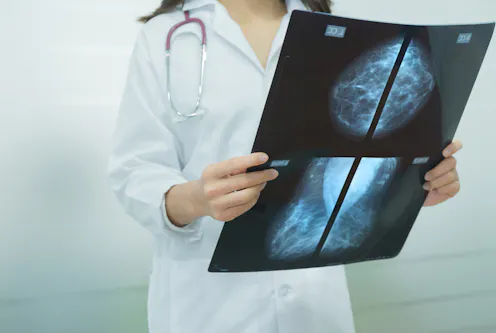
Calls to routinely offer breast cancer screening to more women might sound like a good idea, but can harm. Here are three questions to ask when figuring out whether more screening really is better.

Cancer screening is beneficial when it’s able to prevent people dying from cancer. And it should clearly be adopted where there’s evidence showing this. But using cancer survival rates to promote screening…

A bill due to be debated in the upper house of the NSW Parliament will bestow legal personhood to fetuses of 20 weeks or more for the purpose of grievous bodily harm offences in the Crimes Act, if passed…

Earlier this year, leading American cancer scientists called for a set of changes to deal with the problem of over-diagnosis and over-treatment caused by cancer screening. Efforts to raise awareness and…
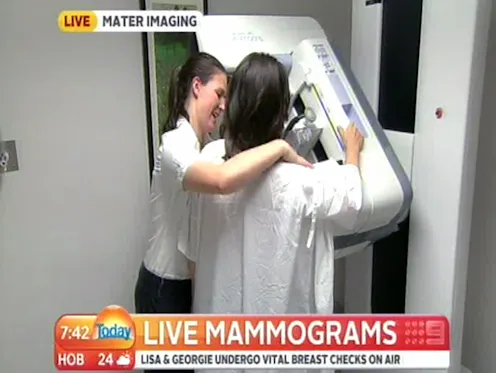
Celebrities have taken to “live” mammograms on television, undergoing this usually very private procedure in a rather public way. This includes Today show co-host Lisa Wilkinson, and news presenter, Georgie…

When they were introduced over 20 years ago, national breast screening programs were a milestone in public health. They were based on evidence from randomised trials that screening saved lives. But there…
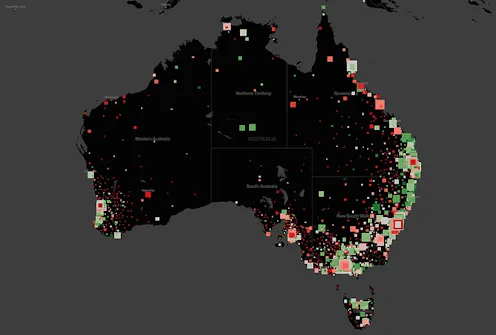
Medical abortions will finally be easily available to Australian women when the drug RU486 (mifepristone and misoprostol) is listed on the Pharmaceutical Benefits Scheme (PBS) from August 1, 2013. But…

A recent article in The Conversation’s Health Rationing series endorsed the government’s decision to extend the BreastScreen program to women aged 70 to 74 (from 50 to 69), based on the results of a 2009…

Women in England, Scotland, Wales and Northern Ireland will all soon be advised to start screening for cervical cancer at 25 years, and those aged between 50 and 64 years to screen every five years rather…
Contact Alexandra for
- General
- Media request
- Speaking request
- Consulting / Advising
- Research collaboration
- Research supervision
- Location: Sydney Australia
- Website
- Article Feed
- Joined
