
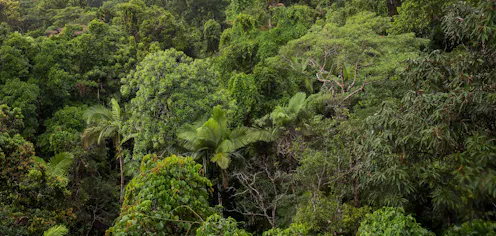
Good rains kept Australia’s landscapes green in 2025, but ecological disasters in the ocean and wildlife decline underscore the toll of climate change.
- Professor, Water and Landscape Dynamics, Fenner School of Environment & Society, Australian National University
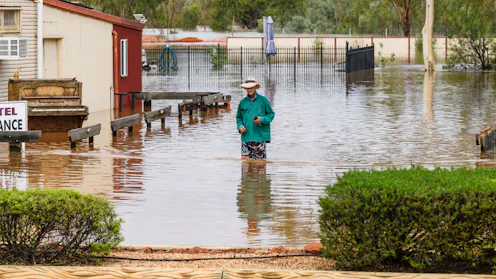
Behind flood and bushfire disasters is a less visible influence: changes in the planet’s water cycle. Rainfall and temperature shifts are amplifying climate change.
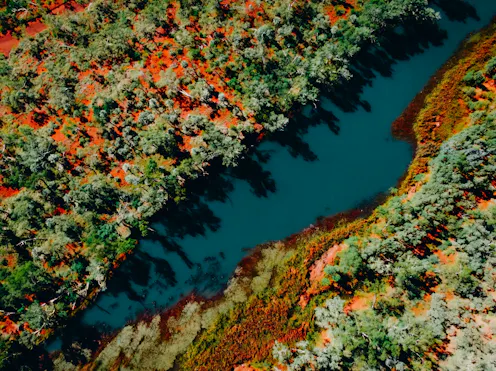
Favourable short-term conditions kept Australia’s environmental scorecard high in 2024 – but long-term problems are worsening.
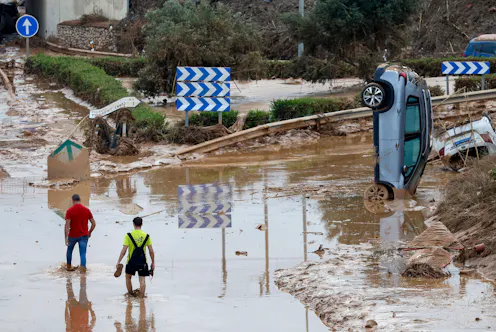
De rios secos a plantações e cidades inundadas, o aumento das temperaturas em 2024 causou estragos no ciclo da água, desafio tanto para as pessoas quanto para a natureza
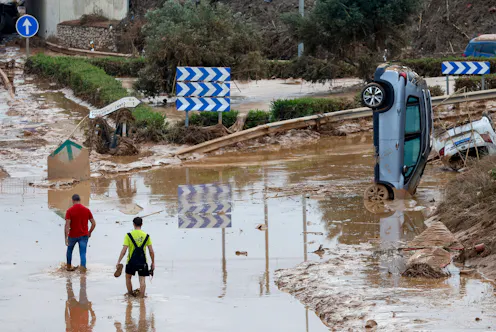
From dried-up rivers to flooded crops and cities, rising temperatures in 2024 wreaked havoc with water, creating life-threatening challenges for people and nature alike. Explore this interactive map.
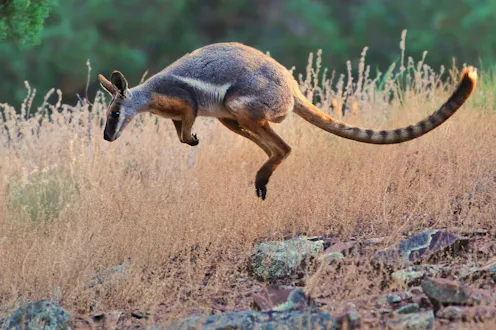
Conditions deteriorated in 2023 but were stlil relatively good for ecosystems and agriculture. Unfortunately, the alarming decline of threatened species continued.
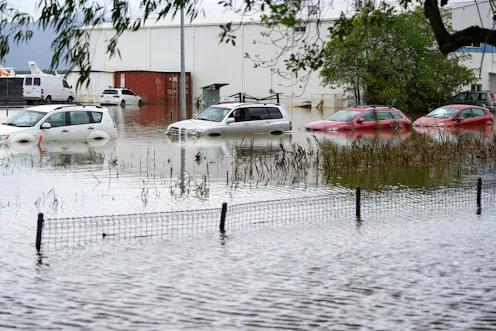
The impacts of record heat on the global water cycle were severe and wide-ranging – and the trend will continue in 2024.
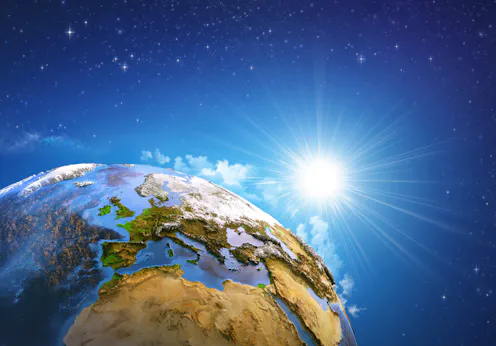
For some countries, climate change has already pushed most of their territory into a different climate zone. Our research shows what’s already happened – and what’s yet to come.
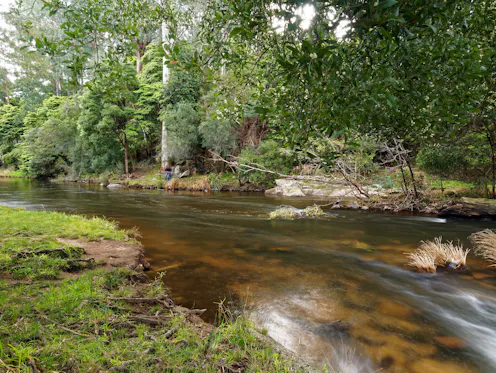
Last year was great for plant growth and river flows. But Australia is still on the brink of losing a slew of plant and animal species.
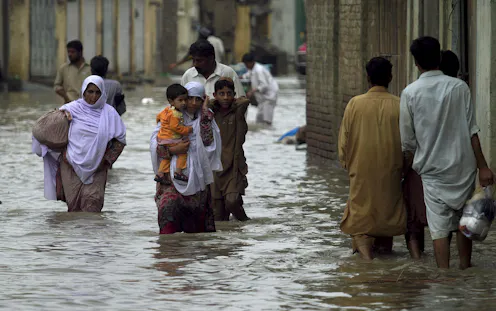
Globally, the air is getting hotter and drier, which means flash droughts and risky fire conditions are developing faster and more frequently.
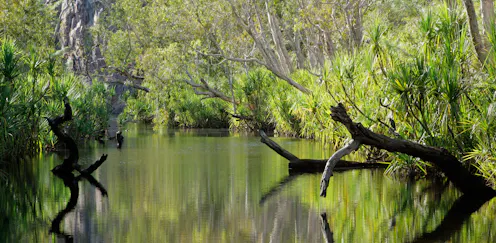
This score is a massive four points higher than the year prior. But as La Niña subsides, we’ll quickly feel the long-term warming trend again, with bushfires picking back up next season.
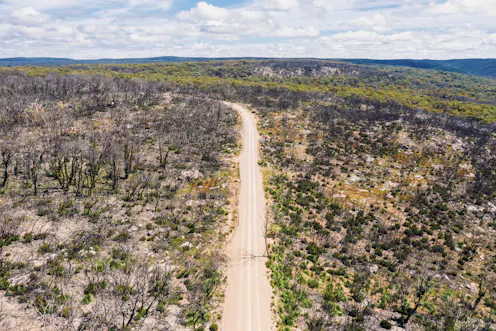
New research shows nature started its long road to recovery in 2020 – especially in NSW and Victoria. But overall conditions across large swathes of the country remain poor.
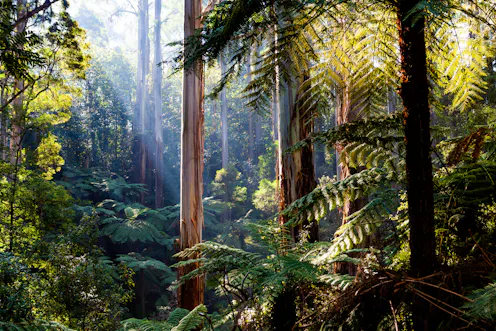
We counted the number of standard trees in Australia. It turns out that since 1990, we’ve actually been gaining trees faster than losing them.
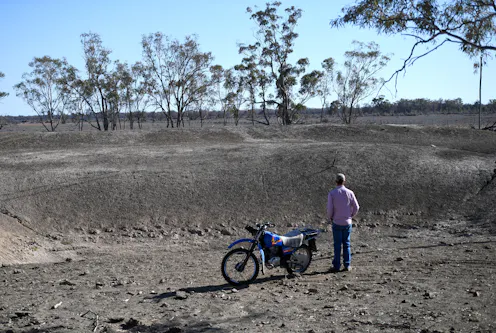
To fully understand why droughts begin, persist and end, we need to answer the question: where does Australia’s rainfall come from? It may seem basic, but the answer isn’t so simple.
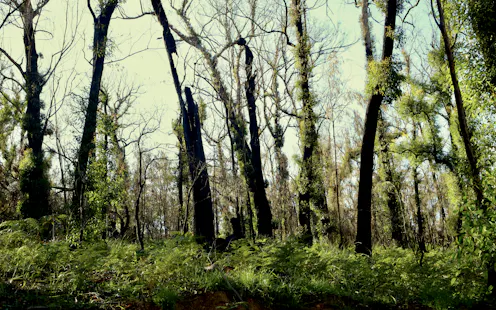
Researchers have collated measurements made by satellites, field sensors and people, to get a picture of the nature’s recovery while we’ve been in lockdown.
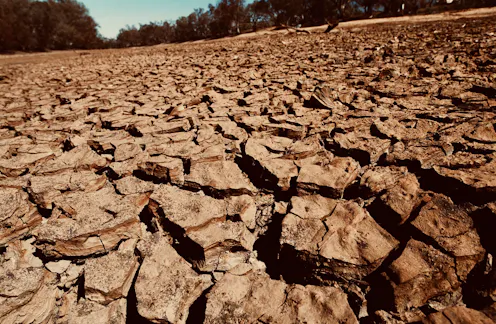
The report reveals the worst environmental conditions in many decades, if not centuries.
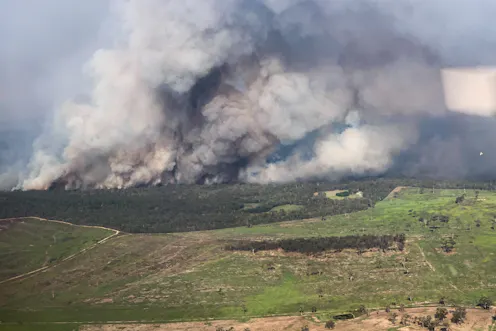
Australia’s environment took a beating in 2018, as temperatures rose, rainfall declined, the health of rivers and ecosystems worsened, and floods, droughts and bushfires all took their toll.
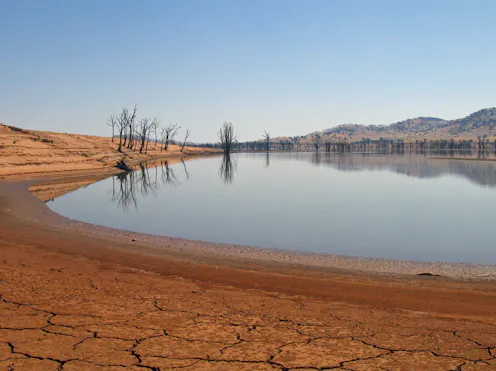
We can’t make it rain. But you are already helping if you don’t use more water than you need. And you can talk to your parents about the planet getting warmer, because the heat makes drought worse.
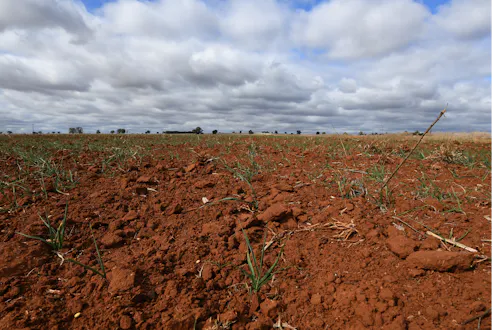
New satellite-based research shows there is at least as much value in knowing how much water is left for plants to use as there is in knowing how much rain may be on the way.
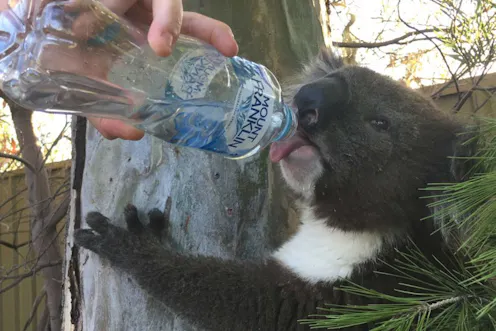
An annual assessment of the health of Australia’s environment shows mostly stable conditions in 2017, but ecosystems on land and at sea suffered ever higher temperatures.
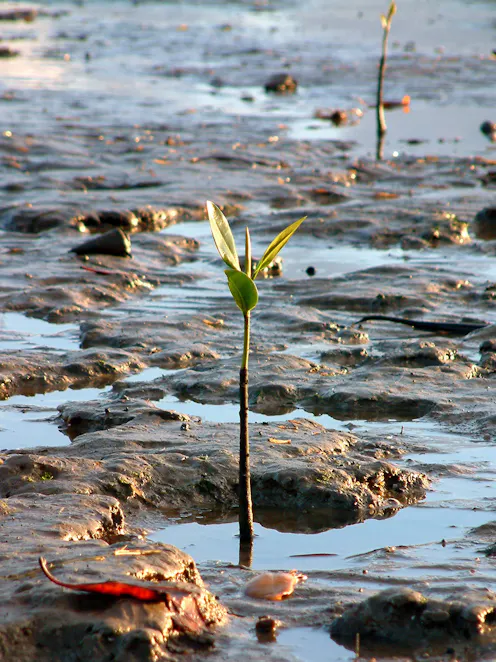
Rain made a welcome comeback to Australia in 2016 after several years of deepening drought. But Tasmania and the Top End were among several places that did not fare so well.
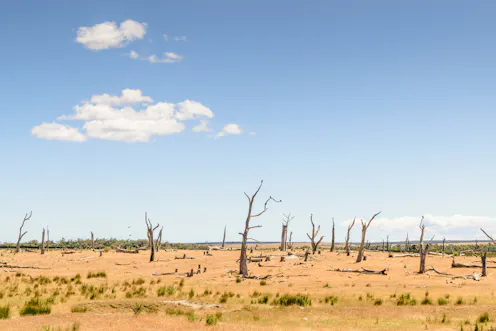
After some unusually wet years, our landscape and ecosystems have once again returned to poorer conditions that were last experienced during the Millennium Drought.
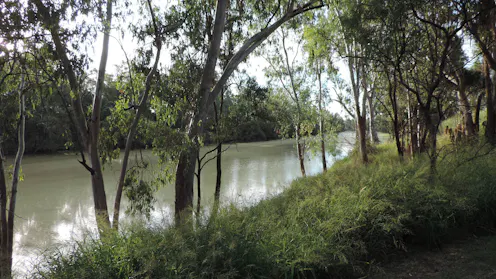
Rising carbon dioxide levels are making plants grow faster, sucking up more water and reducing river flows in many agriculturally important areas of Australia, according to new research.
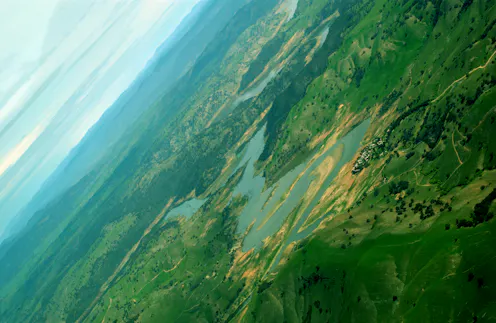
A new investigation of satellite records reveals that the Earth is getting greener, despite ongoing deforestation in Indonesia and South America.
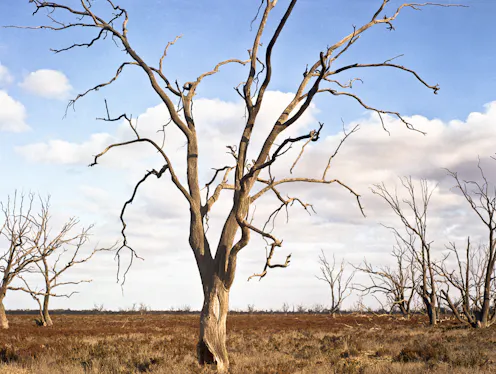
Three years ago in March 2010, southeast Australia was still in the grip of “the big dry” or the “millennium drought” - billed as the worst drought since European settlement. Dams across the Murray-Darling…
Contact Albert for
- General
- Media request
- Speaking request
- Consulting / Advising
- Research collaboration
- Research supervision
- Location: Canberra
- Website
- Article Feed
- ORCID
- Joined
