
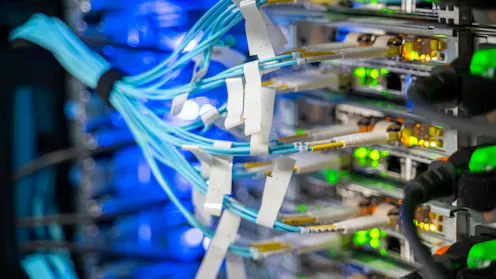
AI data centres are contentious for consuming large resources. But with the right incentives and regulation, can they make for more flexible electricity systems?
- Professor and Chair in Sustainable Energy Systems, Te Herenga Waka — Victoria University of Wellington
- Extraordinary Professor of Engineering Management and Sustainable Systems, Stellenbosch University
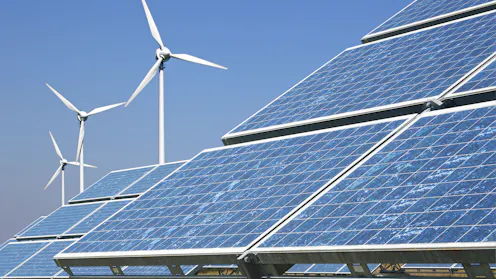
New Zealand could meet its electricity needs through renewables and avoid power shortages during dry years by combining battery systems with pumped hydro schemes.
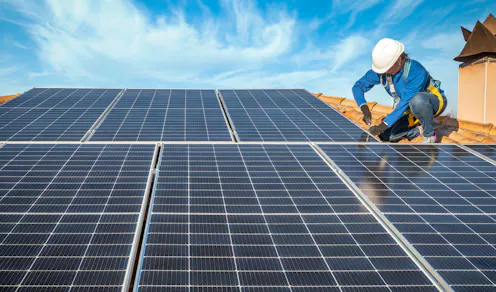
The energy return on investment for wind and solar technologies in New Zealand is becoming comparable to hydropower.
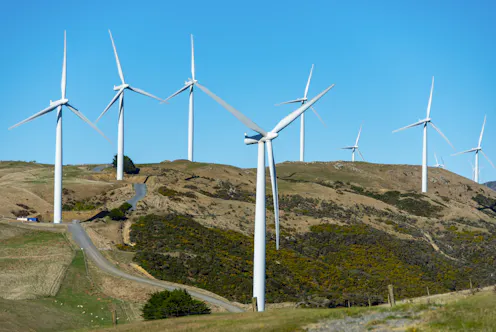
The good news is that New Zealand is on track to meet electricity demand with renewable generation by 2030. The less good news is that winter price spikes are still likely.
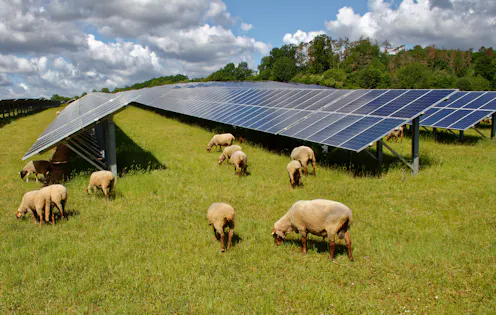
The major benefit of agrivoltaics is that solar panels shelter crops and animals from the heat, while providing more warmth at night. Soils also retain more moisture and some crops grow better.
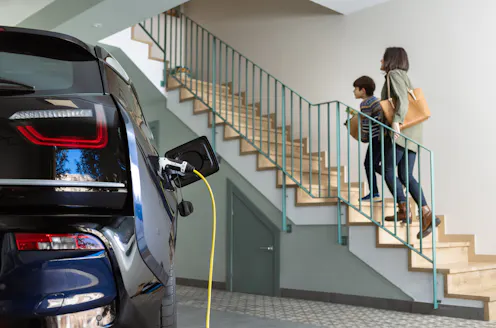
Using a ‘grid of grids’ network, New Zealand’s growing electric vehicle fleet could contribute to national energy resiliency, feeding electricity back into the system during peak demand.
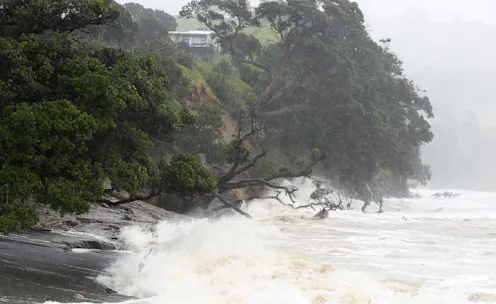
National electricity grids are vulnerable to extreme weather events and can leave entire regions without power. Microgrids can deliver better energy security in a warming world.
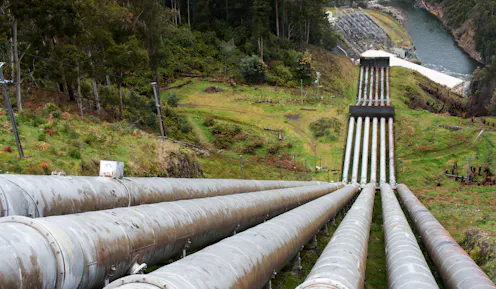
If the proposed pumped hydro scheme at Onslow goes ahead and is managed well, it could be a major asset to diversify a low-carbon, self-resilient economy in Aotearoa New Zealand.
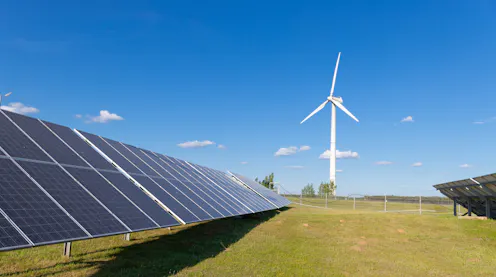
A technique called ‘energy arbitrage’ allows owners of local ‘microgrids’ to make a profit by designing the network to buy cheap power, store it and sell it back at a higher price.
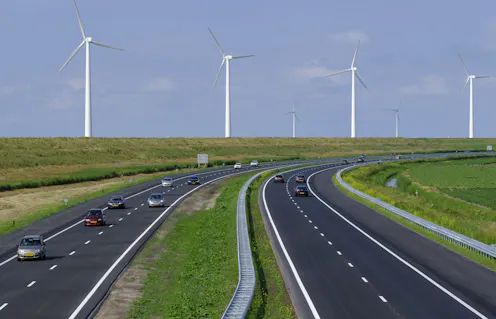
Battery electric cars are an ideal choice for light-duty and shorter commutes, but for long-haul trucks or buses, hydrogen fuel cells offer higher loads, shorter refuelling times and a longer range.
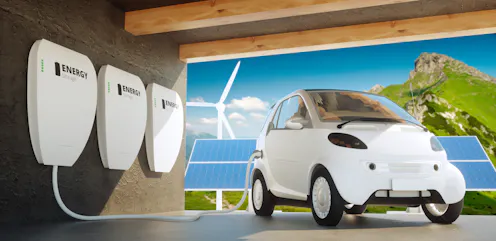
In the near future, we may see electric cars supplying power to smart grids or communities with their own independent microgrids.
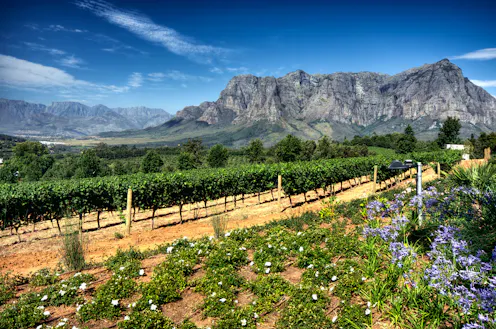
It takes a lot of electricity to produce wine. If the industry wants to remain sustainable, it must place more emphasis on reducing energy use.
Contact Alan for
- Media request
- Consulting / Advising
- Research collaboration
- Location: Wellington, New Zealand
- Website
- LinkedIn: alanbrent
- X (formerly Twitter): @alanbrent
- Article Feed
- ORCID
- Joined

