
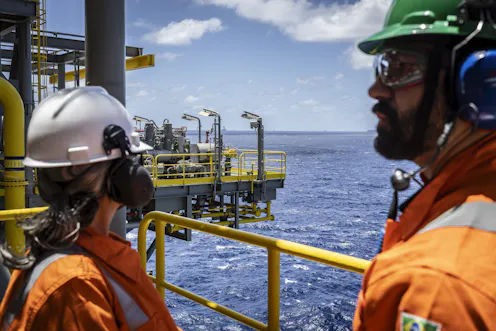
Oil producers across the Americas have responded to the disruption in the Gulf by increasing output and exports.
- Lecturer in Energy Systems, University of Oxford
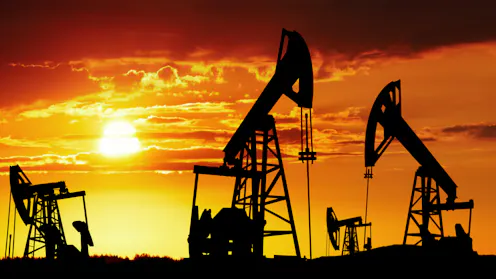
UAE wants to increase its production of oil beyond the quotas it is alloted by the oil-producing cartel.

And a US blockade of the strait of Hormuz is unlikely to ease the situation.
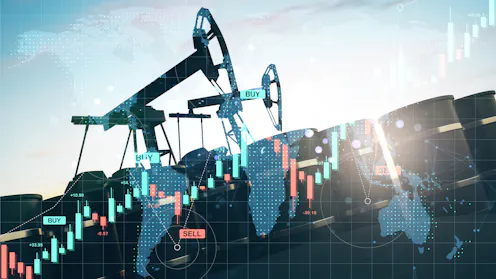
Even in more peaceful times, oil is considered to be one of the world’s most volatile commodities.
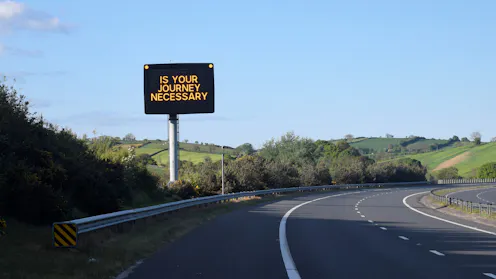
The world could be facing an unprecedented energy shock if oil supplies remain choked.
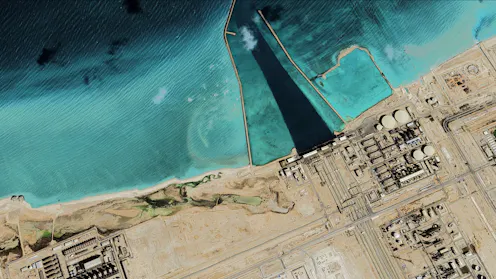
The plant is the largest of its kind in the world – and it suffered extensive damage.
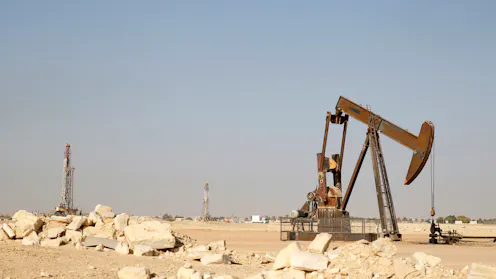
Is it time to panic about supplies?
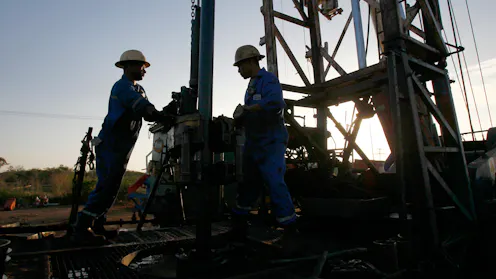
There are good reasons why Venezuela’s oil has been trading at a discount.
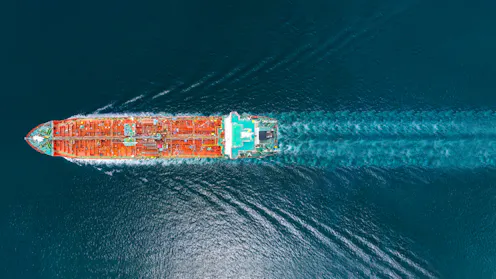
An oil surplus means that so far reaction has been muted – but disruption and rising prices could still be on the cards.
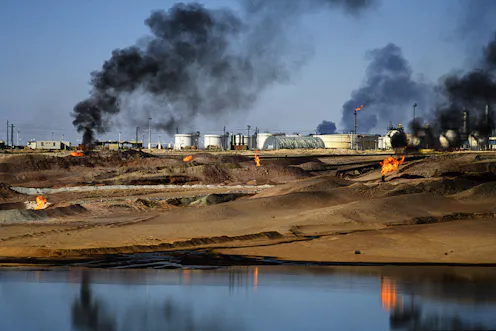
Whereas oil producers like Saudi and the UAE are spending heavily to diversify away from carbon, the same can’t be said of many other Opec members.
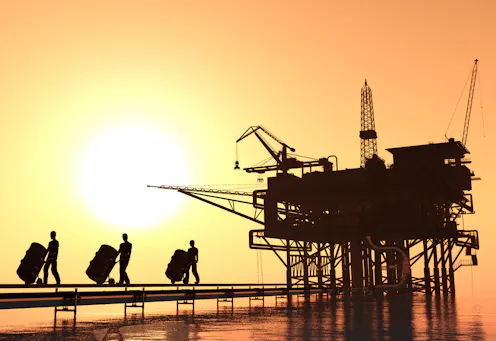
Oil producers behave as if heatwaves, forest fires and rising sea levels were happening on another planet.
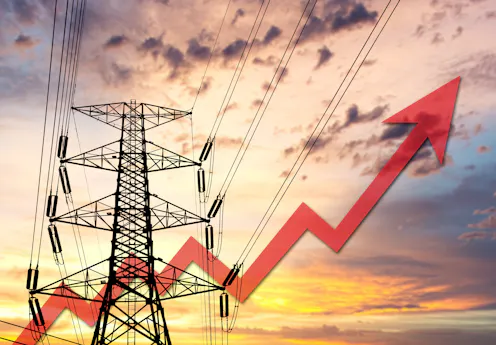
Government attempts to manage energy prices could actually create more volatility in oil and gas markets.
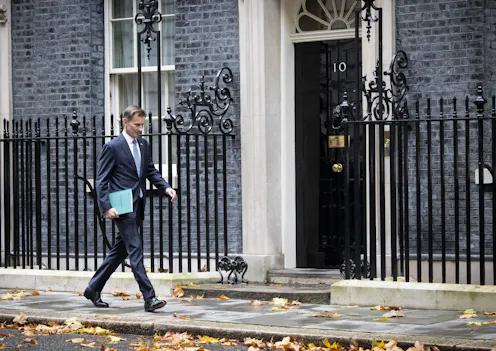
Our panel of academics responds to the UK government’s latest economic plans.
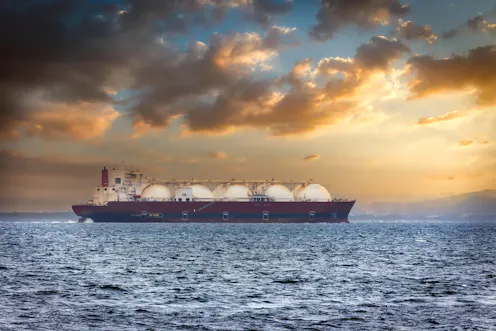
Hopes that prices will ease are probably wishful thinking.

Economists discuss current political proposals designed to tackle the cost of living crisis.
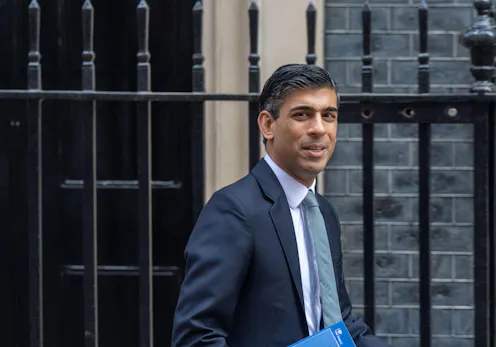
The UK chancellor is giving a one-off payment of £1,200 to the most vulnerable households, while U-turning on a windfall tax for energy companies.
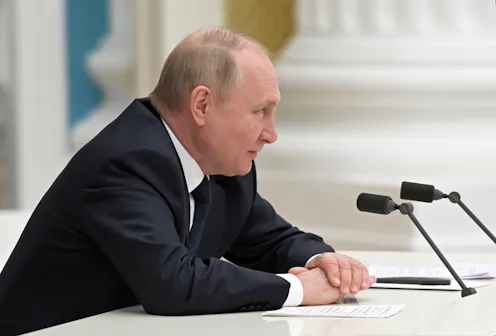
Most of the emphasis has been on the threat to Europe’s gas needs, but if Russian crude oil is restricted, it will cause even greater problems.
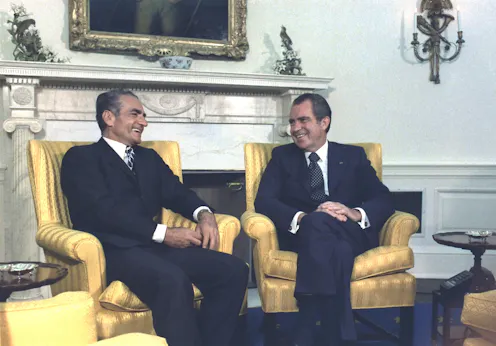
People like to blame the green transition for high energy prices, but this is only true up to a point.
Contact Adi for
- Media request
- Speaking request
- Consulting / Advising
- Research collaboration
