

How big policy areas like crime, education, transport and energy have changed.
UK Centre for Ecology & Hydrology

The UK Centre for Ecology & Hydrology (UKCEH) is a centre for excellence in environmental science across water, land and air.
Our 500 scientists work to understand the environment, how it sustains life and the human impact on it – so that together, people and nature can prosper. We have a long history of investigating, monitoring and modelling environmental change, and our science makes a positive difference in the world.
The issues our science addresses include: air pollution, biodiversity, biosecurity, chemical risks, extreme weather events, droughts, floods, greenhouse gas emissions, land use, soil health, sustainable agriculture, sustainable ecosystems, sustainable macronutrient use, and water resources management.
The UK Centre for Ecology & Hydrology is a strategic delivery partner for the Natural Environment Research Council, part of UK Research and Innovation.
Links
Articles

Alors que l’Ukraine tente de maintenir sa production agricole malgré la guerre, ses sols souffrent d’un manque d’intrants. Une dégradation rapide qui peut avoir des conséquences mondiales…

Improved manure recycling is one measure being proposed that could help Ukraine’s soil recover from misuse of fertilisers.

For the first time, we used a computer model of ocean currents to show that krill waste products don’t need to reach great depths to achieve carbon storage for at least 100 years.
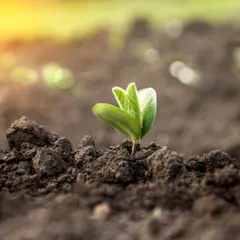
This key fertiliser ingredient is subject to sudden price spikes.
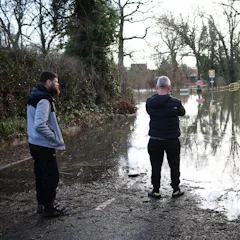
On one stretch of Nottingham’s River Trent, floods that arrived every 50 years now return in ten.

‘Breath emissions’ are around 0.05% of the UK’s total methane emissions.
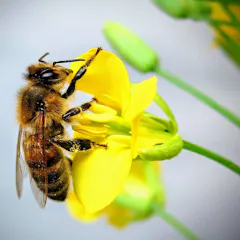
We’re making life tough for insects – and not just by swatting them away with a newspaper.
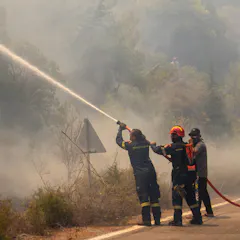
Climate change promotes ideal conditions for catastrophic fires, but the most drastic changes can still be avoided.

Windermere has seen extensive algal blooms, attracting attention over its ecological consequences. But this is nothing new.
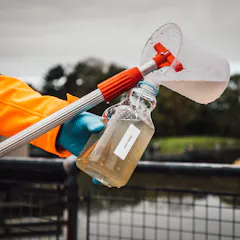
An unexpected legacy of COVID could be a new system for monitoring public health.
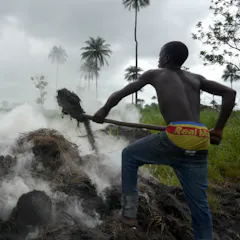
This increases the risk of disastrous flash flooding in the region’s coastal cities.
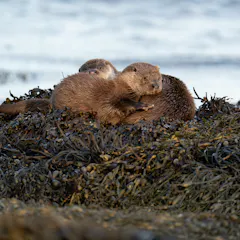
Is the UK government missing the wood for the trees?
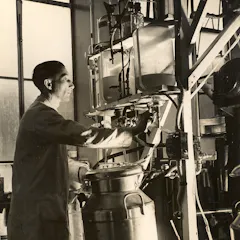
The pipeline for new antibiotics is broken. It is time to think outside the box.
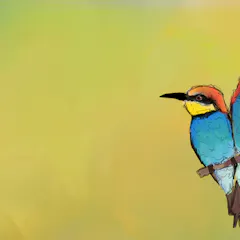
Even in the breeding grounds, we found that European bee-eaters preferred the company of some birds over others. These tended to be the individuals they migrated with.
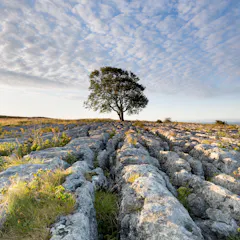
A new study has calculated the tremendous cost of ash dieback to the UK economy.
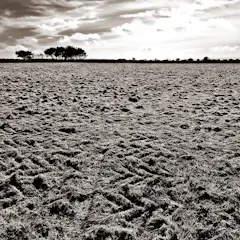
Mapping the soil with open source application is vital to understanding how to protect it.
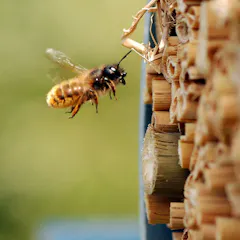
Here’s how to take the sting out of these harmful pesticides.
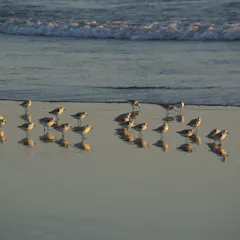
We aren’t just jostling with each other for beach space. Scuttling, waddling, hopping or flying away from beachgoers all around Australia, wildlife struggles to survive the daily disturbances.
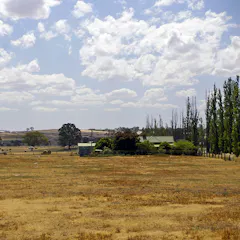
Forecasting drought should be about more than weather – to help those likely to be hit hardest, we need financial and even health data too.
Authors
-

Principal Scientist, UK Centre for Ecology & Hydrology
-
Catchment Biogeochemist, UK Centre for Ecology & Hydrology
-
Senior Atmospheric Scientist, UK Centre for Ecology & Hydrology
-
Ecological Entomologist, UK Centre for Ecology & Hydrology
-
Meteorologist, UK Centre for Ecology & Hydrology
-
Soil Scientist, UK Centre for Ecology & Hydrology
-
Land Surface Modeller, UK Centre for Ecology & Hydrology
-
Ecological Entomologist, UK Centre for Ecology & Hydrology; University of Exeter
-
Principal Hydrologist, UK Centre for Ecology & Hydrology
-
Science Area Lead, Natural Capital, UK Centre for Ecology & Hydrology
-
Atmospheric Physicist/Chemist, UK Centre for Ecology & Hydrology
-
Radioecologist (NERC-CEH), UK Centre for Ecology & Hydrology
-
Biogeochemist, UK Centre for Ecology & Hydrology
-
Lake Ecologist and Modeller, UK Centre for Ecology & Hydrology
-
Senior Science Project Manager, UK Centre for Ecology & Hydrology