

How has the UK’s health changed since 2001?
Nesta

Nesta is a global innovation foundation We back new ideas to tackle the big challenges of our time, from the pressures of an ageing population to stretched public services and a fast changing jobs market.
Links
Articles

The WHO is creating a Global Pandemic Radar – an example of collective intelligence that must learn lessons from this pandemic.
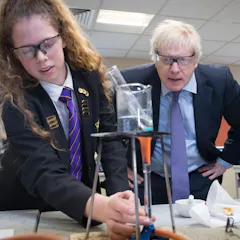
The expensive task of cementing the UK’s status as a science superpower will need to have transformative benefits

As talk of recovery begins, it’s time to rethink the role of artificial intelligence in society.

The world needs to engage seriously with China’s AI development and take a closer look at what’s really going on.

The usefulness of drones to the medical sector has been clear for several years – and well-funded start-ups have been trialling services around the world.

Innovative ideas during the lockdown could protect democracy and make it stronger and more inclusive.

Only a quarter of UK startups have a female in their founding team and just 5% of SMEs are minority ethnic group led.

Many low and middle-income countries are unprepared for the COVID-19 pandemic. But innovation could help.

We’re better together.

Rishi Sunak has delivered his first budget as UK chancellor and the Conservative Party’s first budget since winning the 2019 general election.
The US research funder is widely admired, but does the UK have the guts to start its own version?

Tilting toilets are the latest suggestion to limit time spent on the loo at work.

Drones are coming to our cities – but what do people really think about them, and how can they have a sustainable future? New research provides some answers.

Crowd-based prediction markets have even been shown to outperform intelligence analysts.

Penurunan emisi karbon juga bergantung pada perubahan norma dan perilaku sosial, tidak hanya dengan teknologi.

Cutting carbon use depends on changing social norms and behaviour as much as technology.

From 2000 to 2013, less than a third of gendered pronouns within articles (for example, ‘he’ and ‘she’) referred to women.

Overall, participation in STEM careers activities is low, with less than 30% of UK 11- to 14-year-olds reporting having taken part in 2017.

Only 13.83% of AI authors in arXiv are women and, in relative terms, the proportion of AI papers co-authored by at least one woman has not improved since the 1990s.
Authors
-

Principal Researcher, Centre for Collective Intelligence Design, Nesta
-
Quantitative Research Fellow, Nesta
-
Principal Researcher, Healthy Life Mission, Nesta
-
Senior policy adviser, Nesta
-
Researcher, Nesta
-
Head of Future Cities, Nesta
-
Senior Researcher, New Technology and Startups, Nesta
-
Director of Innovation Mapping, Nesta
-
Researcher, Nesta
-
Analyst, Health Life Mission, Nesta
-
Director of the Centre for Collective Intelligence Design, Nesta
-
Director, Healthy Life Team, Nesta
-
Head of Inclusive Innovation, Nesta
-
Lead, Research and Impact, Nesta
-
Researcher, Government Innovation, Nesta