

Our research found how “blaming others” attitudes related to stigmas surrounding COVID-19 in Indonesia and Malaysia.
In English – Artikel, Analisis, Komentar
Menampilkan 326 - 350 dari 641 artikel
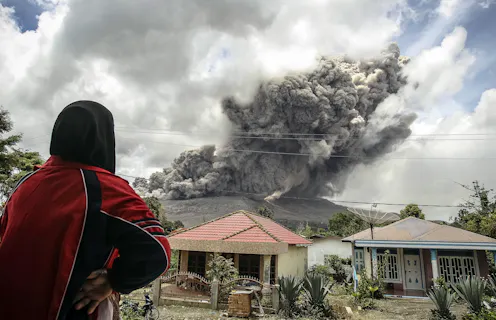
What is political will or political commitment to disaster risk reduction? Why is it important to measure political commitment? And how to measure it?

Efficient technologies can save Indonesians not only billions of rupiah but also avoid the need to built 50 power plants by 2030.
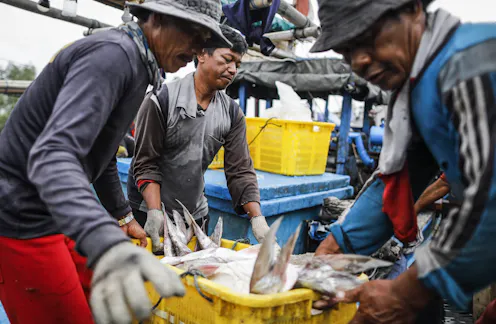
The patronage system – common in South-East Asia’s small-scale fisheries – indirectly perpetuates destructive fishing practices. However, opportunities exist to tap them as agents of change.

With its abundant sunshine and unique topography, Indonesia is able to generate 100% green electricity from its solar energy by 2050.

Social science researchers can help make sure contact tracing is carried out in all provinces in Indonesia.

During the transitional period between the Pleistocene and Holocene epoch, the Earth’s temperature underwent massive change, forcing prehistoric humans in Indonesia to change their diet.
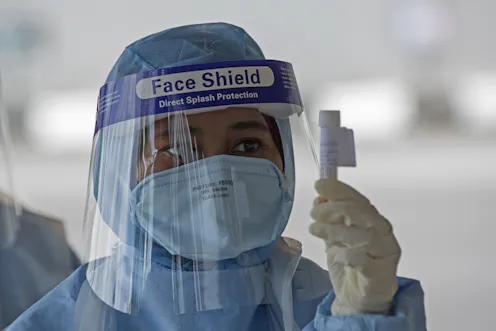
Populist leaders can be a liability. Their optimistic bias and complacency, ambiguity, and ignorance of science undermine crisis management and put all at risk.
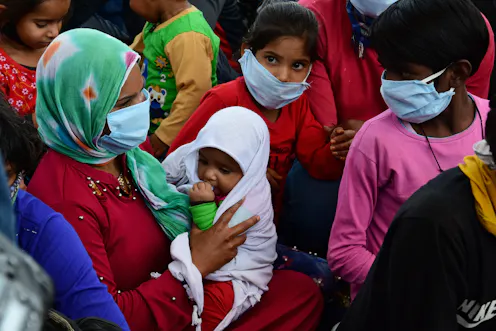
At the time of writing, there have not been many published papers regarding breastfeeding during the COVID-19 pandemic. Most research is still ongoing.

Releasing convicts amid the pandemic is not enough. The government should issue a law that provides alternatives to detention to avoid overcrowding.
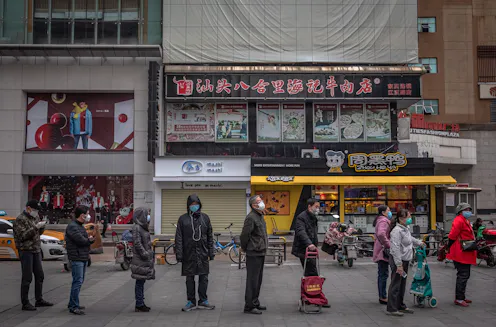
To recover its economy, China must also see the economy of its export destination countries improve.
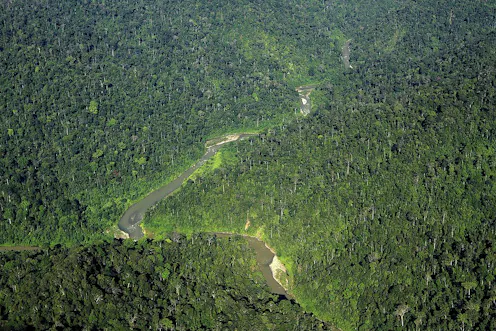
Declaring conservation areas is meant to preserve nature. Why is this approach still failing?
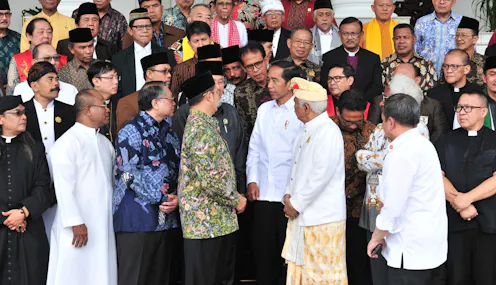
As a nation with a strong religious sentiment, Indonesia could rely on its religious leaders to be more involved in communicating messages about the crisis.
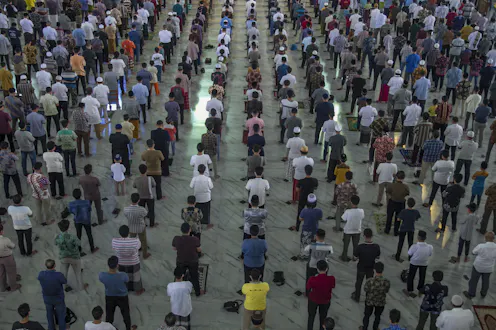
The current calculation of the COVID-19 death rate in Indonesia does not reflect the reality on the ground.
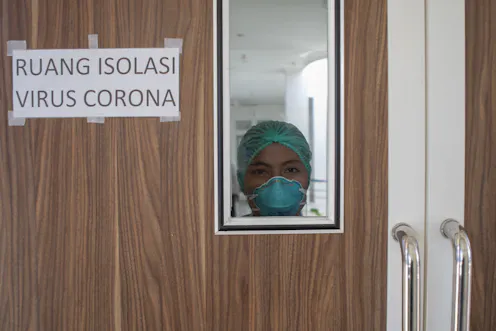
Massive COVID-19 rapid testing is starting this week in the several cities and regencies of coronavirus hot spot of Jakarta, West Java and Banten focusing on vulnerable groups.
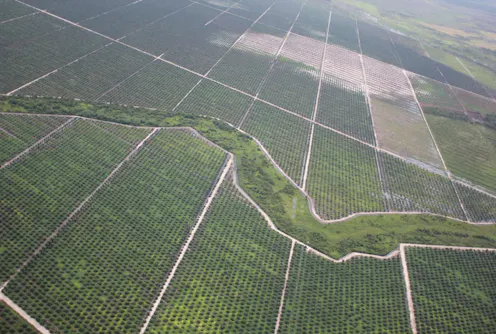
Oil palm plantation on remote locations is not mutually exclusive with increase wealth and improve living standards at remote locations.

The policy of self-isolation fails to take into account the fact that many poor and low-income people cannot afford to do it.

Indonesian textbooks represent gender equality better than their South Asian counterparts, but our analysis shows portrayals of women are still biased.
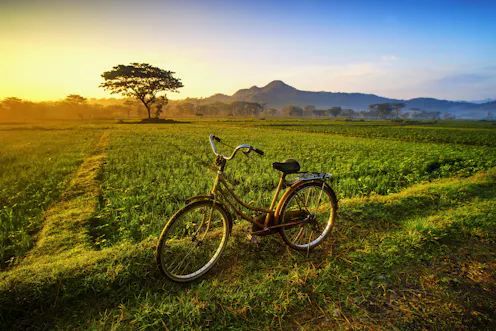
Rapid motorisation has made the Indonesian city of Solo prioritise policies to support motorised vehicles, paying little attention to cycling and marginalising poor women.
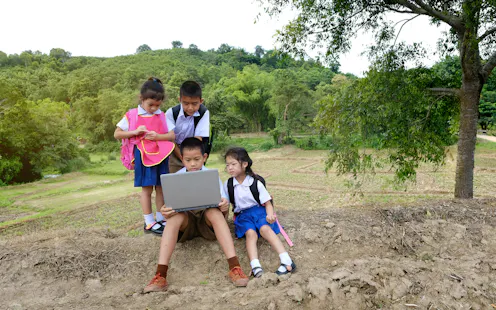
In Southeast Asia like in many other developing regions, a large segment of the population don’t have access to the Internet and electronic devices.
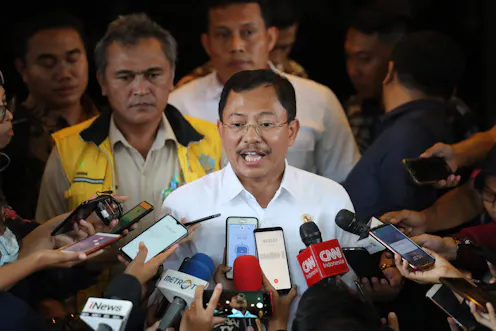
Strategic risk communication is needed to curb fearmongering and racist sentiments on social media related to COVID-19

In Southeast Asia multiple streaming companies are vying for market share.
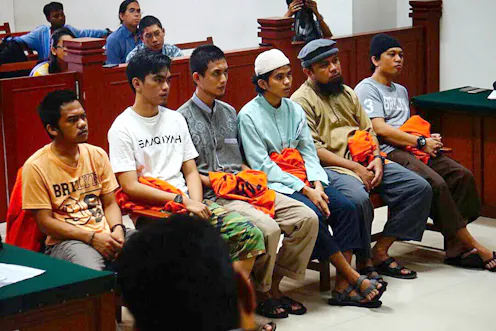
A more robust strategy is needed to manage terrorism funding, especially fund-raising by returning terrorist fighters.
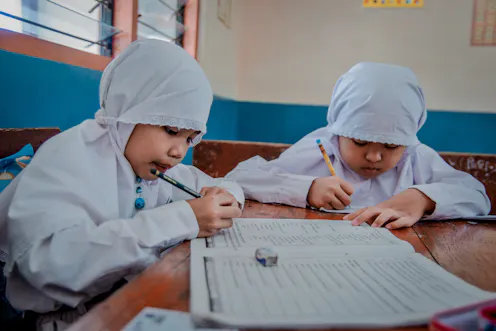
Research finds that poor households in rural Indonesia tend to prioritise high-cost schooling options for sons, while sending daughters to under-resourced Islamic schools. Why is this the case?
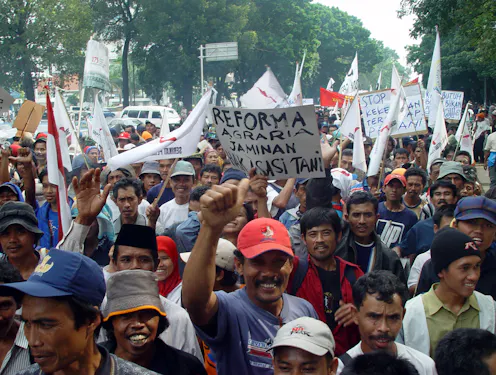
The right strategies, using agrarian or adat justice, can settle conflicts in favour of local people and indigenous peoples.