

Caregivers shouldn’t have to impersonate the older adults they care for just to help pay some bills.
Business + Economy – Articles, Analysis, Comment
Displaying 426 - 450 of 2180 articles
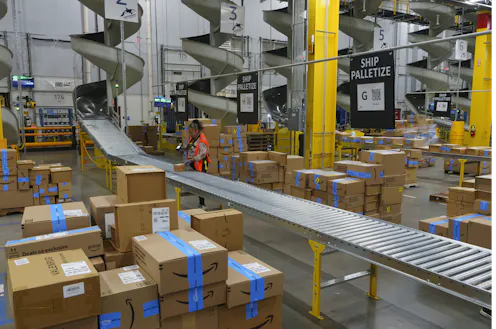
Navigating green differences between friends can be a tricky endeavour. These strategies can help you be a climate leader while keeping your friendships intact.

Canada should consider an export charge on Canadian energy bound for the U.S and applied directly by the federal government. That would impose some unity on Canada’s approach to Trump 2.0.

The slaying of UnitedHealthcare CEO Brian Thompson — and the support his accused killer has received on social media — is similar to previous U.S. manhunts, trials and criminal spectacles.

With burnout remaining a persistent challenge across Canada, remote and hybrid work arrangements provide a meaningful solution.

A way for Canada to reduce its dependency on the U.S. would be to diversify its trading partners, which, in turn, would strengthen Canada’s bargaining position.

Building a circular economy is critical because wasted materials and energy not only damage the environment, but are also growing increasingly scarce and expensive.

The 2025 Immigration Plan aims to cut the numbers of temporary migrants in Canada from 6.5 per cent to five per cent of the population. Instead, it will boost the number of non-status people.

As 23andMe struggles financially, it’s a good time to reconsider issues on privacy, use, and commercialization of genetic information.

Opposition to bottled water has primarily focused on blocking plants and increasing access to tap water. The closure of Ontario’s largest bottled water plant shows that these efforts can succeed.

While the tax break will indeed put more money into consumers’ pockets as the government has claimed, whether it will actually ease inflationary pressure is questionable.

Farmers’ markets provide a host of benefits to both consumers and farmers, but are often overlooked when it comes to creating policies geared toward improving the sustainability of food systems.

New research has found a trouble connection between share pledging by controlling shareholders and the likelihood of corporate misconduct.

Menstrual leave alone cannot address the broader needs of menstruating workers. This is where menstrual flexibility policies come in.

Deep seabed mining is already controversial because of inherent environmental and biodiversity risks. A new study shows that its economic impacts may hit even harder.

Despite its widespread use and significant impact, influencer marketing is surrounded by uncertainties, ambiguities and controversies, both for practitioners and general public.

The incoming U.S. president and his potential cabinet share a track record of sexual abuse allegations and cover-ups. The characteristics that accompany such behaviour don’t bode well for the world.

Poland is enjoying strong growth and has massively increased its military spending. It aims to play a greater role within the European Union.
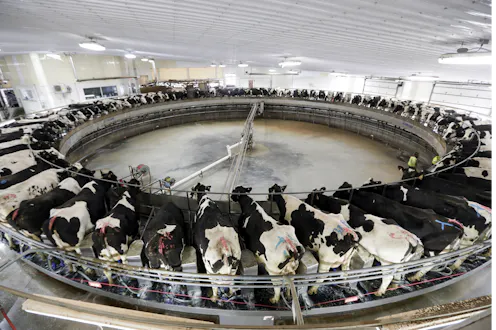
New laws in Canada will make it harder for whistleblowers to shed light on cruelty and malpractice in animal agriculture — and will hinder efforts to prevent the next global pandemic.

Canada and Mexico are two of America’s largest trading partners, and the tariff could have significant economic consequences for all three nations.

Amid Donald Trump’s latest tariff threat, Canada should be asking how a liberal-democratic nation survives next to a much more powerful country with no respect for the rule of law.

Fixing Canada’s housing issues requires a multifaceted strategy beyond funding innovative construction technology. A holistic solution must include policy reforms.

Growing health and wellness consciousness, accompanied by changing social patterns, have sparked Gen Z’s interest in the ‘sober curious’ movement.

The key issue at the heart of the Canada Post strike is the growth of gig work and other forms of precarious labour across the private delivery sector.

Is the increasingly gamified trading environment equipping new investors with the skills and confidence to build a strong financial future, or is it designed to exploit their weaknesses?