
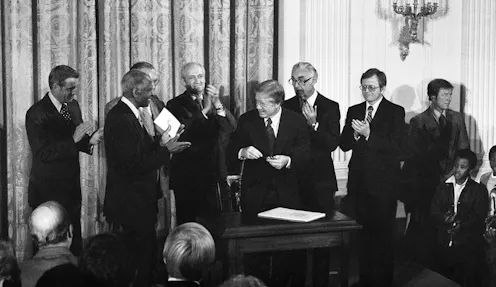
If Republicans manage to achieve a long-standing goal by getting rid of the Department of Education, there wouldn’t be a secretary of education anymore.
Education – Articles, Analysis, Opinion
Displaying 326 - 350 of 2231 articles
Policymakers commonly suggest that teaching to ‘fidelity’ − following a plan word for word − is best for student learning. However, research suggests the opposite is true.
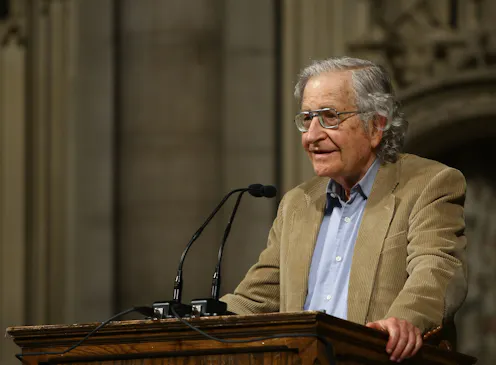
Noam Chomsky’s notion of the human instinct for freedom ties together his many intellectual pursuits, from educating creative, independent citizens to rejecting social and economic hierarchies.
The brain science behind the power struggle between parents and their children.

A course explores how ancient apocalypses find their way into movies and TV shows.
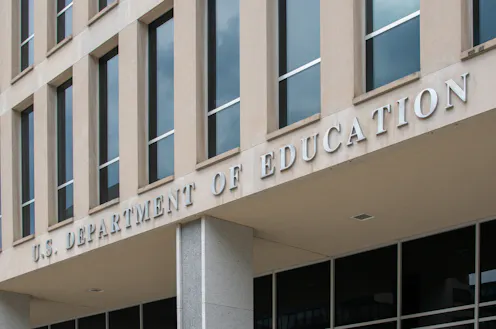
Donald Trump stated during his comeback campaign that he’d dismantle the Education Department if elected. Will Linda McMahon, his nominee for secretary of education, lead the way?
Screen time is more than just hours spent on devices. By studying diverse digital habits, researchers can help people adopt a balanced approach to technology.
The new curriculum is grounded in research on how kids best learn to read. But it will take teachers time to learn which lessons work best for their classroom.
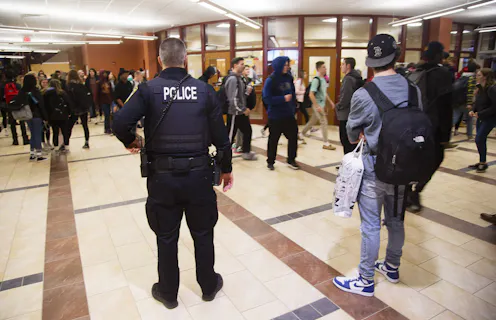
The presence of police in schools has grown in the past 30 years. But research shows that these officers may not be the most effective method for deterring violence.
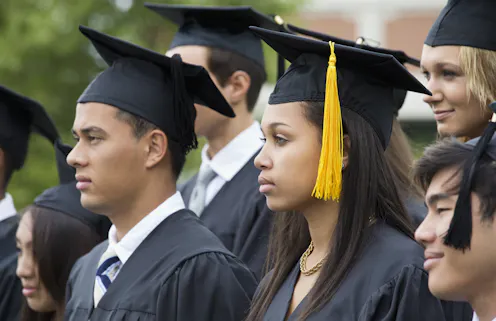
A year after the Supreme Court banned race-based admissions, students’ choices and college policies have affected a view of its impact.
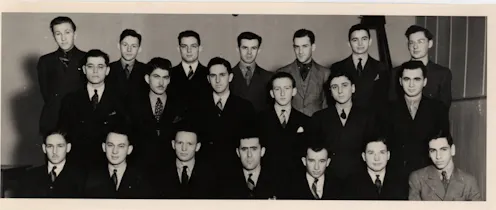
Universities have an important role in Jewish American history – highlighting both deep-seated prejudice toward Jews and Jewish students’ paths toward acceptance and assimilation.
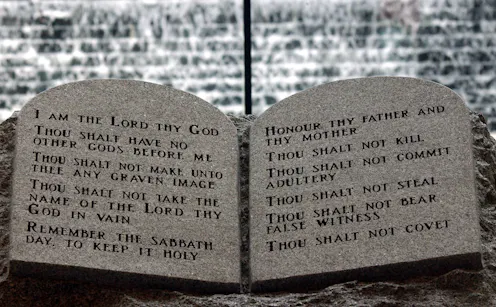
The Supreme Court’s approach toward religion in schools has been shifting, adding to uncertainty about legislation such as Louisiana’s.
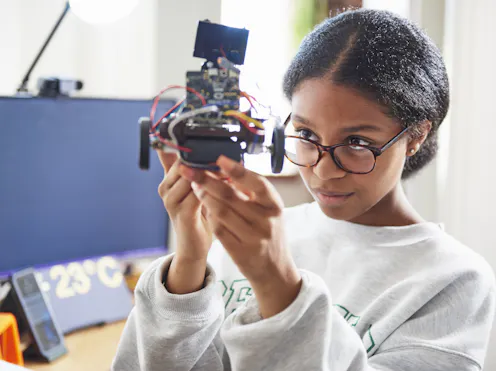
Universities have made little progress diversifying STEM fields in recent years.

Brain-training games may have cognitive benefits, but other challenging activities are proven to help our brains function at their best.
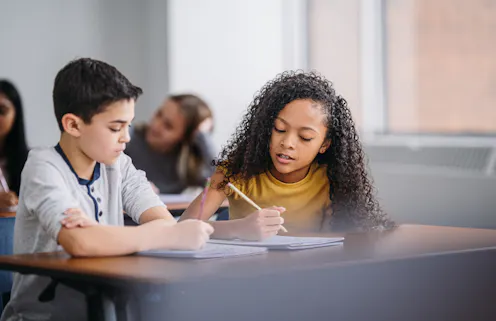
Achievement gaps between white, Black and Hispanic students can be substantially explained by one factor: Their family’s socioeconomic status.
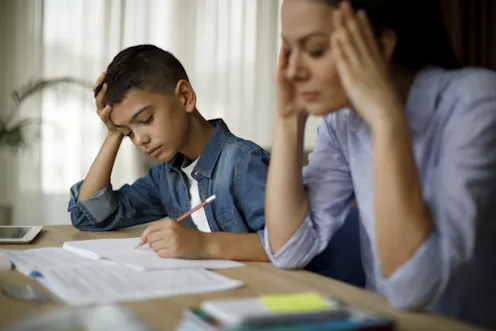
When talking about a child’s diagnosis of dyslexia, mothers rely on metaphors. A closer look at these metaphors reveals much about how schools can better help them.
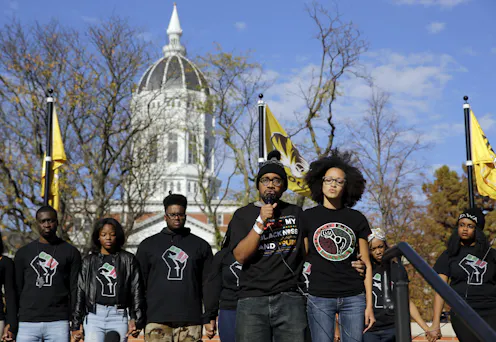
A history course created amid the upheaval of the Black Lives Matter movement invites students to have honest conversations about race. Now in its seventh year, it uses music to build bridges.
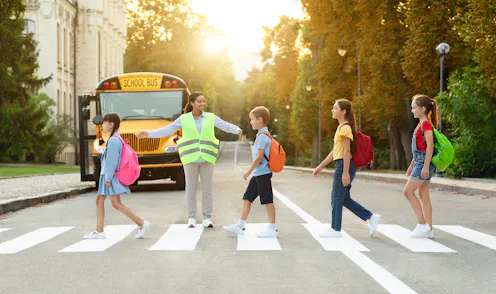
Two researchers examine how students’ behavior changes when cannabis becomes more accessible in the area around their school.
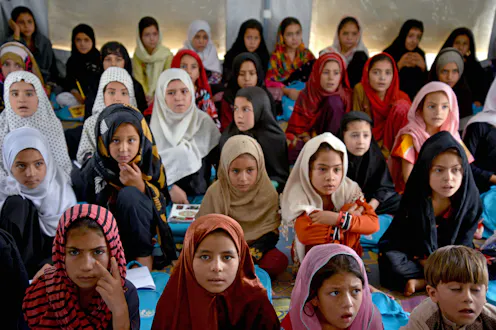
The Taliban are increasing religious education and removing lessons about the arts, culture and human rights – moves that will shape the future for millions of Afghan students
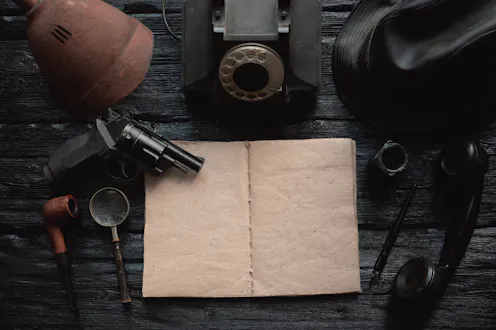
Can stories about detectives from days gone by help students learn to think more critically? An English lecturer provides clues through a course that features novels about sleuths from a bygone era.
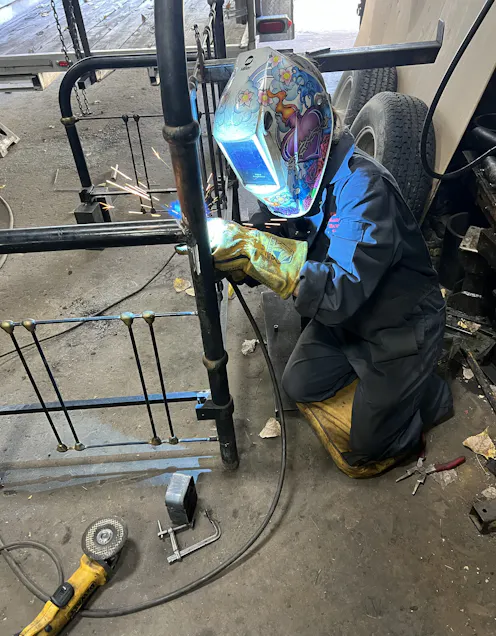
Being a woman in a welding and fabrication shop means finding workarounds for getting tasks done.
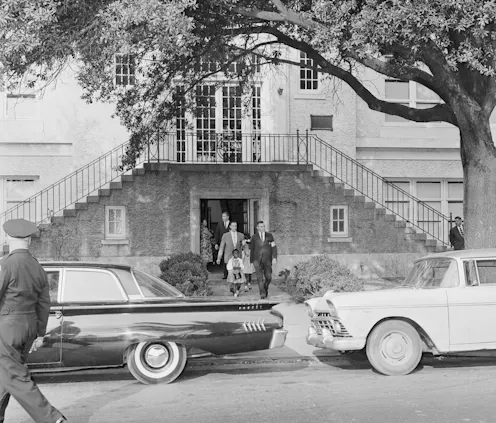
On Nov. 15, 1960, four Black first graders desegregated New Orleans schools. One of them was Tessie Prevost, who died in July 2024 with the promises of the post-Brown era still unfulfilled.
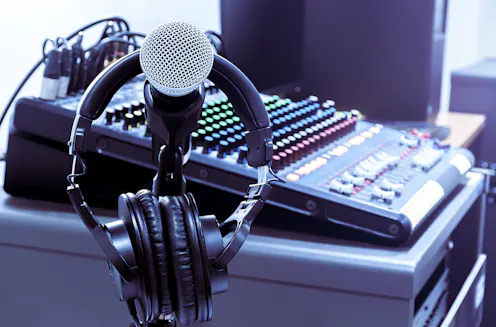
Should a rap album be counted as a scholarly work? We asked a scholar who makes hip-hop and hit the recording studio to earn his Ph.D.
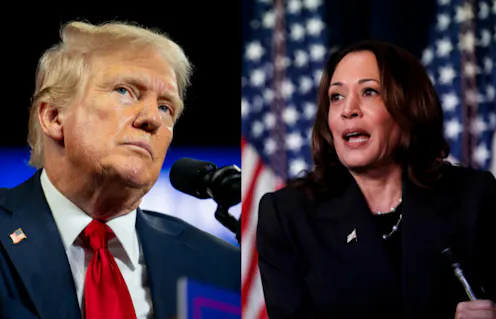
One candidate has gone after for-profit colleges. The other has tried to loosen restrictions. What else does the record show about what Donald Trump and Kamala Harris have done on education?

Researchers asked math teachers why certain groups do better at math than others. The teachers had different answers for different groups.