
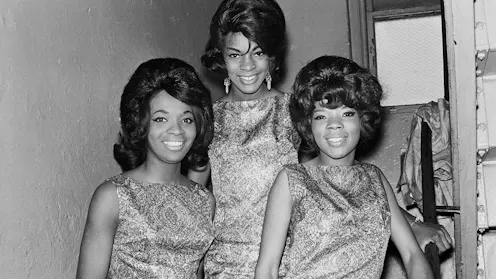
Classic songs ‘Nowhere to Run’ and ‘Dancing in the Street’ captured the revolutionary spirit of the Civil Rights Movement in the 1960s.
Arts + Culture – Articles, Analysis, Opinion
Displaying 101 - 125 of 2160 articles

By letting people make choices and experience the outcomes of those choices, gaming provides a much more hands-on way of learning about health.

In ‘1984,’ George Orwell envisaged a world in which books were a mass-produced commodity no different from ‘jam and bootlaces.’

Going to the Moon isn’t just about science. Novelist Jules Verne predicted some of the societal ramifications modern lunar missions are creating today.

US presidents haven’t usually sought to impress their own architectural tastes – much less their names while in office – on national monuments.
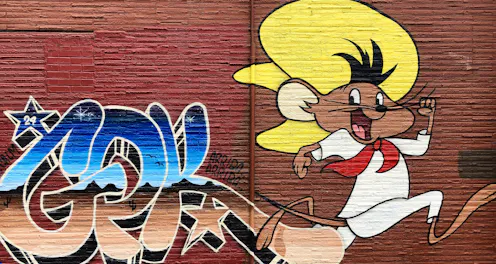
The comeback story of ‘the fastest mouse in all of Mexico’ reveals how audiences – not cultural gatekeepers – shape the meaning of representation.
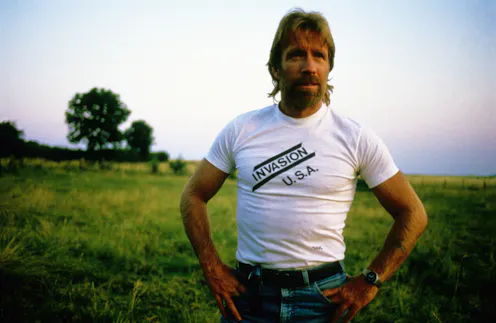
The action star’s death forced fans to reckon with his strange legacy: a real person with a complicated past, and a meme that made him into an immortal symbol of exaggerated masculinity.
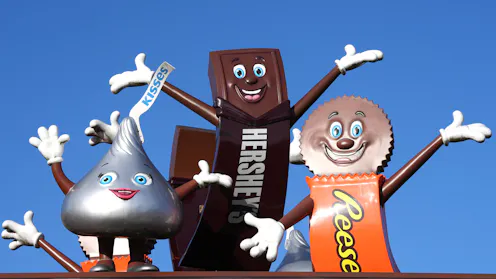
Hersheypark underwent a total transformation in the 1970s, when candy mascots and thrill rides replaced barn animals and old-timey recreations of Tudor England.

In an era of billion-dollar TV deals and million-dollar payments to players, the tax code continues to treat university athletic departments as organizations that promote education and amateur sports.
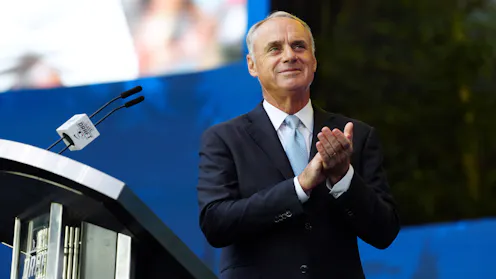
For over a century, baseball rejected gambling to preserve the game’s integrity. Now, MLB Commissioner Rob Manfred says embracing gambling will do the same.
While media outlets are signing deals with Polymarket and Kalshi for their insights into the wisdom of crowds, gamblers are pouncing on opportunities to wager on geopolitics and celebrity weddings.

The backlash reveals a strain of snobbery that confuses manufactured fun with a lack of meaning and authenticity.
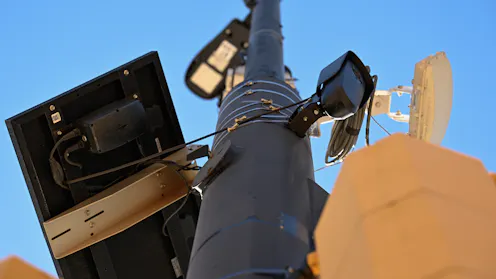
What began as a tool to identify threats to national security is becoming a surveillance infrastructure that can be used to track everyone.

Has our culture’s begrudging acceptance of ghostwriting paved the way for everyone – not just the rich and famous – to offload the hard work of writing?

A linguist explains what makes human English human, and why you shouldn’t overdo it with large language models.

Policy and legal efforts aim to stop these malicious security breaches, but they are growing more common as hospitals adopt remote health care delivery and hackers adopt artificial intelligence.

Chatbots tend to produce solid writing, but their prose largely reflects a single, uniform voice.

Assuming that sex is the key factor defining physical ability may undersell what many athletes are capable of.
Relationships with real people can involve rejection, awkwardness, time and emotional labor. But in the ‘goonverse,’ desire is predictable, endlessly available and never says no.

Long before Pittsburgh’s modern Irish celebrations existed, Irish immigrants helped shape the city in the 19th century via the railroads, canals and steel industry.

While rationalizing deception is easy to do, developing the virtue of truthfulness is not.
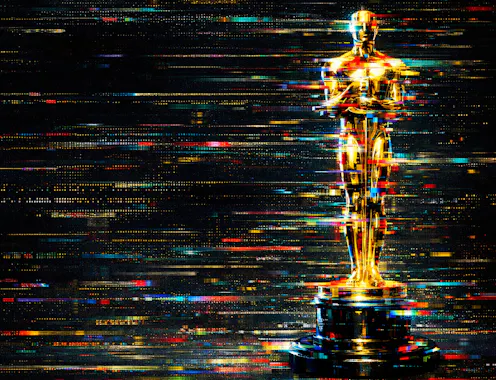
AI tools can now generate movie scenes, resurrect lost footage and replace entry-level jobs – forcing Hollywood to rethink creativity, labor and authorship.
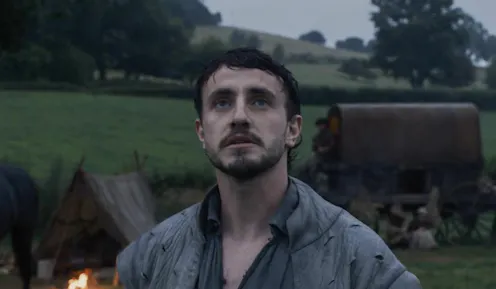
The Oscar-nominated film about Shakespeare’s son explores how men and women mourn differently – and how ‘Hamlet’ may have transformed a father’s private sorrow into enduring art.

The purportedly unique and local feel of coffee shops has instead been homogenized into a singular, palatable aesthetic.

Today’s romance novels spotlight women in control in the bedroom and in their relationships.