
Exchange 2024
Top stories
Exchange 2024
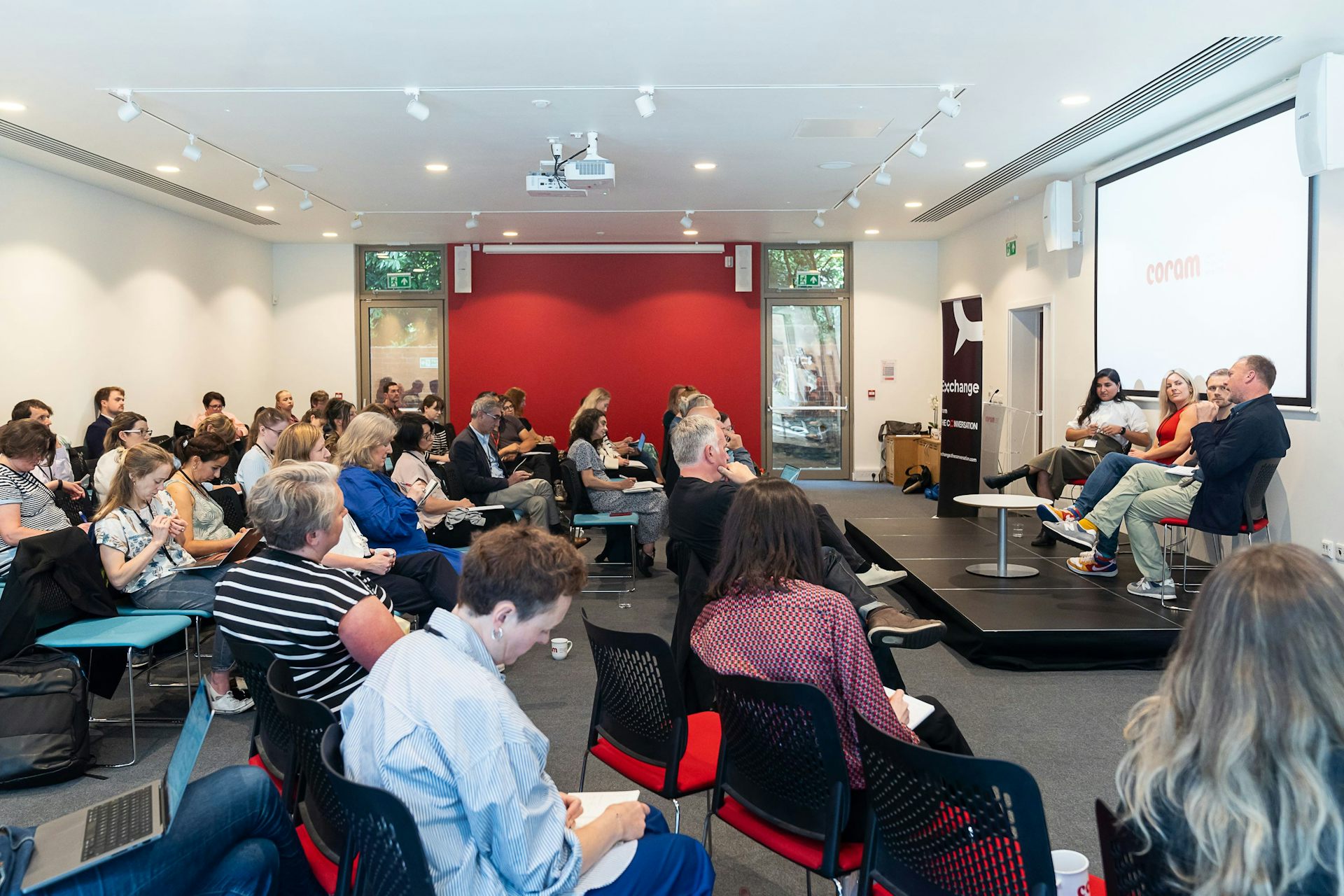
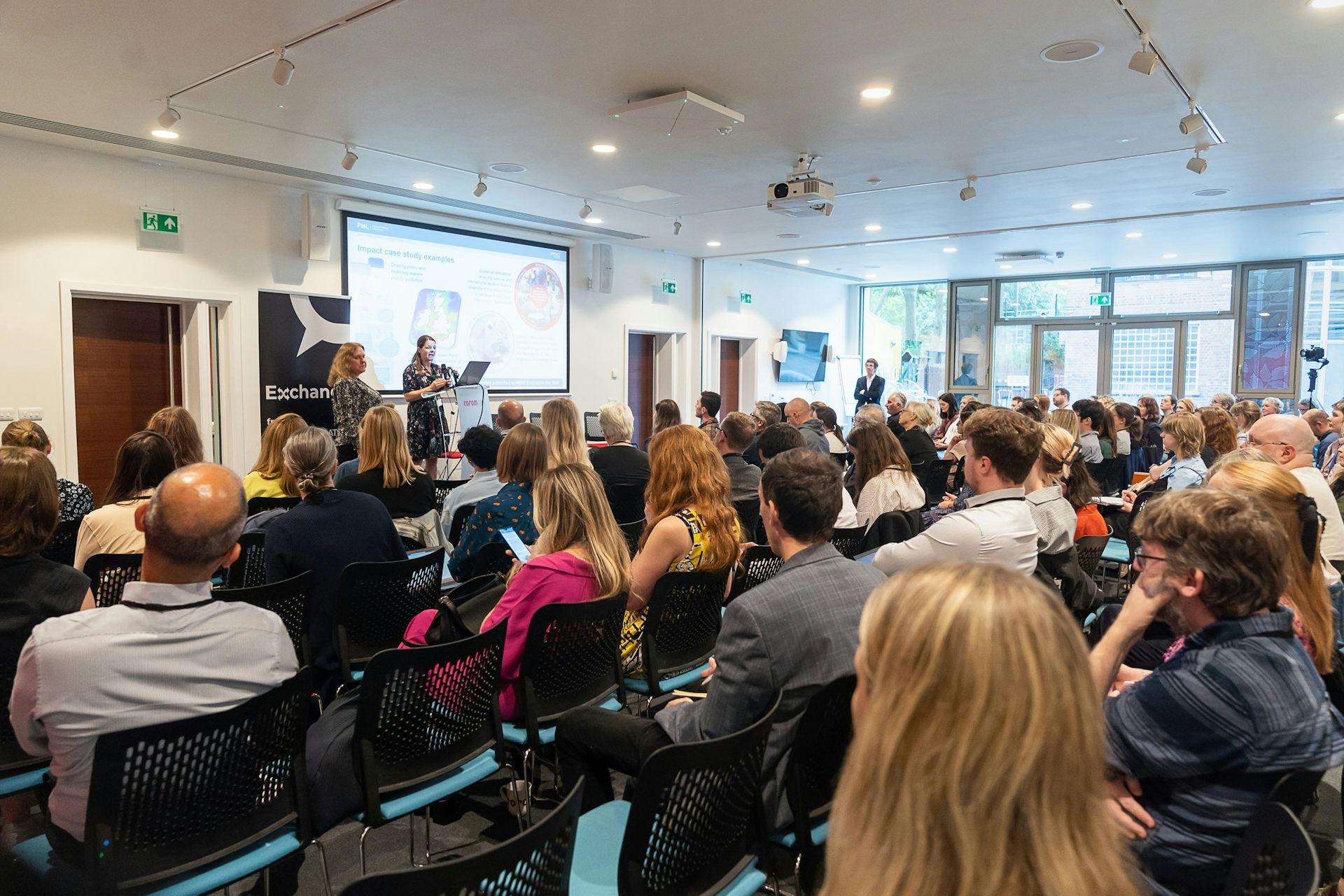
Exchange 2024 took place on a July day in London which began with heavy rain and ended with blue skies. Around 120 attendees and speakers gathered again to discuss issues facing the sector and new ways of working, including attendees from across the UK and also Ireland, the Netherlands, Switzerland and Italy.
See below for an overview of the sessions, download links for the material presented, and links to full video recordings of the sessions (also available on the Exchange YouTube channel).
1. Navigating the world of AI tools available
Andrew Bruce Smith returned to Exchange following last year's successful keynote talk on how artificial intelligence could change university communications.
Taking the stage alongside panellists Nicky Roach, head of corporate communications at Edge Hill University, and Craig Brierley, head of research communications at the University of Cambridge, Andrew zeroed in on a few core AI tools, providing a roadmap of major platforms and tools to test in order to get a feel for what possibilities the tools available could provide.
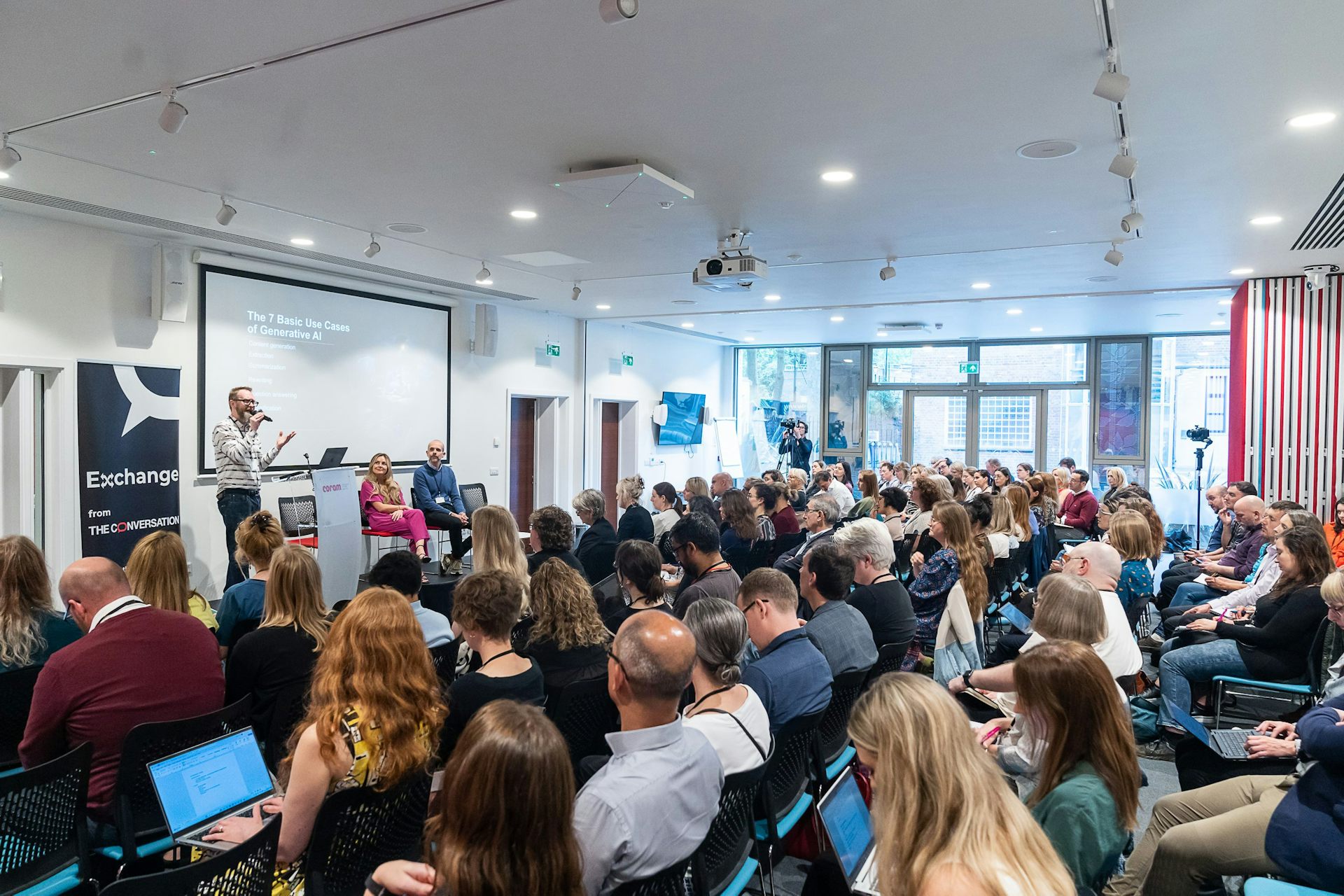
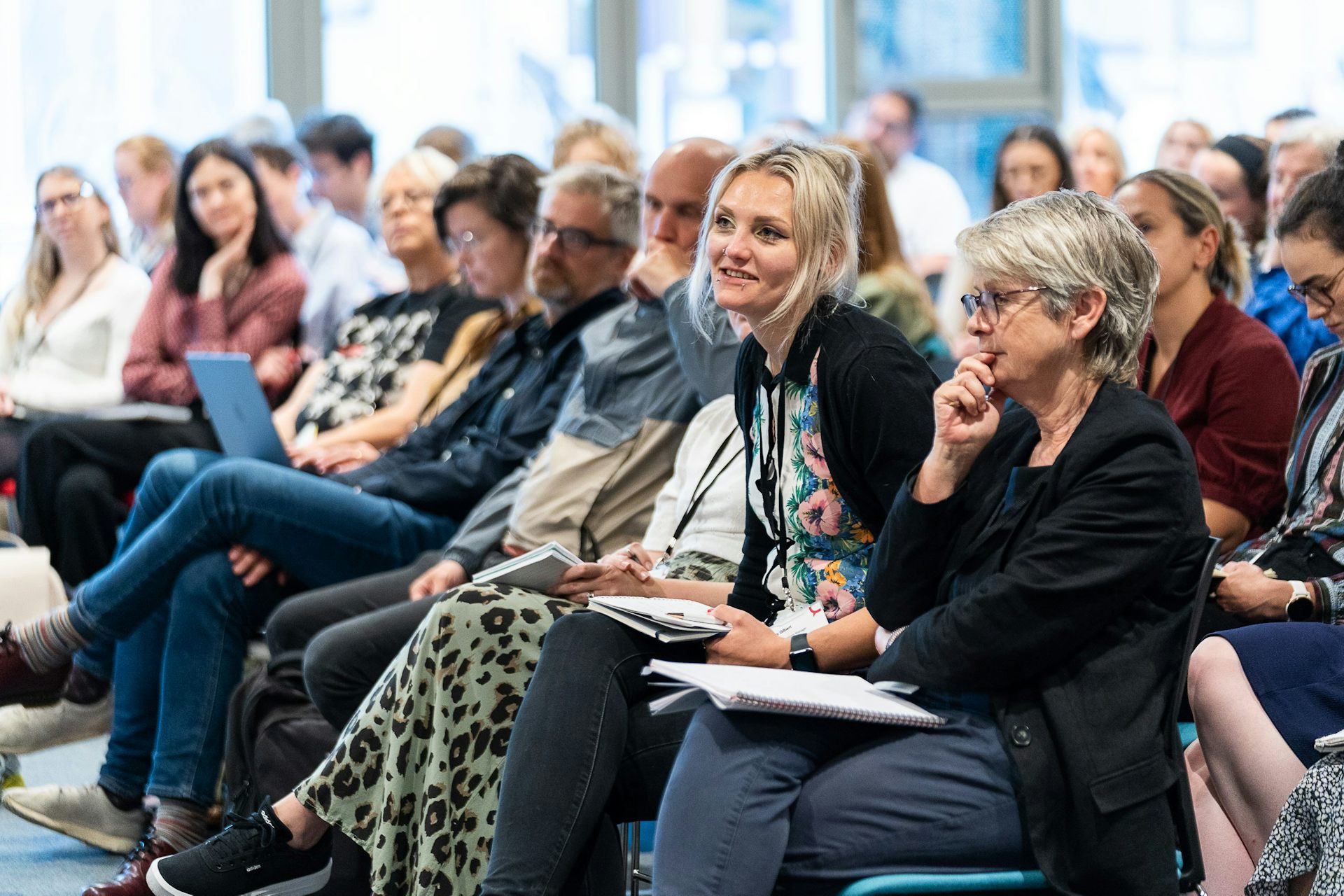
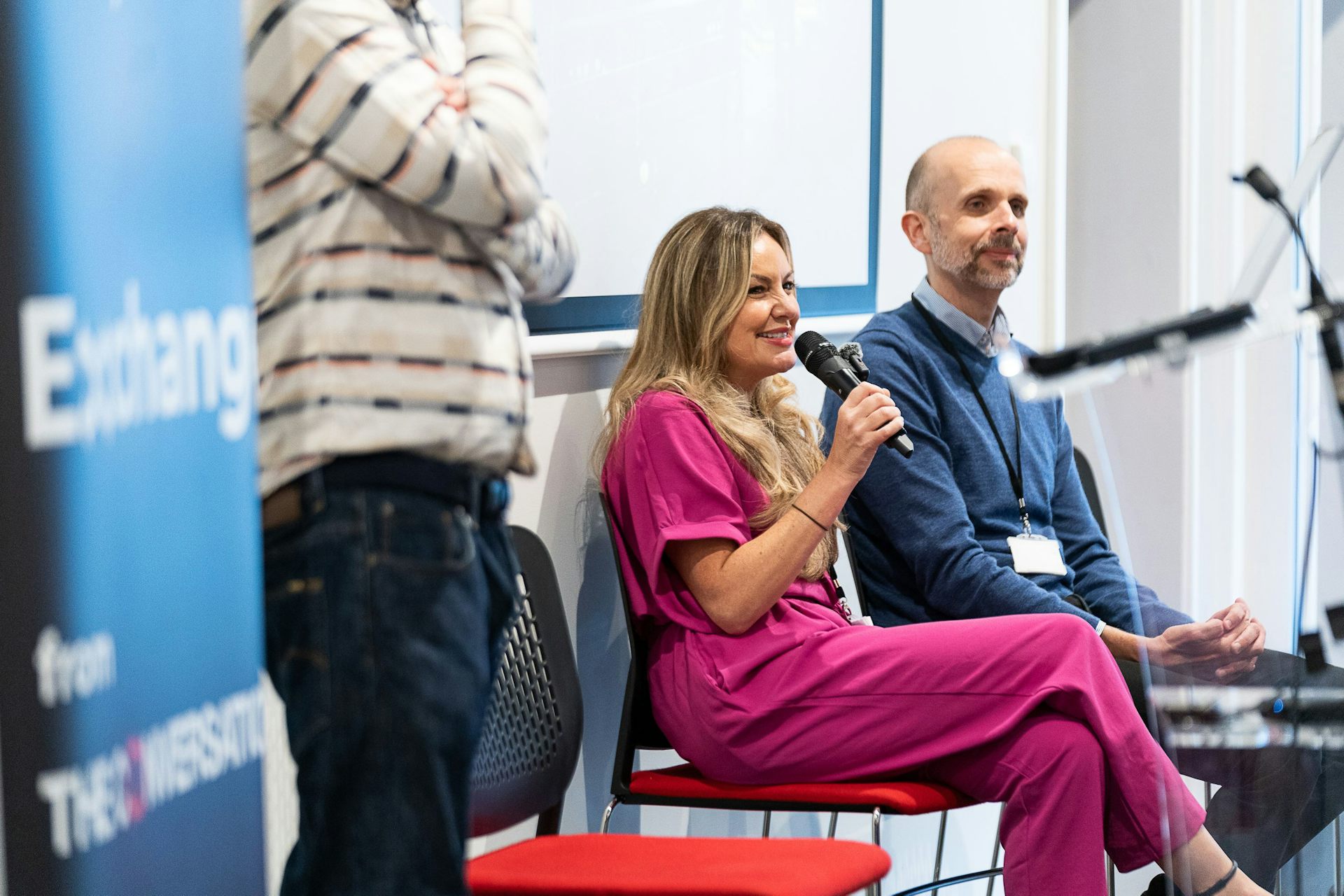
Andrew Bruce Smith's guide to key AI tools
Read the presentationAndrew has kindly provided a video of the presentation slides (download) and a custom Chat-GPT bot which you can interrogate to get facts from the session (link).
Session recording:
2. How to reach Gen Z and younger audiences
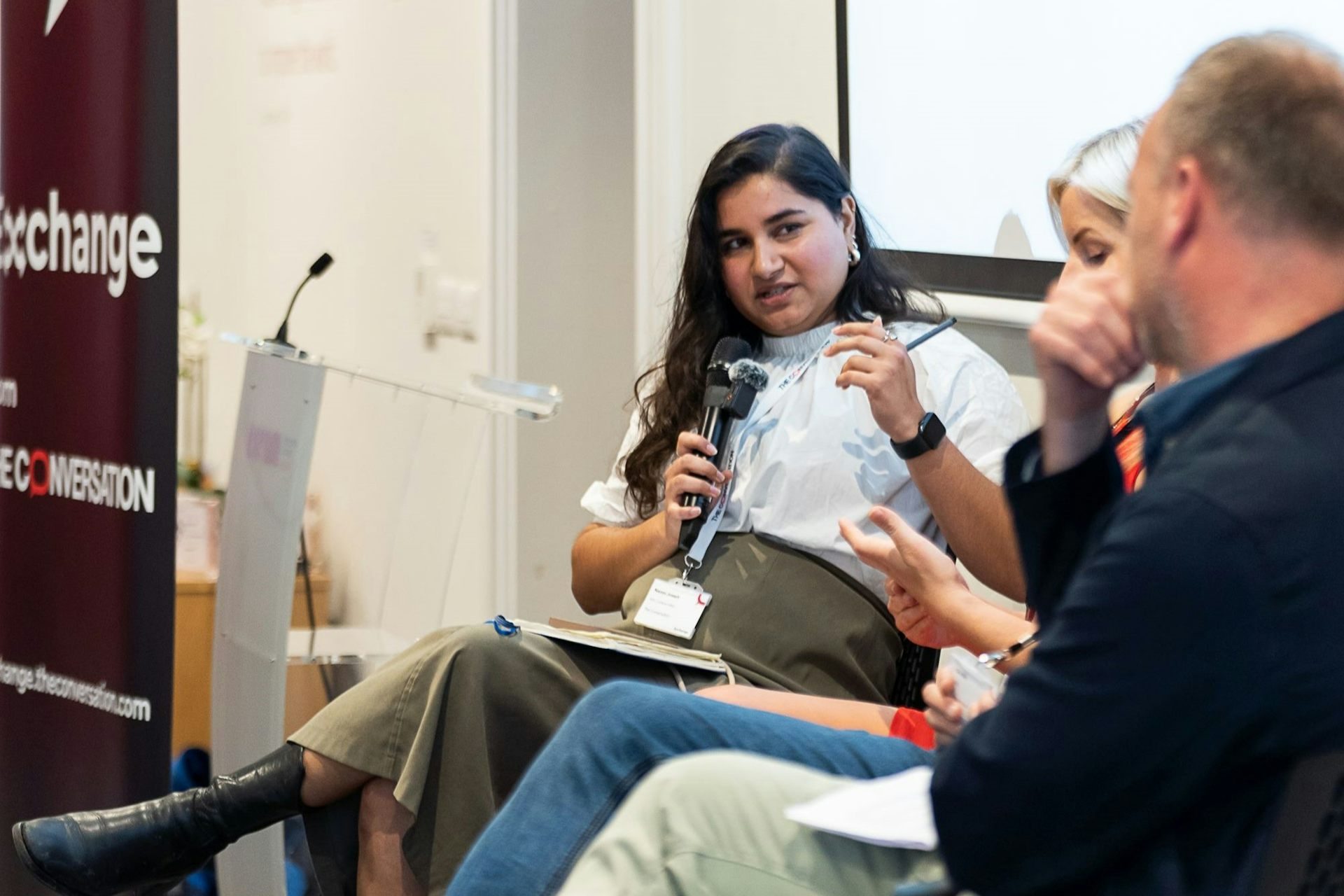
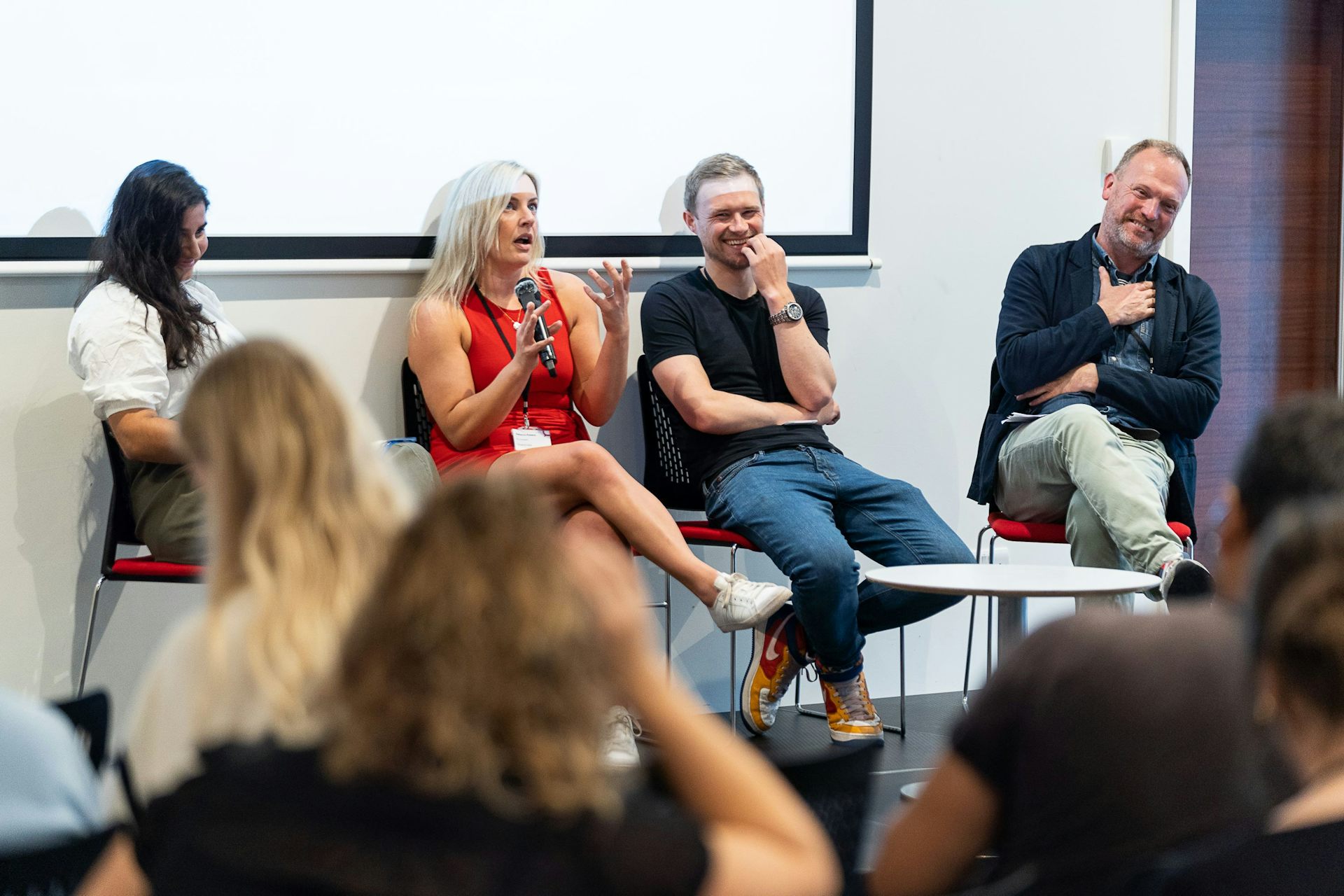
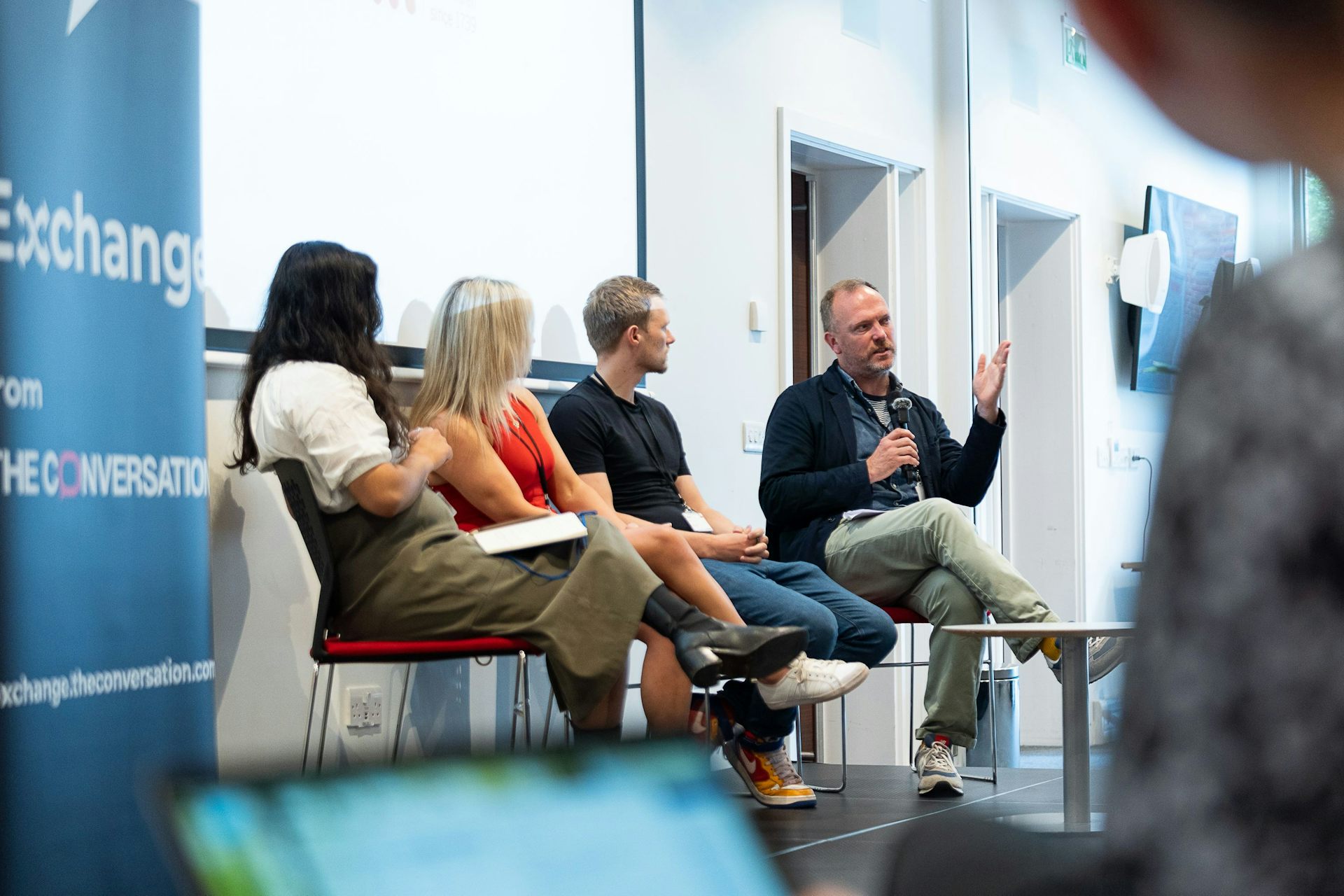
The Conversation's Arts + Culture Editor Naomi Joseph chaired a session on how to reach younger audiences, joined by PR consultant Rebecca Roberts of Thread & Fable, author of a CIPR report on the subject, Oli Hills, CEO of Nonsensical, a comms agency and TikTok specialists from Birmingham, and Jonathan Paterson, managing editor of The News Movement, a youth-first, video-only news channel.
Younger audiences are of perennial interest to media channels because of their potential as future consumers of news products, but of course they're also of vital importance to universities as they represent future students. Young audiences are often hard to reach and with the proliferation of different social media channels, perhaps more so than ever. The speakers dived into discuss techniques to help breach the generation gap and help universities bring Gen Z and younger audiences into the loop in terms of reaching them with the sort of content universities produce.
Session recording:
3. Communicating research to policymakers
We were joined by Huw Edwards, a former-MP who now provides expert advice and training to organisations wishing to improve their interactions with government and the opportunities to get research into the hands of policymakers.
Huw covered the parliamentary processes where research can be useful, and the organisations within parliament through which it can be submitted. Andrew Charlton-Perez, Professor of Meteorology at the University of Reading, gave an account of his experience working with policymakers, and how that had worked for the university.
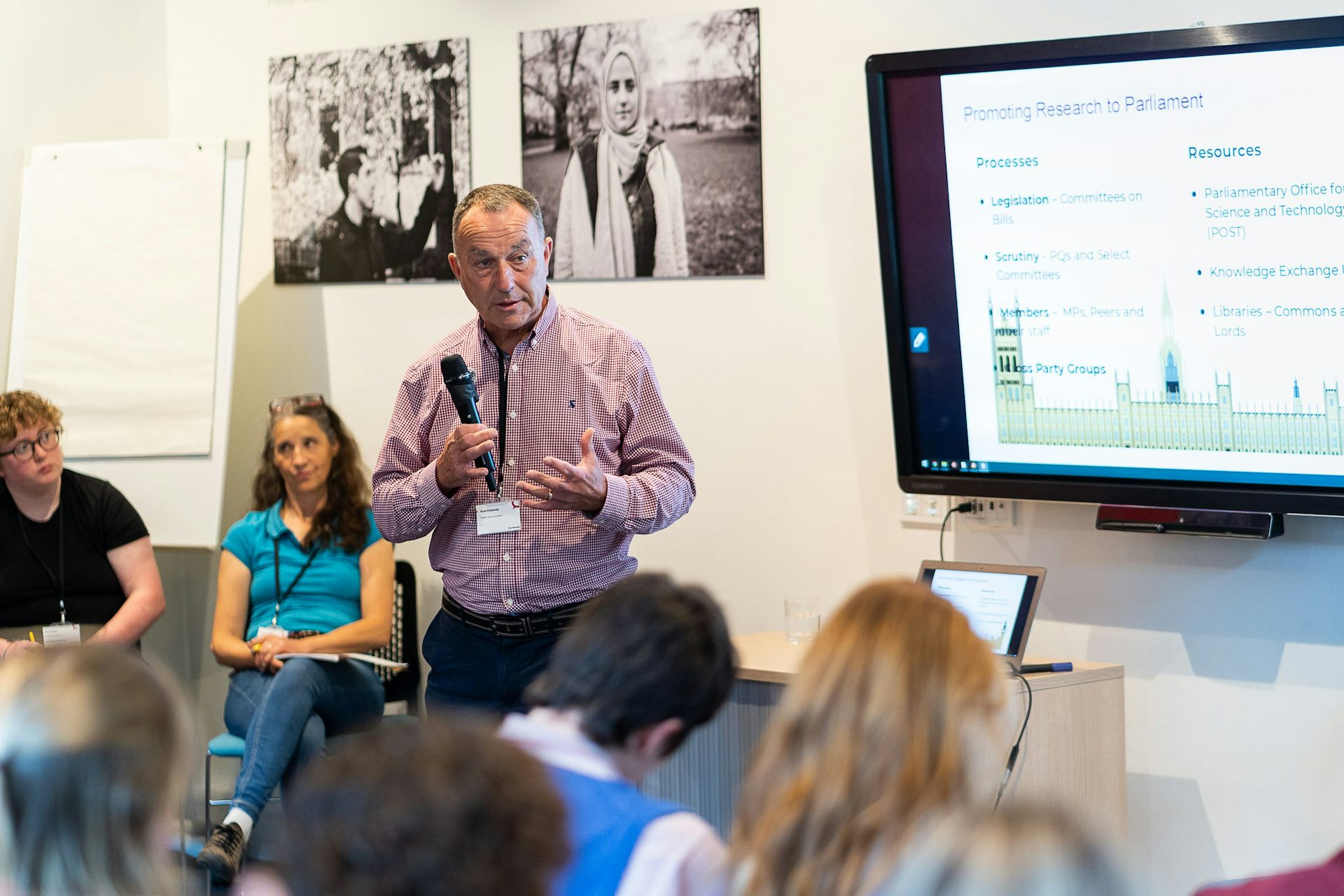
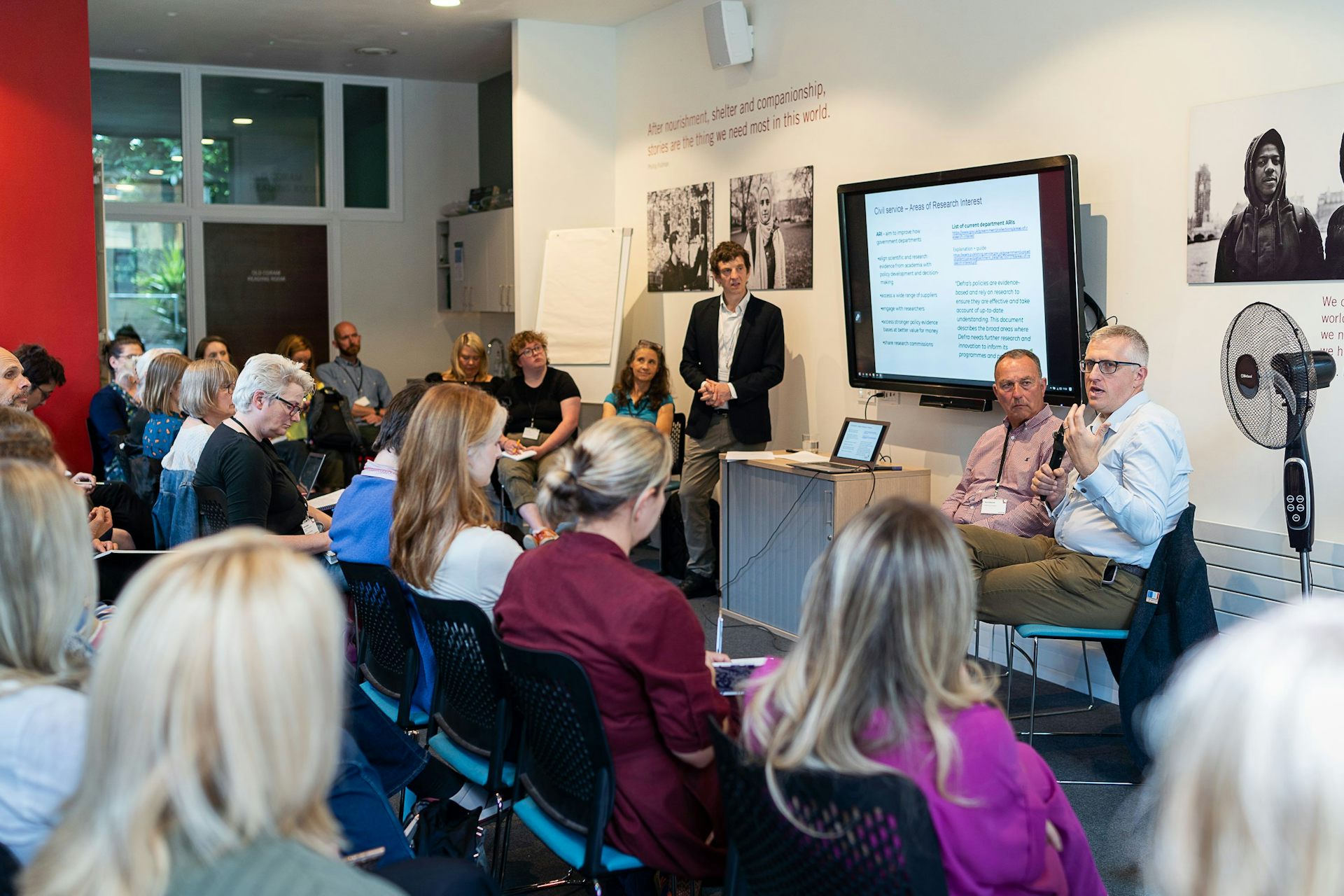
Huw Edwards' presentation on reaching policymakers
Read the presentationSession recording:
4. Engaging academics in research communication
Dr Michael Head, a researcher from the University of Southampton, Andy Tattersall, a communications specialist at the University of Sheffield, and Tadhg Caffrey, head of impact at The Bartlett, UCL, discussed various ways to encourage academics to get involved in research communication, in the broadest sense.
Michael Head discussed the academic/scicomms advocate bridge role created at Southampton, Andy discussed the importance of encouraging open communication and sharing of data and research as a principle, and Tadhg spoke to the need to encourage academics to think about the potential impact of their research at an earlier stage and to work with impact staff and services to ensure that the right preparations are made early enough to ensure the best impact from the work is captured.
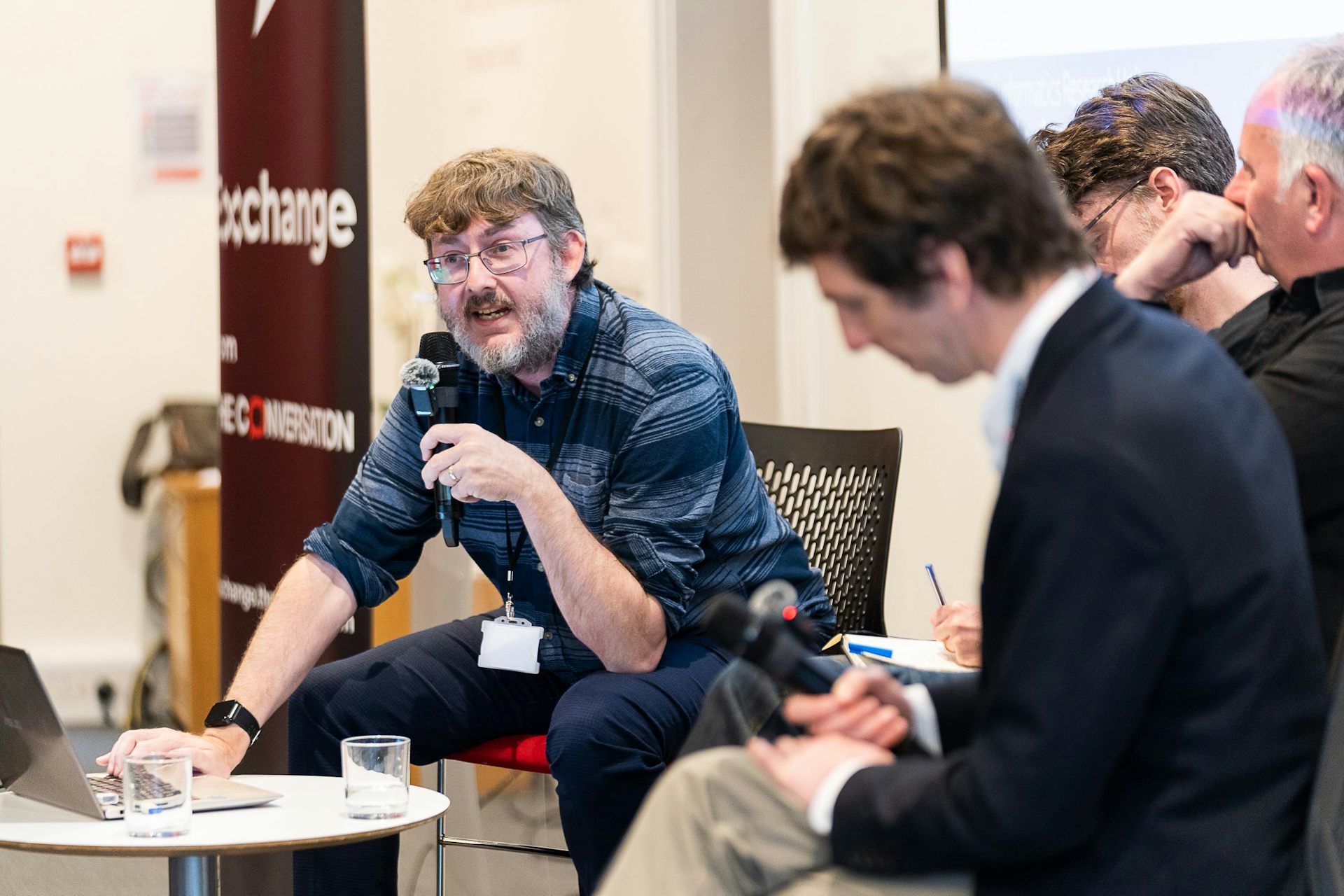
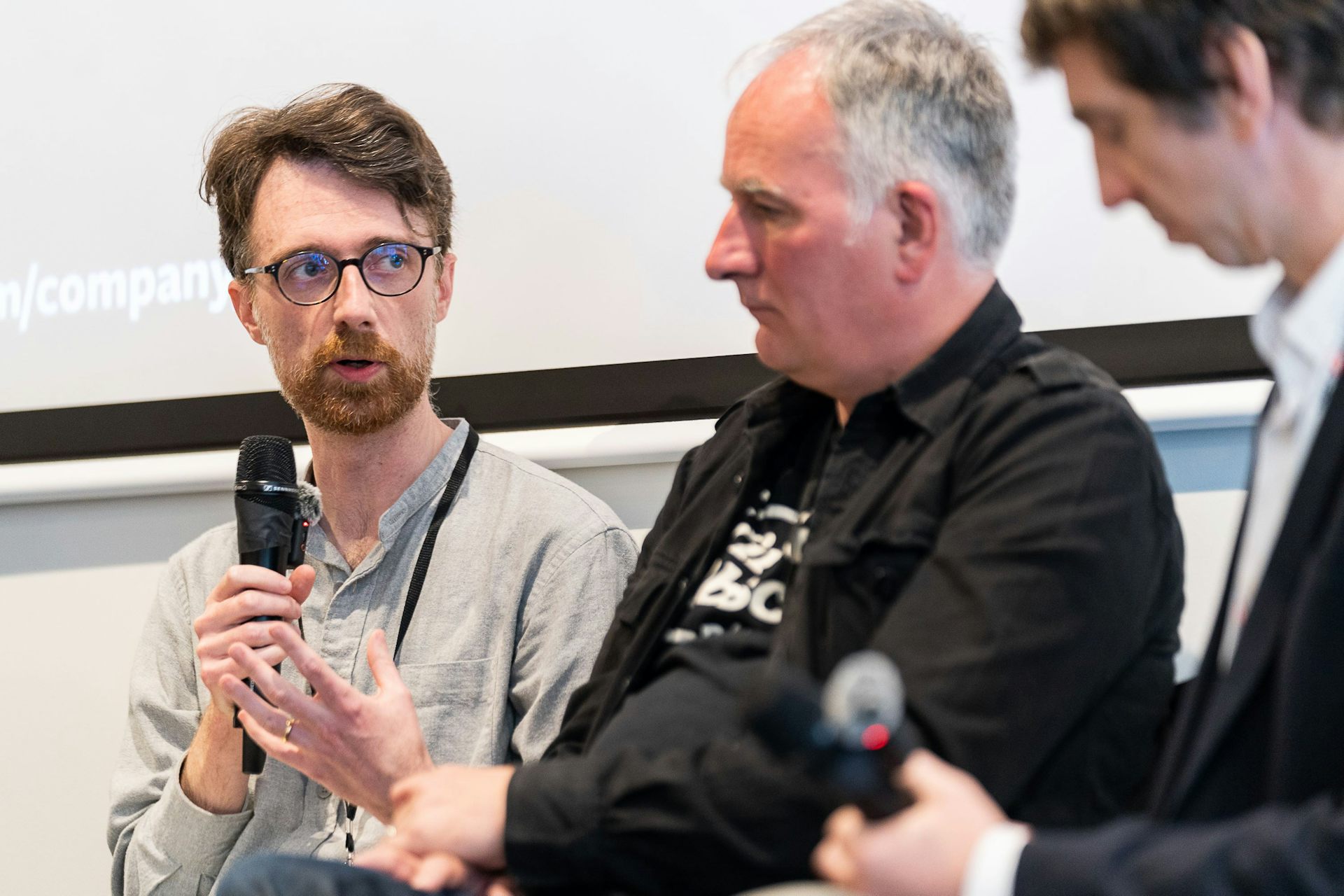
Michael Head's approach to encouraging science communication
Read the presentationSession recording:
5. Joined-up planning for impact
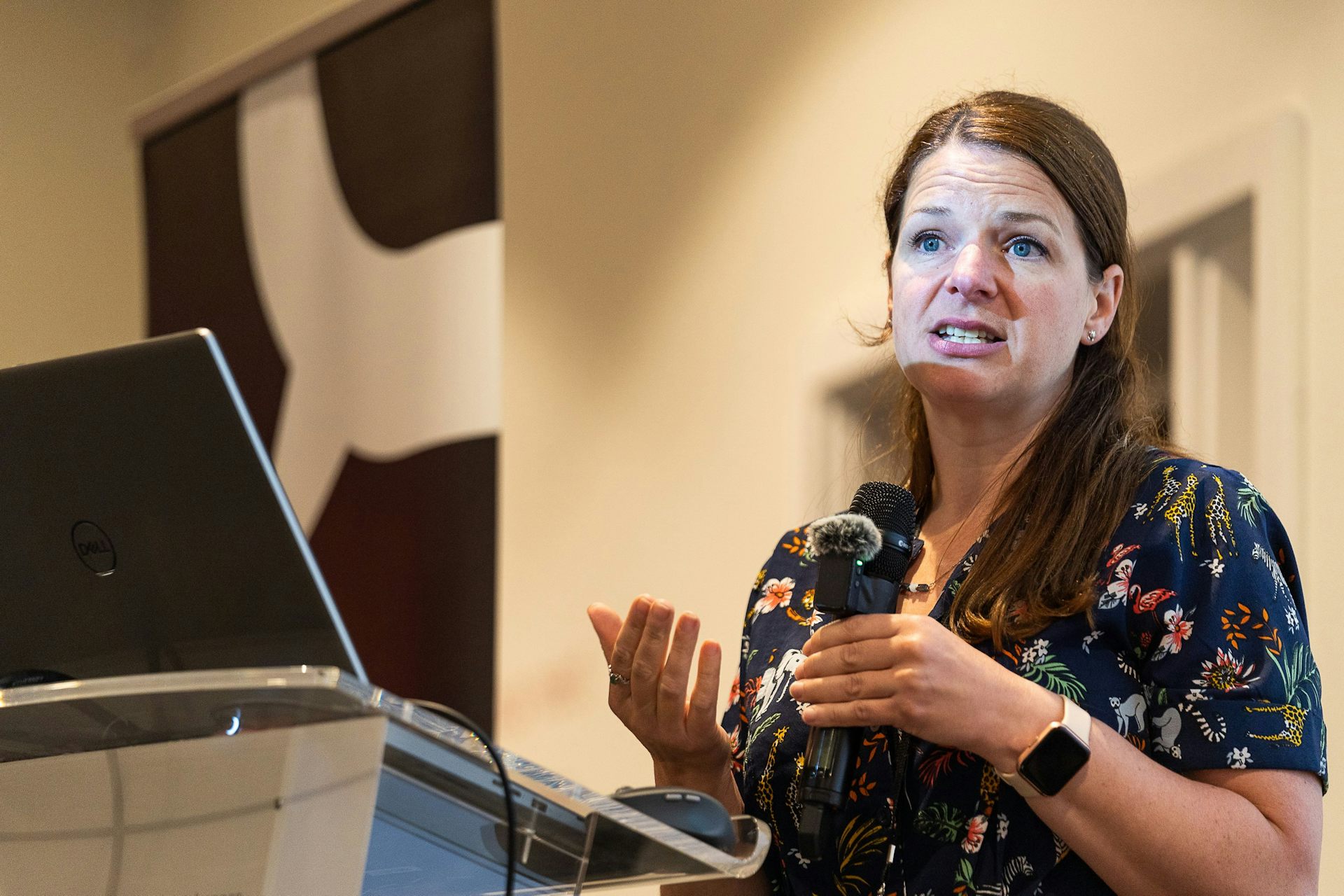
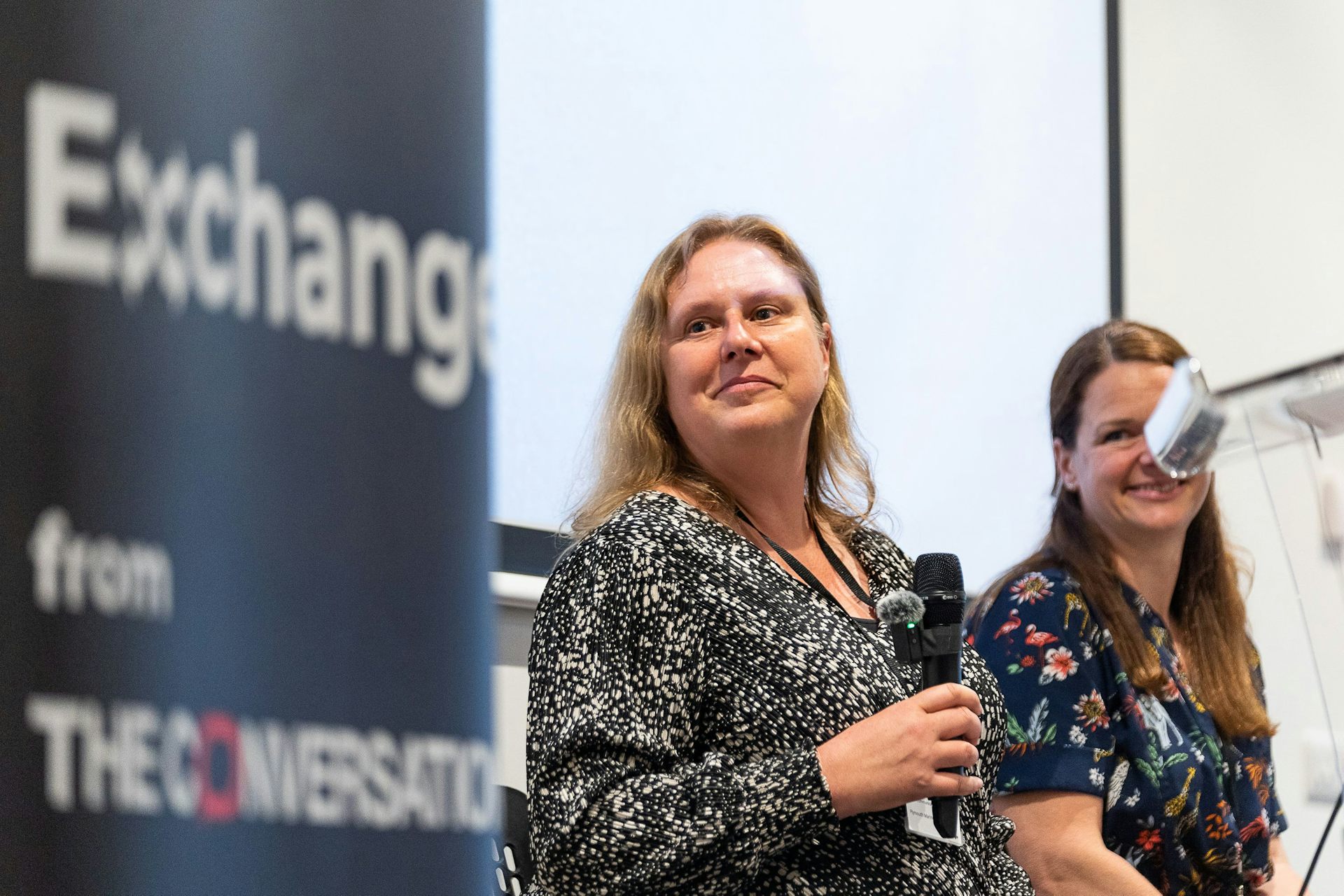
For our afternoon session we heard from Jennifer Lockett, Head of Integrated Research, Impact and Support Services and Dawn Ashby, Senior Communications Officer, both of Plymouth Marine Laboratory. Their impact strategy was commended by Professor Mark Reed, Saskia Gent and other authors of a 2022 study into effective research impact strategies, and here they gave a whirlwind tour of the tactics and strategies involved and how they worked together to produce and implement the strategy.
A joint communications/research impact strategy
Read the presentationSession recording:
6. Workshop: bringing comms and impact teams together
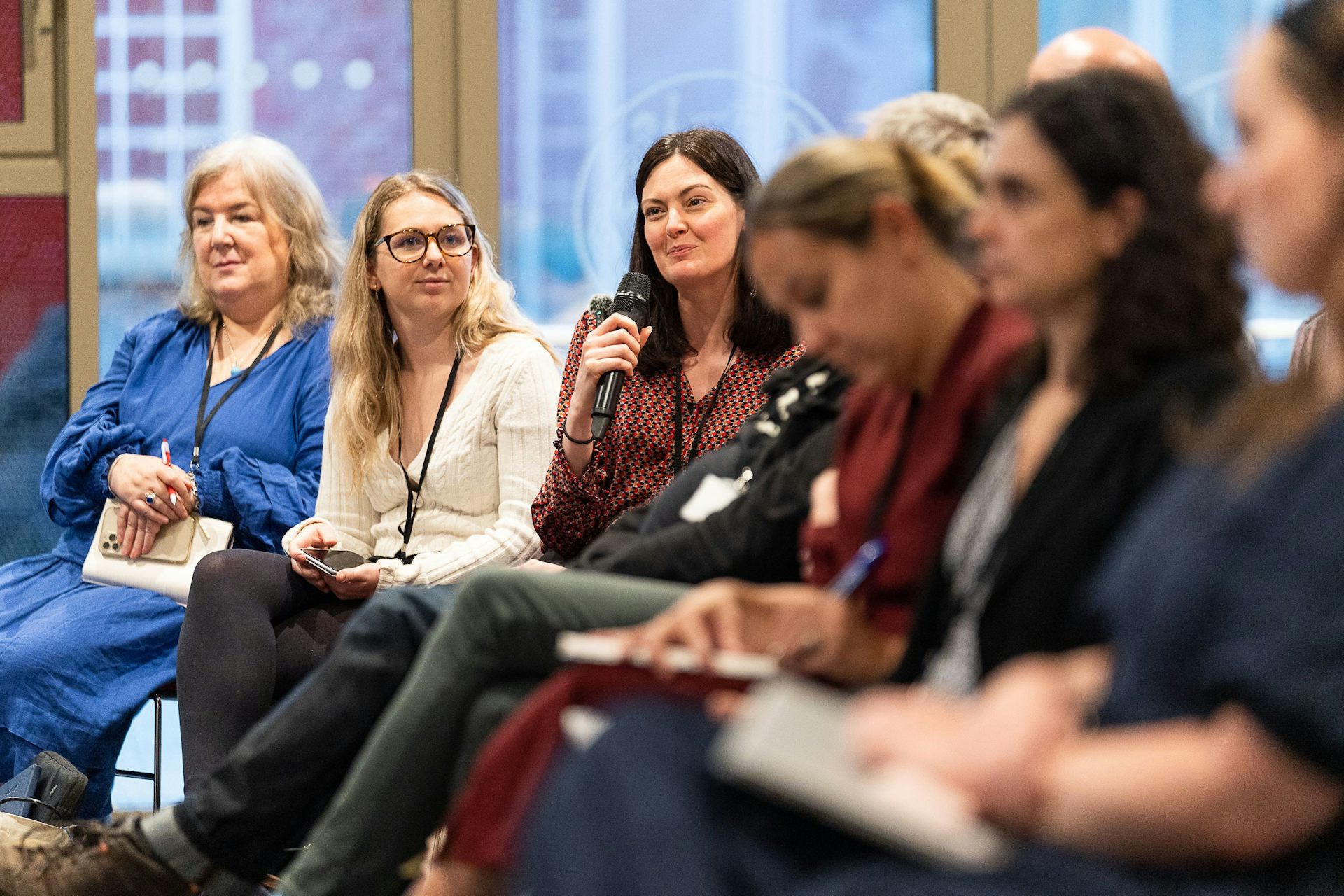
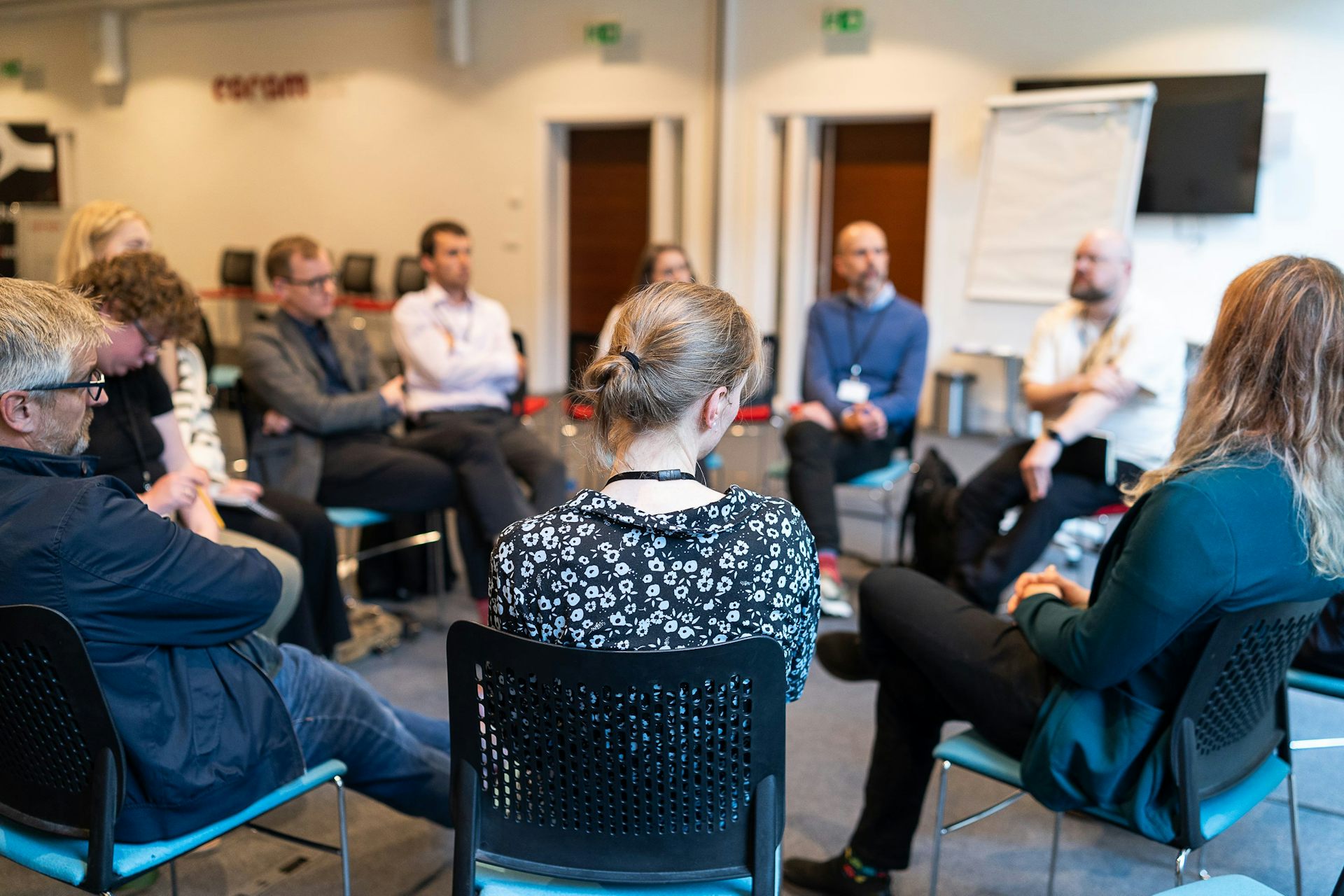
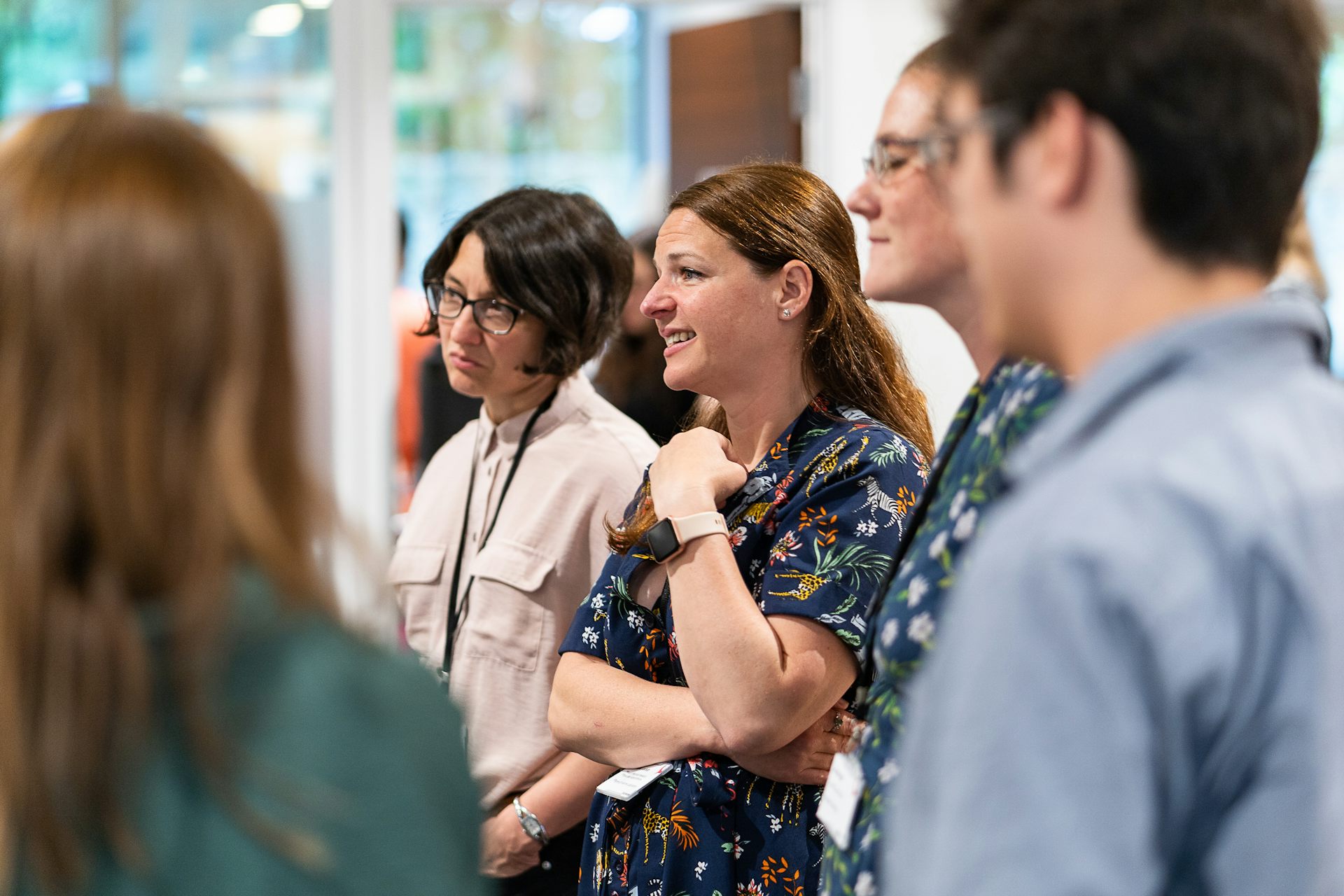
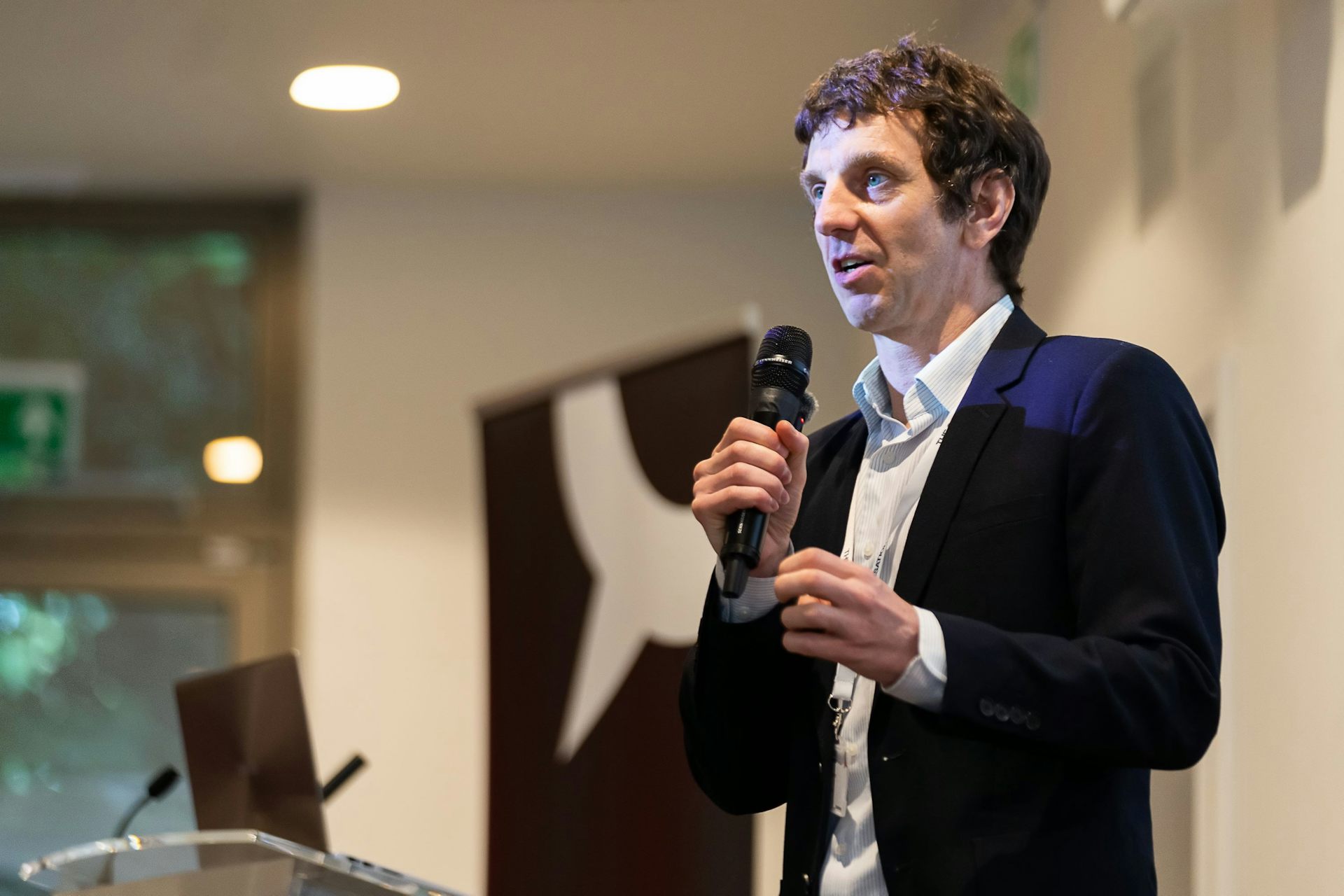
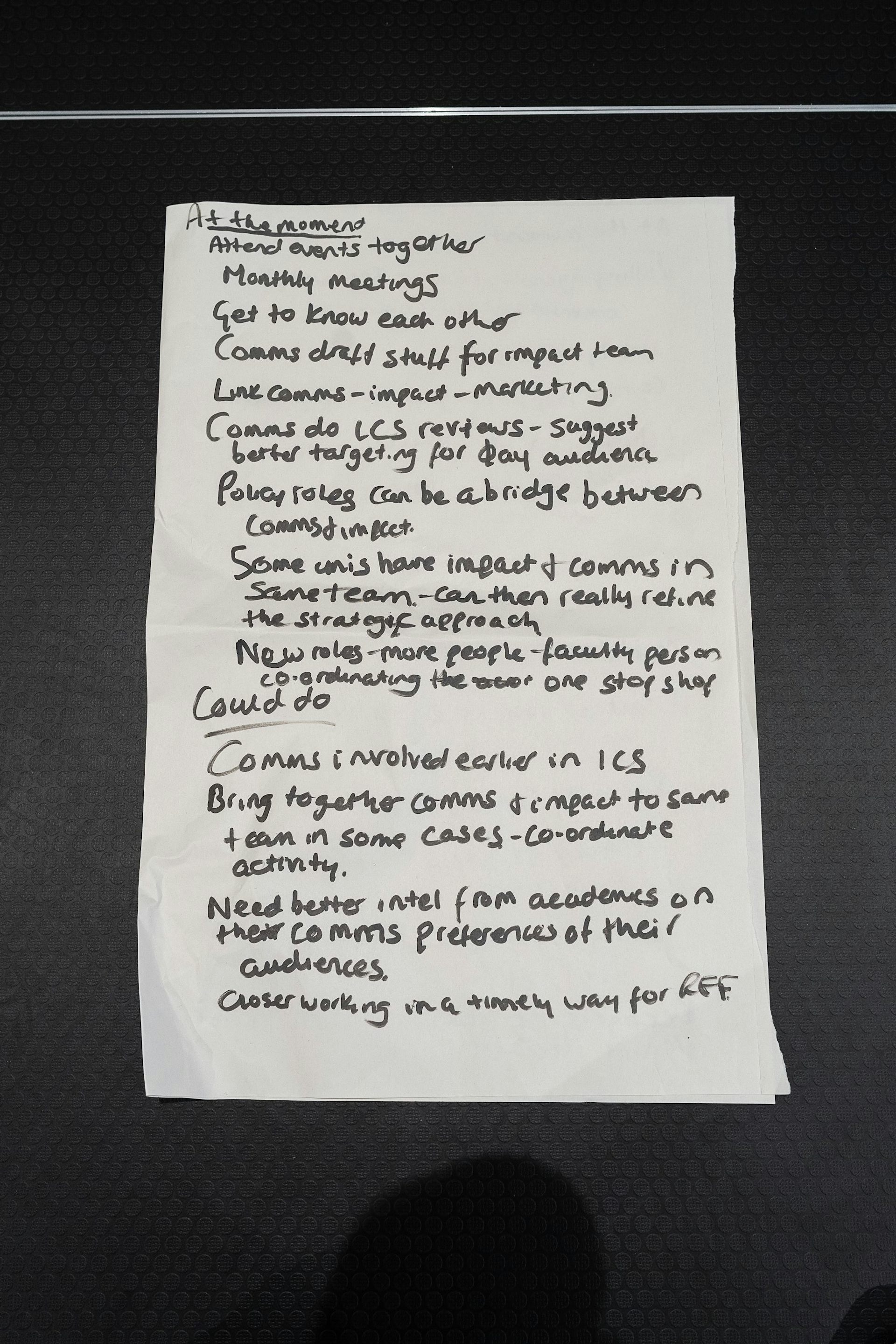
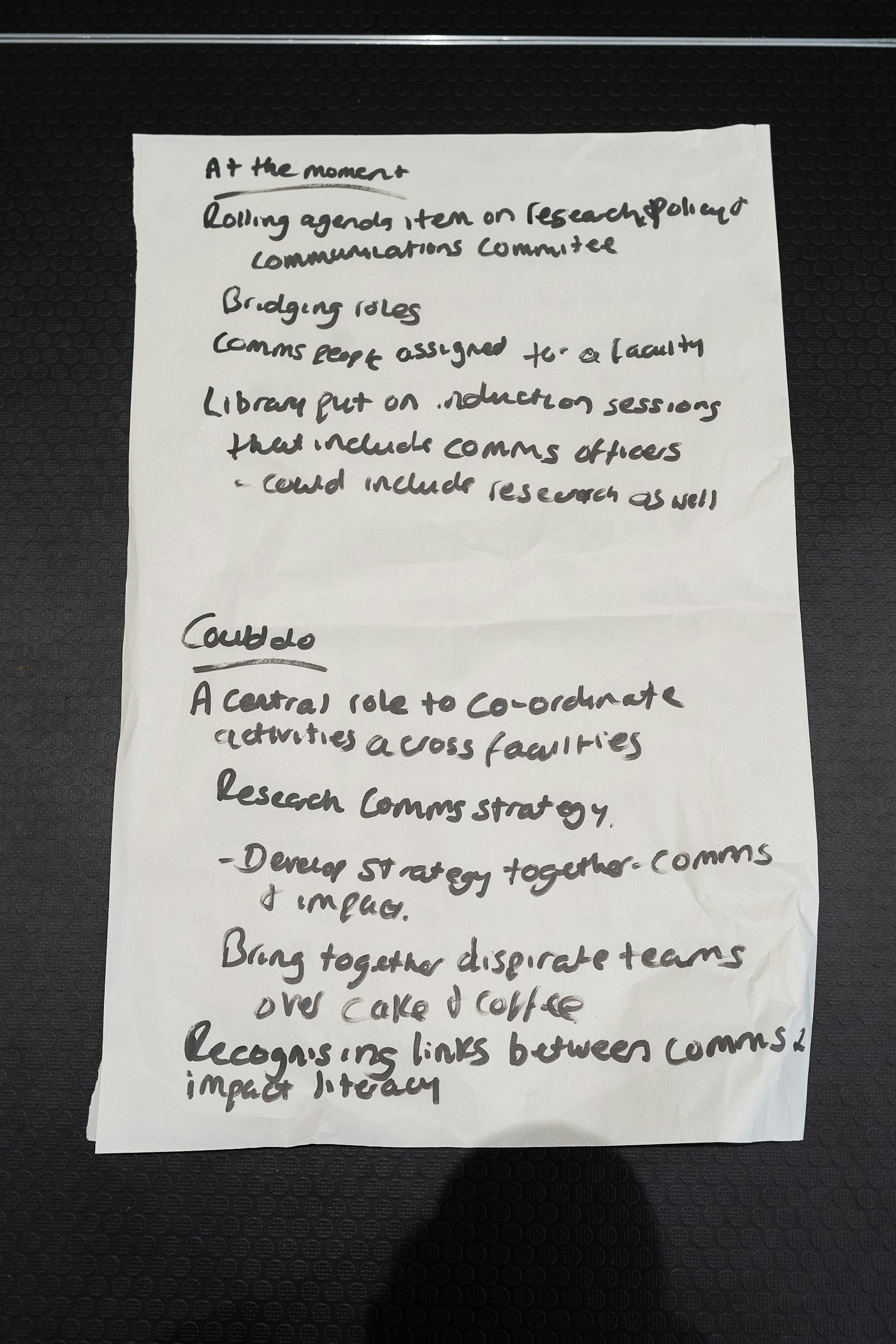
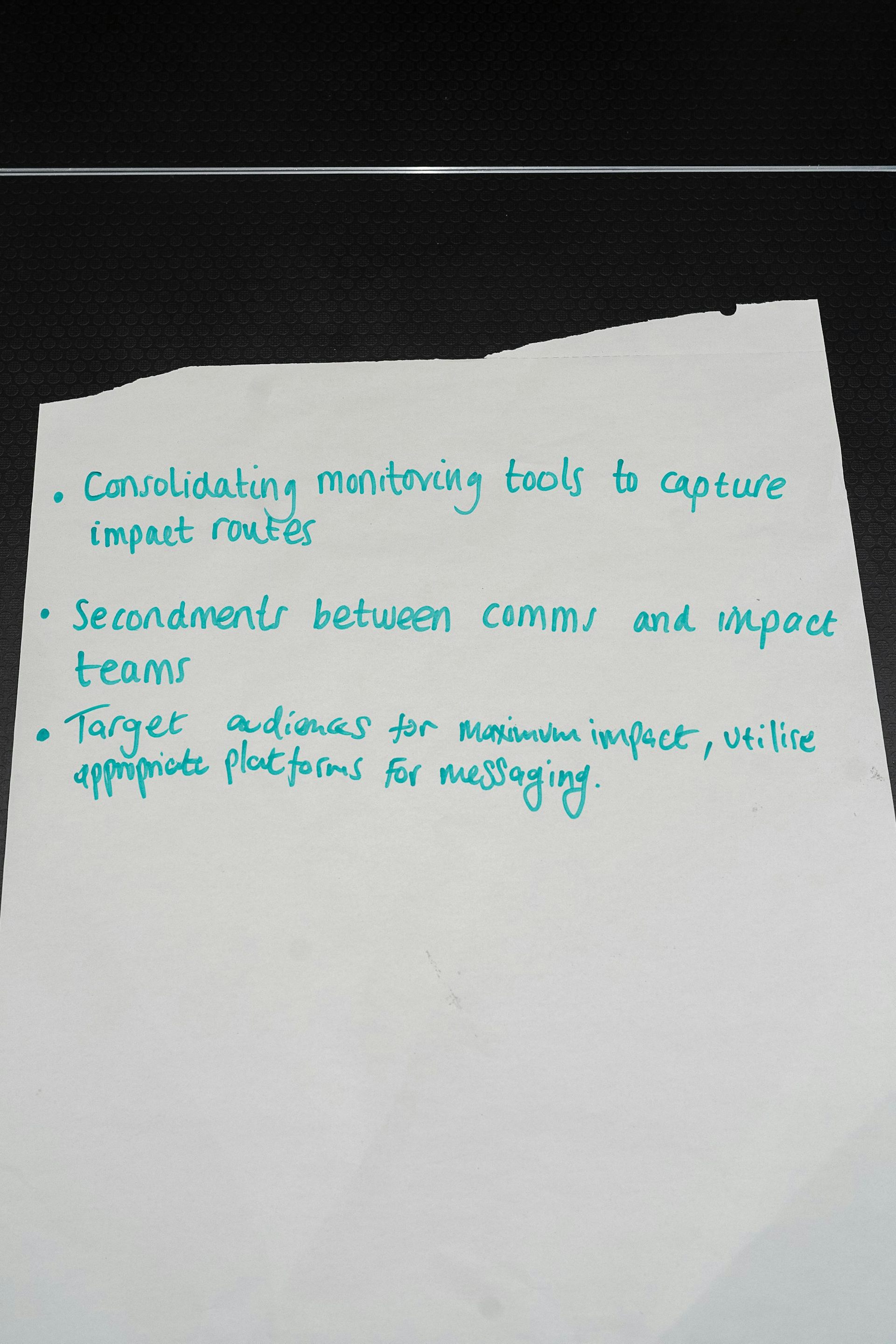
The final session of the day was our workshop session, for which we paired research impact staff with groups of communications staff and split into breakout groups to discuss, inspired by what had been learned from the previous session, how communications and impact teams could work more closely together.
Session recording:
Thank you very much to all the participants and the group spokespeople for sharing your ideas.
Workshop groups' notes: (1) (2) (3) (4)
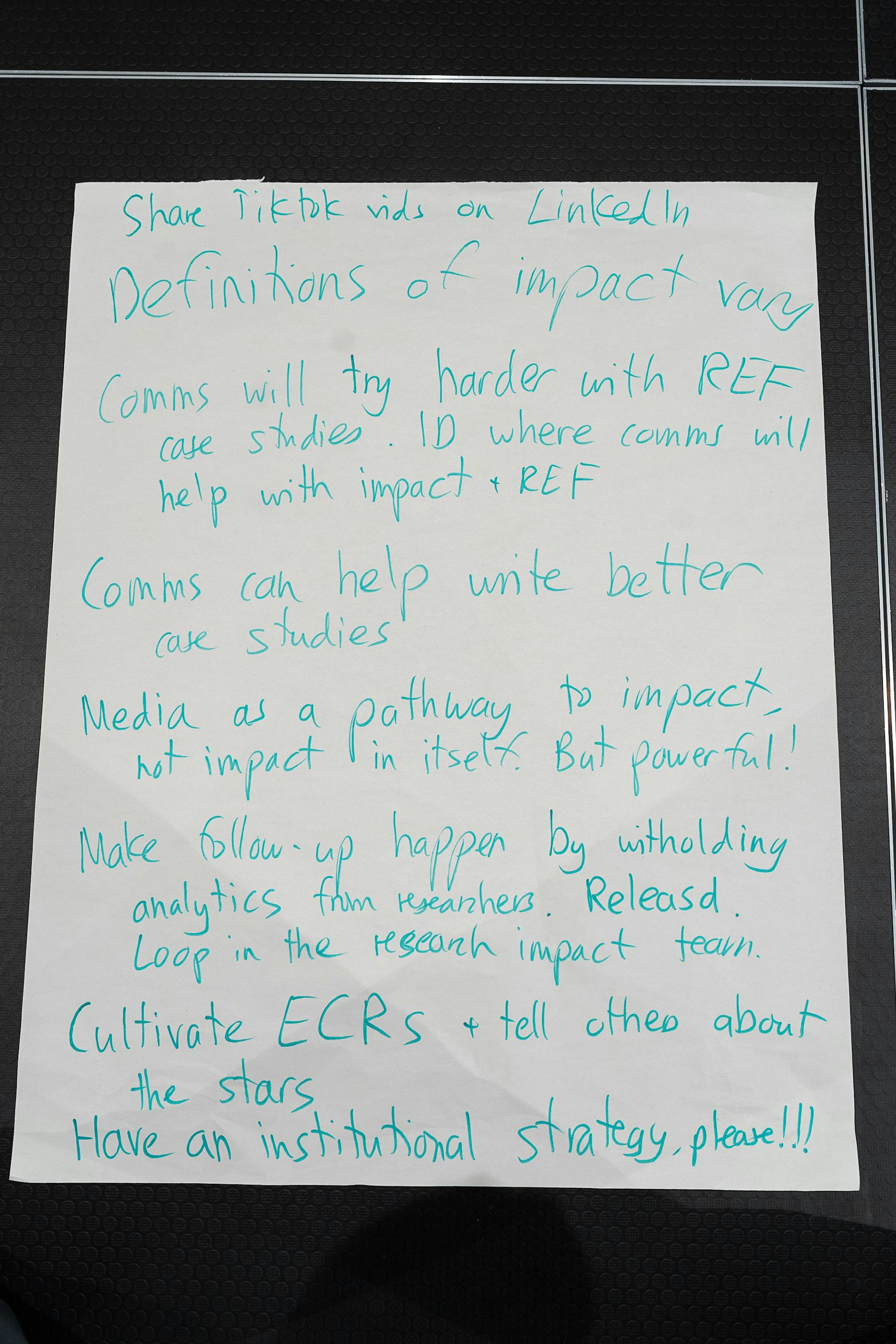
The document I referred to with a list of examples of non-typical impact and an indication of the breadth of potential impact-generating activity is Research England’s REF 2021 Panel Criteria and Working Methods update 19/02, Annex A (page 77).
And finally, drinks.
The final and important part of the day, heads filled with new ideas to discuss, and new colleagues to discuss them with.


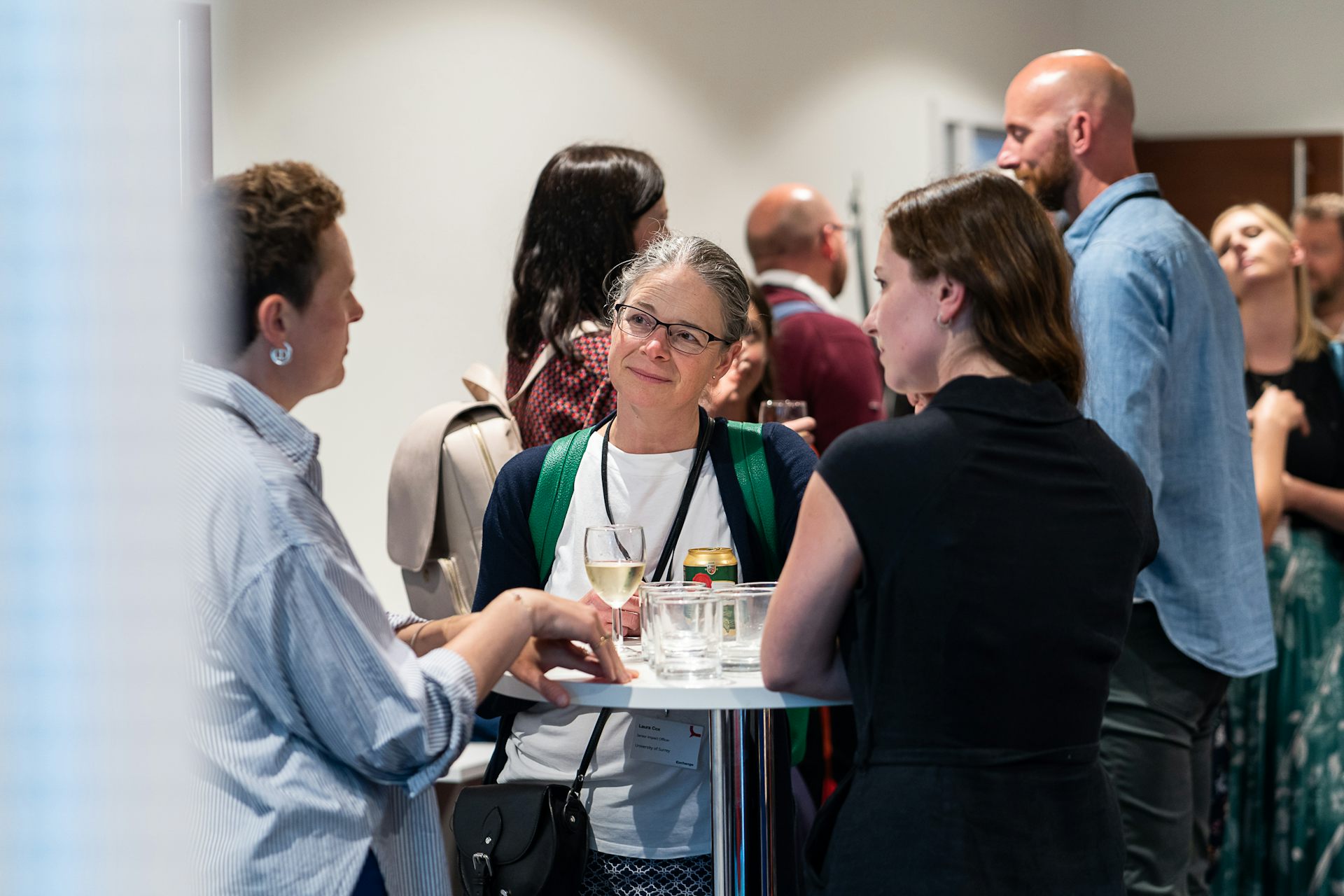

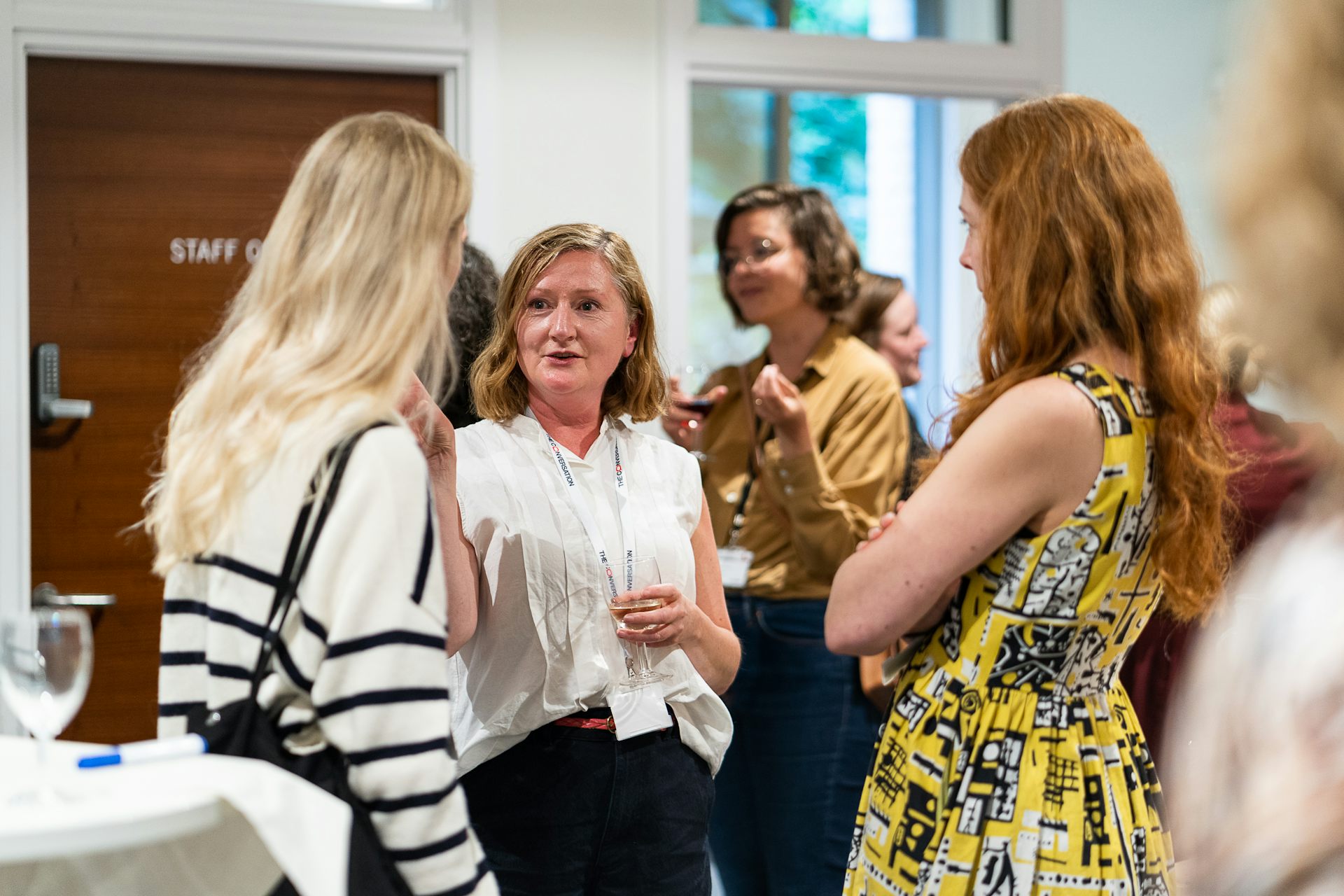
Thanks to all who attended and participated in Exchange 2024.
Photography by Brenna Duncan. Videography by FilmFolk.