
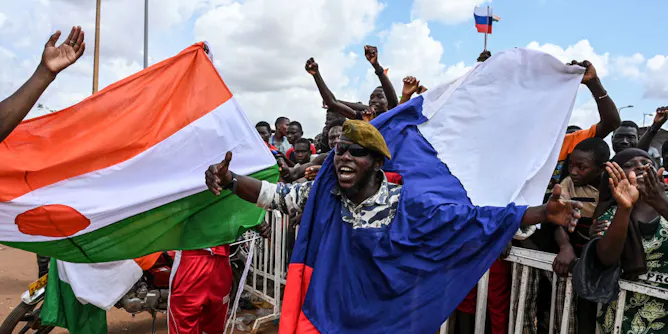
Mercenaries have returned to the central stage in Africa’s conflicts.
Articles on Yevgeny Prigozhin
Displaying 1 - 20 of 38 articles
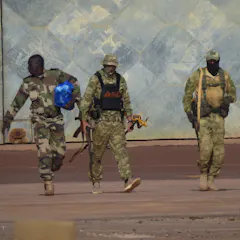
Dozens of Russian fighters were killed in confrontation with rebel groups in Mali amid speculation that Ukrainian intelligence played a role.
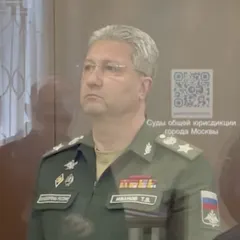
The constant jockeying for power among Putin’s subordinates serves the Russian president’s purpose.
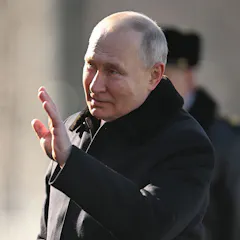
A West Point professor of Russian politics and foreign policy looks at the future of Russia without Putin.
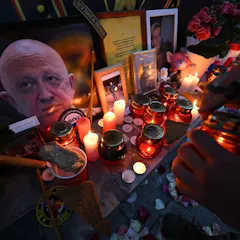
Will the Wagner Group under new leadership uphold the ruthless modus operandi that propelled it to the spotlight in Africa?
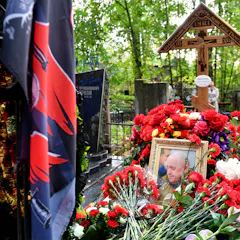
A scholar in religious studies delves into the peculiar world of Rodnovery, a Russian neo-pagan movement that believes in Slavs’ civilising mission. Many in Wagner side with it.
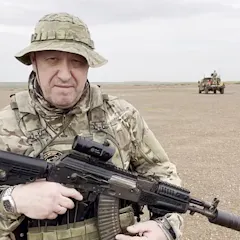
Russia is not interested in helping Africa to prosper or achieve stability, but as a theatre for advancing the Kremlin’s geostrategic interests.
A selection of the best of our coverage of the conflict from the past fortnight.
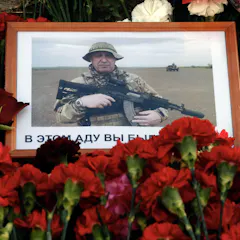
Russia was using the mercenary group to further its foreign policy aims in west Africa. There’s no reason to think Prigozhin’s death will change that.
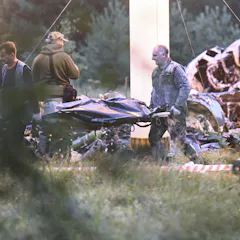
The core members of the Wagner Group, who are loyal to the late Yevgeny Prigozhin, will likely seek revenge against Vladimir Putin for his death. Is the Russian leader now living on borrowed time?
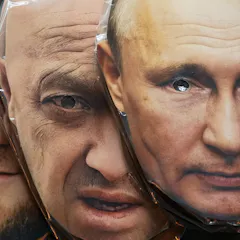
Russian mercenary leader Yevgeny Prigozhin, the founder of the Wagner Group, reportedly died when a private jet he was said to be on crashed on Aug. 23, 2023, killing all 10 people on board.
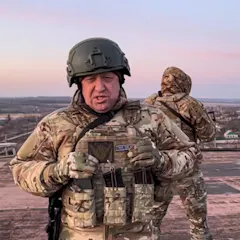
The apparent death of the warlord in a plane shot down over Russia tells us much about the fragility that surrounds Russian politics.
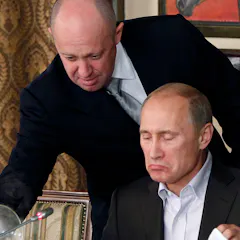
The Wagner Group boss had died in mysterious circumstances when his private jet crashed on August 23 2023.
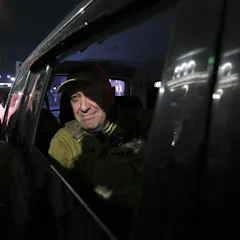
The lesson in the presumed death of the mercenary leader two months after his mutiny against Putin: Don’t make yourself an enemy of Russia’s leader.
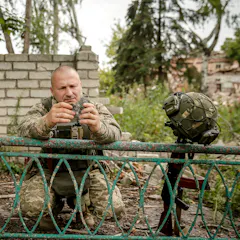
A selection of the best of our coverage of the conflict from the past fortnight.
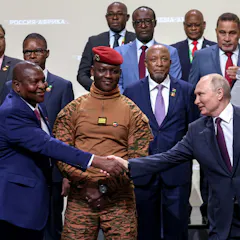
Vladimir Putin is engaged in a bid to woo support among African leaders, but the summit masks the darker reality of Russian influence-seeking in Africa
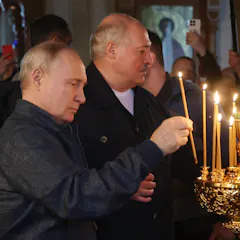
Wagner Group mercenaries in Belarus remain a worrying wild card with possible consequences for the conflict and the wider region.

Russia has long been a ‘paramilitarised’ regime, where the state can be challenged and undermined, but is not completely destroyed, by paramilitary or criminal groups.
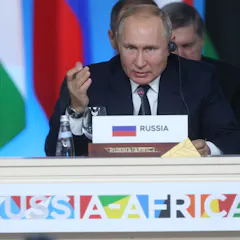
The Russia-Africa summit has obvious benefits for Moscow: it conveys a perception of normalcy and the tacit approval of African elites.

Russian authorities have given no legitimate justification for dropping criminal cases against rebel troops – undermining both President Vladimir Putin and the legal system.
Top contributors
-

Associate Professor (Adj), Griffith Asia Institute; and Fellow, Strategic and Defence Studies Centre, Australian National University
-
Professor of International Security, University of Birmingham
-
Associate Professor and Edward and Emily McWhinney Professor in International Relations, Simon Fraser University
-
Affiliate Lecturer, King's College London
-
Professor of Practice in International Relations, USC Dornsife College of Letters, Arts and Sciences
-
Director of Research, Africa Center for Strategic Studies, University of Maryland
-
Professor of Government, Wesleyan University
-
Visiting scholar, Russia and Eurasia Program, The Fletcher School, Tufts University
-
Senior Researcher in religious studies, National Academy of Sciences of Ukraine
-
Professor of Military History, University of Calgary
-
PhD candidate, La Trobe University
-
Senior Lecturer, Politics, La Trobe University
-
Professor in the Department of Government, University of Essex
-
Visiting Senior Research Fellow, King's Russia Institute, King's College London
-
Senior Lecturer in Modern European History, Queen Mary University of London