

Past experience suggests that adding work requirements to Medicaid will strip health services from millions of American without increasing employment.
Articles on Working poor
Displaying 1 - 20 of 26 articles

Employment and wages soared in the latest labor report, but that’s small comfort for the many workers with a job that doesn’t pay a living wage.

The Covid-19 pandemic raises the question of the precariousness of foreigners dependent on social assistance in Switzerland - a precariousness that is still growing.

Because the rich often have complicated deductions that dabble in the gray areas of tax law, it’s simply easier to audit the straightforward taxes of the working poor.

The earned income tax credit lifts around 6 million of the working poor out of poverty every year, but with the economy hammered by COVID-19, many might not get the benefit they need.
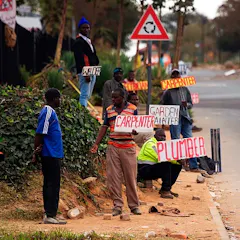
Economic distress was the norm for many before the coronavirus outbreak. The pandemic is an opportunity to provide an economically secure future for all.
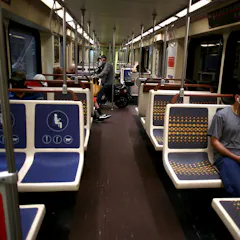
One in 5 of the poorest US households don’t have a car and rely on public transportation to get around.
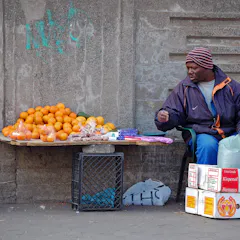
Paid employment is no longer a guarantee that workers will earn enough to cover their basic needs and become relatively secure financially. Hence the global phenomenon of the working poor.

New research shows high numbers of people in the UK are working multiple low-paid jobs.

A White House Council concluded that the war on poverty is “largely over.” But, while poverty among seniors has declined, poverty among adults and children as changed little over the last 40 years.

Experience in Fiji shows that reducing working poverty requires not only a raise in the minimum wage, but a minimum set of government services and benefits.
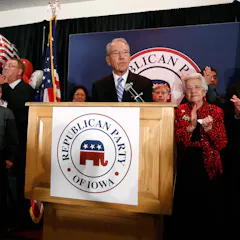
As the GOP prepares to slash spending to pay for tax cuts, lawmakers have been bringing up claims about the poor that don’t stand up to scrutiny.
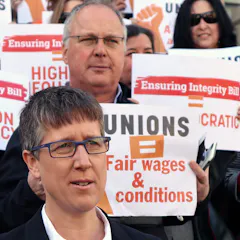
The ACTU has proposed Australia adopt a “living wage”. This might improve the incomes of some people, but it wouldn’t solve “working poverty”.
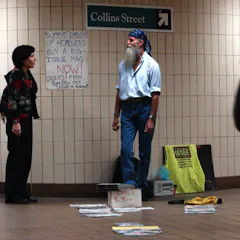
Big Issue sellers get social contact and dignity out of their work, but it’s not a secure pathway out of poverty and homelessness. Social enterprises enable small steps; governments can do much more.

It is important to take serious the increasing risk of those who work but remain in poverty. When the population feels that it is losing even if it respects the rules of the game, populism increases.
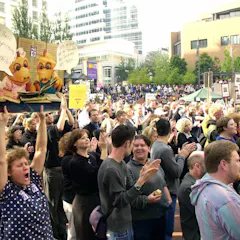
A professor takes us back more than 20 years, to when struggling white working-class voters in Oregon were convinced that a conservative social agenda would help bring back timber jobs.

New research shows that a third of UK families fall below a minimum standard of living – many are hardworking but still struggle to make ends meet.

Getting jobseekers off benefits and into well-paid jobs should be a priority. So why has pace been glacial?
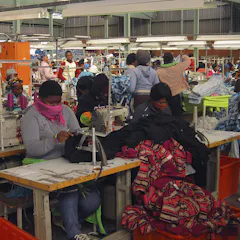
One in five workers in South Africa is poor. The plight of the working poor has wide implications. Employers have a responsibility to ensure a minimum level of decent wages.

Investment gaps may be key to understanding why poorer children perform so much worse throughout life.
Top contributors
-

Research Associate, School of Social Sciences, Monash University
-
Associate Professor, Rhodes University
-
Lecturer in Management, Employment and Organisation, Cardiff University
-
Co-Director of the Center on Urban Poverty and Community Development, Case Western Reserve University
-
Associate professor, University of Leeds
-
Professor, Durham University
-
Dean of Programs, EM Lyon Business School
-
Senior Lecturer in Management, The University of Melbourne
-
Professor of Comparative Employment Systems, University of Manchester
-
Senior Scientist and Senior Lecturer, the Heller School for Social Policy and Management, Brandeis University
-
Senior Lecturer in Employment Relations and HRM, University of Sheffield
-
Associate Professor, The University of Melbourne
-
Senior Researcher & Head: Neil Aggett Labour Studies Unit, Rhodes University
-
Associate Professor in Managing People and Organisations, University of Sydney
-
Professor of Social Policy, Loughborough University