
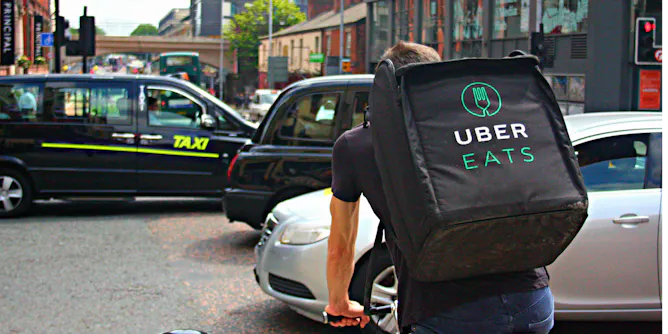
Gig companies like Uber often promote the freedom that comes with independent contractor arrangements. They talk less about the impact that pay volatility can have on workers’ health.
Articles on Working conditions
Displaying 21 - 40 of 58 articles

By giving up on corporate responsibility, Patagonia’s founder undermines current strides toward ethical capitalism.
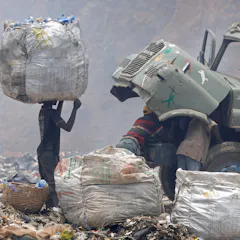
Lagos waste pickers were dissatisfied with their unhealthy working conditions, poverty and stigmatisation.
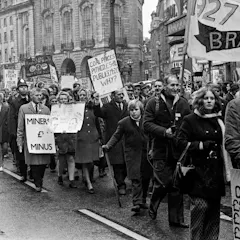
The strength of the government and public support can make a crucial difference.

When it comes to dealing with Uber’s difficult working conditions, Uber drivers are on their own.

Through their attempts to assist miners with their daily needs, Zambian unions enable lower wages and worse working conditions.

What drivers told us about life on the road.
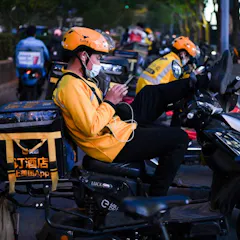
In China, as elsewhere, the pandemic has turned the world of work upside down.

Should the chronic hiring struggles of Canadian restaurants be referred to as a labour shortage, or can it be more accurately portrayed as a retention issue fuelled by a lack of decent work?

Working 95-hour weeks are the result of a culture that has melded two obsessions: top employers and gratifying the self.

On International Women’s Day, universities should resolve to lead the way in reshaping workplace rituals, rules and routines to advance gender equality and ensure safe workplaces.

Flexible arrangements might help women maintain a work-life balance, but can also weaken their position in the labour market and lose them earnings in the long term.

Public relations is a form of manipulation, used to shift public opinion. It is expressly designed to benefit the organization wielding it, something we’d be wise to remember during the pandemic.

The outsourcing of domestic work contributes to the race, class and gender stereotypes of domestic work. It has neither elevated the status nor improved the working conditions of domestic workers.

The Victorian government was using a sector known for its non-compliance with minimum labour standards for an important public safety job. That decision has come back to bite it.

Now that the pandemic has made migrant workers visible in Canada, as well as the true value of the work they do, it’s time to dramatically improve their working conditions.

Humans have an innate affinity with nature. Embracing this in your home while locked down may improve your productivity and health.

The food we eat and the products we use should not contribute to human misery. While companies hold some blame, so do consumers who avoid dealing with the consequences of their purchasing decisions.

A maximum work week of 38 hours makes scientific sense. Working longer hours is bad for mental and physical health.

No longer can young people invest in their education and work their way into secure employment. The health impacts of this job insecurity are profound.
Top contributors
-

Associate Professor UTS Centre for Business and Social Innovation, University of Technology Sydney
-
Sociology Lecturer, University of Johannesburg
-
Professor Emeritus, School of Labour Studies, McMaster University
-
Senior Lecturer in Human Resource Management, University of Portsmouth
-
Senior Lecturer in Occupational Psychology, University of Sussex Business School, University of Sussex
-
Professor of Management, University of Bristol
-
EngD student, UCL
-
PhD Candidate in Law and Sexuality, University of Sunderland
-
Associate professor, Dalla Lana School of Public Health, University of Toronto
-
Reader (Associate Professor) in Information Systems, School of Business and Management, Royal Holloway, University of London
-
Professor of Leadership and Director of Sustainable Value Creation, Melbourne Business School
-
Associate professor, University of Sydney
-
Visiting Researcher, Universidade de Coimbra
-
Professor of Media Sociology, Director, Glasgow University Media Group, University of Glasgow
-
Professor of Health Policy and Management, York University, Canada