

When it comes to picket lines, courts aim to uphold civil and property rights without jeopardizing workers’ freedom of expression.
Articles on Workers
Displaying 81 - 100 of 262 articles

Establishing an inclusive and accommodating work environment for people with dyslexia can foster a diverse workforce and improve productivity, innovation and performance.

The idea of a ‘calling’ has stretched far beyond its religious roots. But the way US society talks about meaningful work isn’t always helpful.

Trading the right to strike for binding interest arbitration is a minefield for unions.

Although work in journalism has never been a safe bet, it’s now rife with deepening uncertainty. The TVO strike aimed at job security is a matter of public interest.

The rapid rate of AI adoption is putting workplaces at risk of overlooking its potentially adverse impacts, particularly those that could impact the health and well-being of workers.

One way to dramatically improve the lives of people with disabilities is by understanding time in a way that considers how people with disabilities experience barriers — something known as “crip time.”

A new study suggests disclosure laws to prevent forced labour in the clothing industry are a form of window dressing designed to ease the conscience of consumers rather than protecting workers.

If you’re stuck in the ‘wrong’ job, thinking about your skills and values can help you find the right one.

As actors join screenwriters in a strike that has shut down movie productions, a labor historian looks back at union action on the silver screen.

The biggest obstacle to getting everyone back into the workplace is the fact that people who are working from home seem to be doing better — or at least no worse — than those who are not.

A recent study found that offering workers a choice of what type of reward they would like for offering good suggestions increased the volume of submissions and their creativity too.

Will an increase in wages make federal government workers happier and more efficient while dealing with the public on taxation, public safety and a multitude of other daily and often frustrating issues?

COVID-19 transformed the workforce, including in the public sector. A complete reversal to pre-pandemic work models is unlikely, but there’s lots at stake as employers contemplate the future of work.

National Day of Mourning should be used to challenge misconceptions about occupational health and safety, and advance safer workplaces for Canadians.
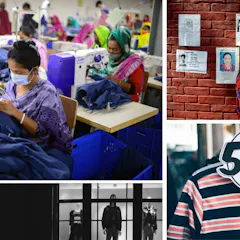
We look back to the 2013 Rana Plaza garment factory collapse in Bangladesh that killed 1,124 people and discuss how much — or how little — has changed for garment-worker conditions today.

A shift towards a more distributed, borderless global workforce will not necessarily lead to job losses for Canada, but it will be disruptive and require restructuring in the labour market.

To encourage the ‘economically inactive’ back to work, the government is changing pensions, childcare funding and creating more support for people with long-term illnesses.

A combination of a decline in workers under 35 and an ageing workforce is leading to labour shortages in many regions.
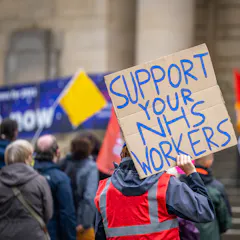
The problems facing the NHS have been years in the making: a result of poor decision-making, lack of political consensus and chronic underinvestment.
Top contributors
-

Professor of Management, Co-Director of the MIT Sloan Institute for Work and Employment Research, MIT Sloan School of Management
-
Associate Professor of Business, Boston University
-
Professor of Law, University of Oregon
-
Affiliate Research Associate, School of Political and Social Sciences, University of Glasgow
-
Professor and Director of Labor and Employment Studies, San Francisco State University
-
Professor, Labour Studies, Brock University
-
Associate Professor, University of Cape Town
-
Associate Professor, Labour studies, Brock University
-
Professor of Economics and Political Economy, University of Leeds
-
Professor Emeritus of Business, Wayne State University
-
Global Fellow at the Wahba Institute for Strategic Competition, Associate Professor at the University of Arizona, University of Arizona
-
Distinguished Professor of Workplace Law, RMIT University
-
Venable Professor of Law, University of Baltimore
-
Professor of Employment Relations & HR Management, University of Birmingham
-
Leiden University