
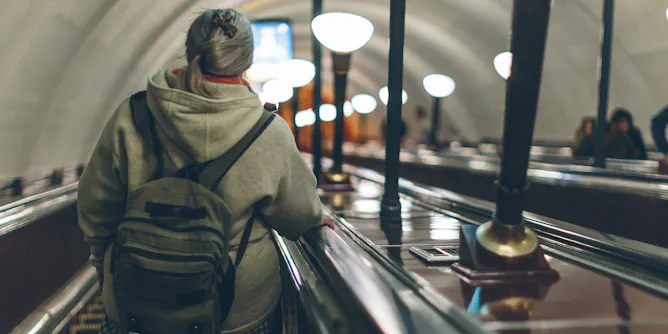
We still have a huge knowledge gap on how to actually reduce violence.
Articles on women's safety
Displaying 1 - 20 of 21 articles
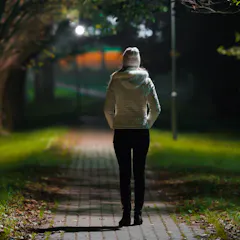
How designing better parks can help gender equality.
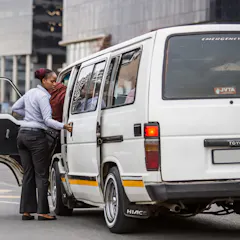
The participants all said they often felt anxious and hypervigilant when commuting.
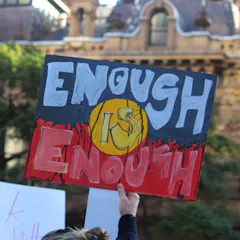
First Nations women are 32 times more likely to be hospitalised as a result of domestic violence than non-Indigenous women. We need to put Indigenous women at the centre of the discussion.
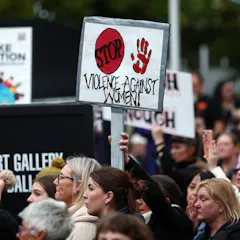
Public focus on, and anger about, the horrifyingly high rates of violence against women is at fever pitch. What have the country’s leaders agreed to, and will it fix the problem?

Lounge creator and artist Kirsha Kaechle said the lounge was being ‘experienced’ by men exactly as intended – by excluding them.
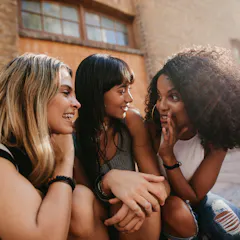
These private online communities represent a long-held feminist maxim: to solve sexism requires women to solve it themselves.
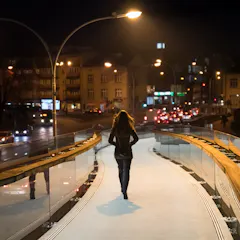
Women are most likely to feel unsafe in their cities or towns, but planning authorities have rarely listened to them. Here’s what we can do to change that.
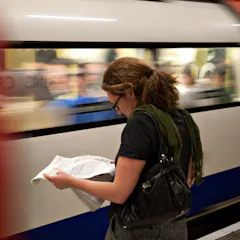
Research shows apps designed to make journeys more environmentally friendly aren’t considering women’s transport needs.
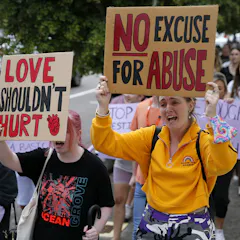
There is a crisis in women’s safety but the commitments are piecemeal and some aren’t even new.
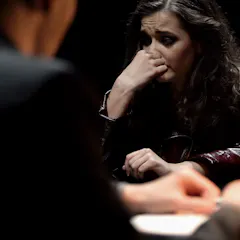
Police officers are tasked with summarising accounts of violent incidents. And the language they use is extremely important.
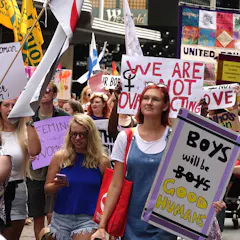
As politicians and experts meet to talk about how to make workplaces and homes safer for women, we also need to look at the bigger picture.
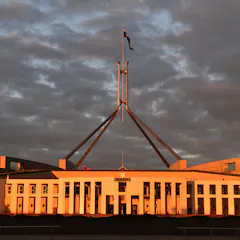
A key part of the budget’s focus on women was a funding boost to help stop domestic violence.

The CCTV ecosystem is evolving – but it’s still a sparse patchwork with limited efficacy in reducing or prosecuting crime.

Across 29 countries, there are wide disparities between how women feel about going out alone and how men feel.
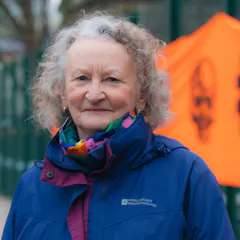
Clearly intended as a rhetorical device to highlight constraints on women’s lives, the Green Party peer faced an extraordinary backlash.
Frontline services report that more women are using online or telephone support for family violence during the second lockdown, while more men are also seeking help for abusive behaviour.
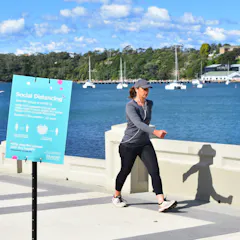
The Gender Equality Act in Victoria creates an obligation to understand how gender affects needs and experiences, and to design, assess and manage public spaces so women feel safe in those places.
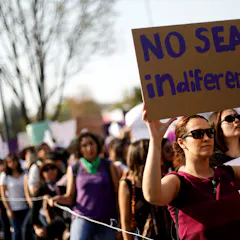
Mexico is the second most dangerous country for women in Latin America. Yet the new government is slashing funding for programs meant to protect and empower women.
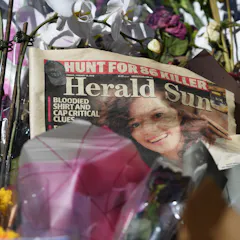
Murders of women in public spaces by strangers are not commonplace. And murders in Australia in general are on the decline. Compared to many countries, Australia is a safe place.
Top contributors
-

Director, XYX Lab, and Professor, Faculty of Art, Design and Architecture, Monash University
-
Professor (Practice), Faculty of Business and Economics, Monash University
-
Lecturer, Department of Design, Monash University
-
Research Fellow, Deakin University
-
Research Support Officer, XYX Lab:Gender and Place, Monash University
-
Senior lecturer, School of Law, University of Wollongong
-
ARC Future Fellow and Professor of Criminology, The University of Melbourne
-
Associate Professor in Criminal Justice and Criminology, Bond University
-
Lecturer/Researcher, Forensic Stylistics, Linguistics, and Rhetoric, Northumbria University, Newcastle
-
Senior Lecturer in Human Rights, Constitutional Law and Legal Theory, University of Wollongong
-
Professor of Criminology, Griffith University
-
Professor of Sociology and Social Policy, The University of Melbourne
-
Professor and Director, Centre for Research into Information, Surveillance and Privacy, University of Stirling
-
Senior Lecturer in Politics and International Relations, Aston University
-
Director of the Monash Gender and Family Violence Prevention Hub and Senior Lecturer in Criminology Monash University, Monash University