
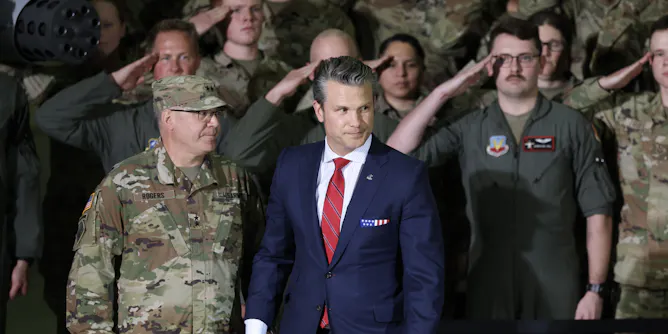
US Defense Secretary Pete Hegseth called the Women, Peace and Security initiative ‘woke’ and ‘divisive’. But history shows soldiers of all stripes have served with honour.
Articles on Women, Peace and Security
Displaying all articles
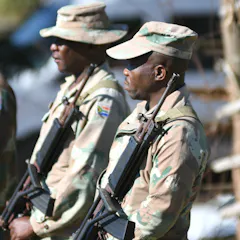
The Southern African Development Community intervention force in the mission in the DRC is outgunned and outmanned.
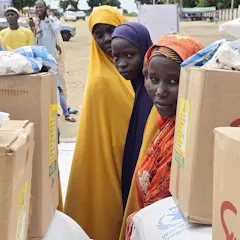
Activists from abroad living in Canada have a broad vision and great interest in tangibly improving the lives of all people living in ongoing colonial and other conflict.
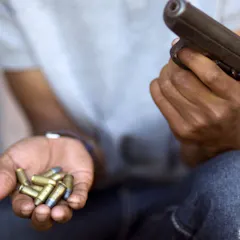
Firearms may provide firearm owners with a means of self-defence in confrontations with criminals, but the unlawful use of a licensed firearm can have negative legal consequences.
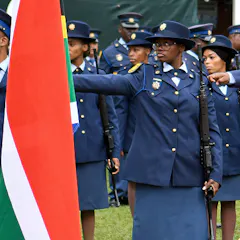
The security services that watch over South Africans today are a far cry from the instruments of minority rule of the apartheid era. They are subject to the constitution and the rule of law.

The recent release of Canada’s third National Action Plan on Women, Peace and Security highlights challenges and opportunities that go far beyond the ‘add women and stir’ approach.

The UN has been working for 20 years to increase the number of female peacekeepers – but countries that give their troops to the UN are reluctant to put more women in active combat.

It will take time for Rwandans, especially those who suffered or witnessed the genocide, to trust France again.
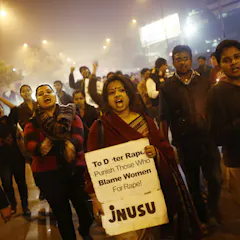
India is the most dangerous country for women in 2018, according to a new survey. Putting more women in government is a necessary first step in preventing rape and better protecting abuse survivors.
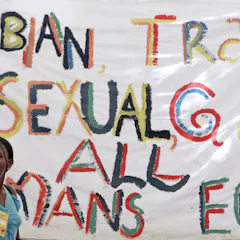
A dispute between the African Union’s executive and the commission responsible for overseeing human rights could weaken the protection of peoples’ rights.
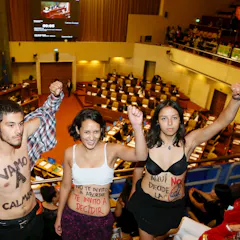
Seventy-five percent of all abortions in Latin America are illicit. In Honduras, Nicaragua and El Salvador, where abortion is totally illegal, the bans correlate with a generalized failure of the rule of law.
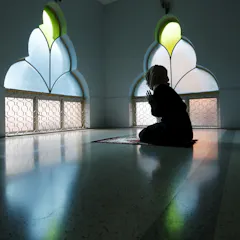
Socioeconomic support is essential to help families resist the temptation of extremism.
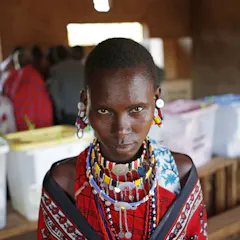
Kenya’s progressive 2010 Constitution brought improved women’s representation in Parliament and public life. But historical prejudices remain, always more intensely apparent during elections.
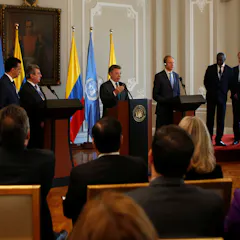
Colombia’s FARC guerrillas have officially laid down their weapons. How will these former fighters fare in the group’s transition from Marxist rebellion to political party?
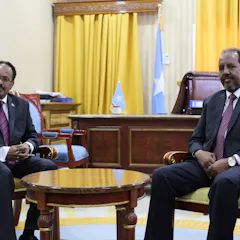
The Somali election didn’t deliver the long-awaited universal suffrage, but was another exercise in limited democracy that extended only to a small part of the population.
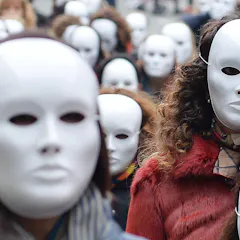
A series of research projects is to take place in countries including Afghanistan, Palestine and South Africa to address our significant lack of knowledge about how to prevent physical and sexual violence…
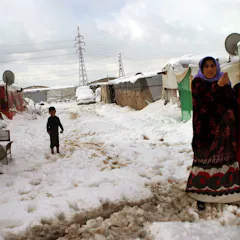
A priority mentioned in Australian speeches and statements to the United Nations this year - Women, Peace and Security (WPS) - is likely to feature as the key “theme” of Australia’s presidency of the Security…
Top contributors
-

Senior Fellow in Science, Technology & Economics at RSIS, Nanyang Technological University
-
Lecturer, University of the Witwatersrand
-
Director, Centre for International Governance and Justice, Professor & ARC Laureate Fellow, Australian National University
-
Associate Professor of Political Science and Global Studies, Boise State University
-
Research assistant professor, Universidad de los Andes
-
Visiting Fellow (Malaysia Programme/ Regional Economic Studies), ISEAS-Yusof Ishak Institute
-
PhD candidate in International Relations, Monash University
-
Professor of International Human Rights Law, Centre for Human Rights, and acting SARChI Chair in International Constitutional Law, University of Pretoria
-
Professor, Universidad de Costa Rica
-
Senior Lecturer in Social Epidemiology and Co-Research Director of STRIVE, London School of Hygiene & Tropical Medicine
-
Professor, Griffith Law School, Griffith University
-
Criminologist / Senior Lecturer, Stellenbosch University
-
Postdoctoral Research Associate, King's College London
-
Director Research, MISTRA and Research Associate, Department of Political Sciences, University of Pretoria
-
Professor of International Affairs, Penn State