
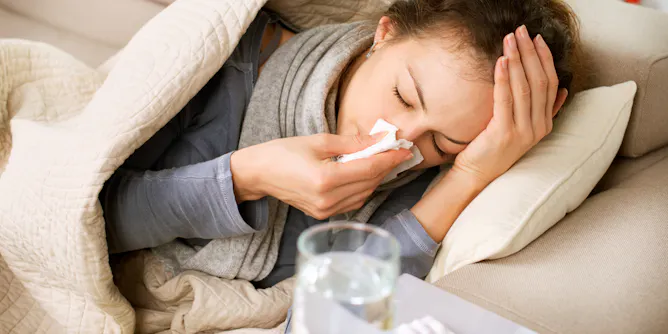
This winter, most of us will catch a cold. Our kids will probably catch at least two or three. We all know you are supposed to feed a cold and starve a fever. But does it really make any difference if…
Articles on Winter health
Displaying 81 - 91 of 91 articles

As the weather starts to cool down and winter clothes enter rotation in our wardrobes, some peculiar combinations emerge: shorts and scarves; thongs and jackets; T-shirts and beanies. The last is often…

Influenza or flu is one of those dustbin words used by the media and by health professionals to cover the myriad causes of a respiratory infection. The only way to be sure is with laboratory testing of…

Vitamin C is so often suggested as a treatment for the common cold that it’s almost considered common sense. This well-known vitamin is primarily found in fruits and vegetables, with small quantities in…
Breathing cold air increases oxygen demand and reduces oxygen supply in the heart, a new study has found. The oxygen imbalance…

Despite decades of medical breakthroughs and growing health budgets, the simple act of washing our hands remains one of the most important things we can do to protect ourselves from disease. The principle…
When you’re sick with a cold, you’re likely to be told to rest and drink plenty of fluids – water, juice, tea and the old favourite, chicken soup. This has been the prevailing advice for generations and…
Colds are more common in the cold winter months. But does the weather have anything to do with why we get sick? These days, we use other terms such as “virus” or “the flu” to describe our sniffles because…
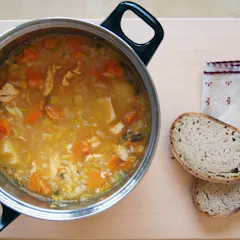
Of all the homemade winter cure-alls, chicken soup is the best known and most loved. In fact the term “chicken soup” has become idiomatic for all things restorative; benefiting every possible problem from…

As the days get shorter and we approach winter, many of us have a lowered mood, reduced energy levels and seem to need more sleep. Such seasonal changes in mood and energy are common and most of us adapt…
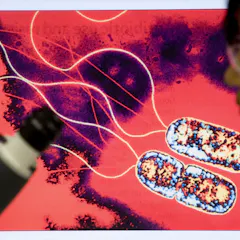
Antibiotics started out as the biggest medical breakthrough of the 20th century but overuse in humans and animals has led to resistance and reduced efficacy. We’re now at risk of reverting back to a pre-antibiotic…
Top contributors
-

Professor of Infectious Diseases, Monash University
-
Professor of Medicine, Monash University
-
Specialist General Practitioner, and Conjoint Senior Lecturer, UNSW
-
Paediatrician, Infectious Diseases Physician and Clinical Microbiologist, The Kids Research Institute Australia, The University of Western Australia
-
Paediatrician & Infectious Diseases Physician; Senior Lecturer & NHMRC Fellow, Faculty of Medicine, University of Sydney
-
Professor of Biostatistics and Epidemiology, Adelaide University
-
Lecturer in Pharmacy and Pharmacology, Adelaide University
-
Professor of Infectious Diseases and Microbiology, Australian National University
-
Senior Lecturer; MD, Victoria University
-
Professor Emerita, Nursing, School of Nursing and Midwifery, Griffith University
-
Distinguished Professor, Professor of Immunology, RMIT University
-
Deputy Director, WHO Collaborating Centre for Reference and Research on Influenza
-
Associate Professor and Research Leader in Virology and Infectious Disease, Griffith University
-
Conjoint Associate Lecturer, Faculty of Medicine, UNSW
-
Professor of Infectious Diseases and Global Health, University of Sydney