
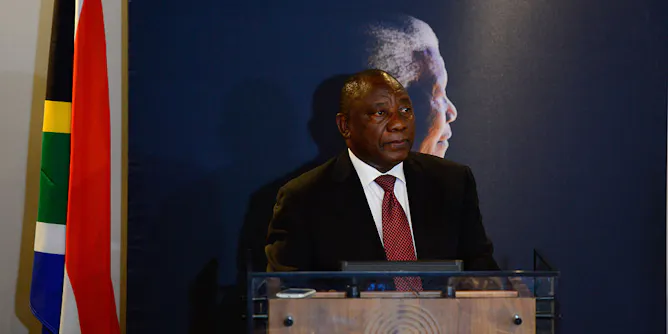
Mandela was a patrician leader, at times even a draconian leader, who steamrolled dissent when he thought it necessary.
Articles on Winnie Madikizela-Mandela
Displaying all articles
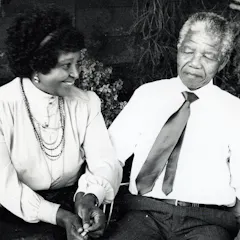
Jonny Steinberg talks about his intimate double biography of the famous South African leaders.

The pioneering role she played, and the sacrifices she made, extended well beyond the famous 1956 Women’s March.

The books aim to write women back into history for children to see that women are able to take up powerful positions in society.
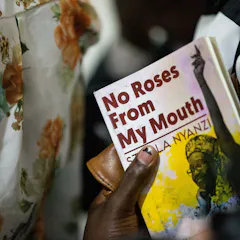
Written from prison, the new book of poems by the writer, academic and activist shows her fire but also her deep love for Uganda.
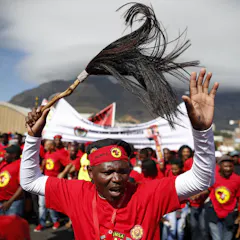
South Africa marks 24 years of freedom amid continuous contests over over governance, economic justice as well as reconciliation and inclusion.
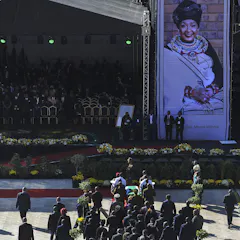
Society expects journalists to report objectively. But a documentary filmmaker has an opinion.
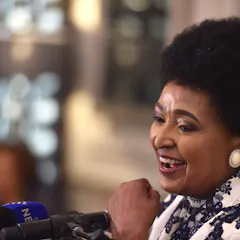
The way Winnie Madikizela-Mandela is being remembered recalls the outpouring of grief and iconic status Eva Peron the First Lady of Argentina was accorded.
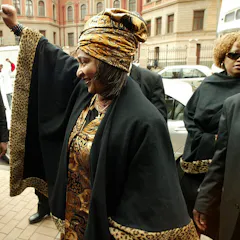
Reducing Madikizela’s entire life and legacy to her relationship with Mandela has more to do with patriarchal tropes about powerful women than reality.
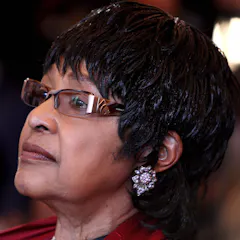
Winnie Madikizela-Mandela’s political power stemmed from the visceral connection that she was able to make between the lives of the oppressed black people, and her own.
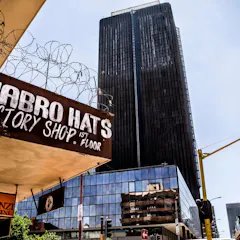
Apartheid was to officially end in 1994. So was the fashion of wearing hats as the formalities of business, church and leisure gave way to the informality of urban equality.
Top contributors
-

Senior lecturer in African Studies, Yale University
-
Assistant Professor of Gender, Rights and Human Rights, London School of Economics and Political Science
-
Canada150 Research Chair in Gender and African Politics and Visiting Professor, WiSER Wits University, Carleton University
-
Senior lecturer in Screen Production and Film and Television Studies, University of Cape Town
-
Visiting Professor and Professor Emeritus, University of the Witwatersrand
-
Mellon Chair of Indian Studies and the Director of the Centre for Indian Studies in Africa, University of the Witwatersrand
-
Senior Lecturer in Media Studies, University of Cape Town
-
Senior Lecturer, Applied Language and Literacy Studies, University of Cape Town
-
Lecturer, University of Cape Town
-
Senior researcher, Centre for Social Change, University of Johannesburg
-
Professor and Head of Department of Political and Conflict Studies, Nelson Mandela University