
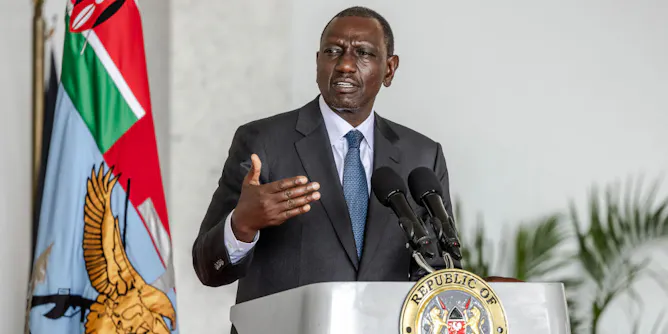
Popular discontent with the government’s performance doesn’t provide sufficient legal grounds to remove a Kenyan president.
Articles on William Ruto
Displaying 21 - 40 of 107 articles

The state’s efforts to quell public protests show some worrying similarities to the past.
The new cabinet needs to transform the status quo.
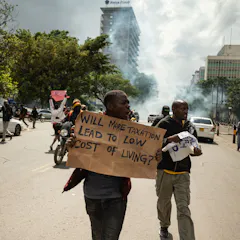
Citizens willingly pay taxes in return for government using these resources to provide services such as education and health.
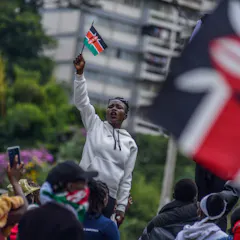
Significant transitions in Kenya have occurred through the voices of the masses rather than formal political structures.
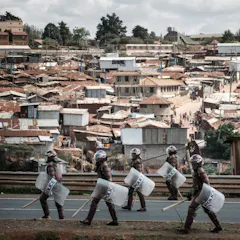
President Ruto’s re-awakening of class identities has shifted the character of Kenya’s politics in ways even he could not have predicted.

Kenya is not an isolated case. Twenty-one countries are receiving IMF support.
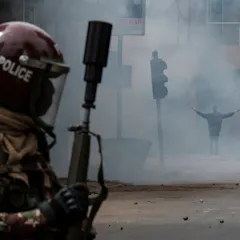
Reforms have failed to transform an authoritarian police force into a democratic one.
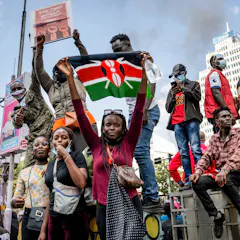
Kenya’s slow economic growth, large educated youth population and limited job opportunities are some of the factors that gave rise to the protests.
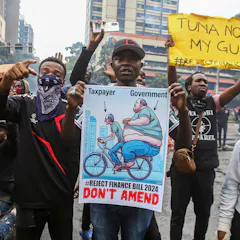
Corruption in Kenya drains resources that could have been used for services like healthcare or education.
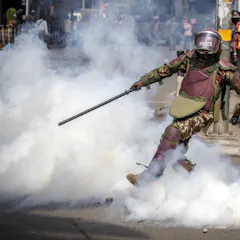
Kenya’s political regimes have used the police to repress opposition and sustain themselves in power.
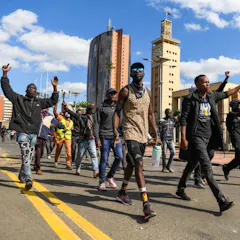
Protests in Kenya reveal that a young, enlightened, urban population can drive a hard bargain with a state that is failing them.
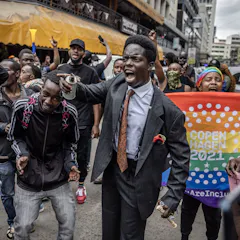
Kenyans, particularly young ones, are fed up with rising prices as well as being ignored, of corruption and of the conspicuous consumption of politicians.
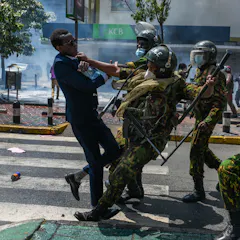
Kenya’s police have a long history of using excessive force.
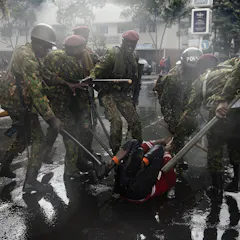
Domestic and international laws obligate the Kenyan state to enable citizens to realise the right to peaceful assembly.
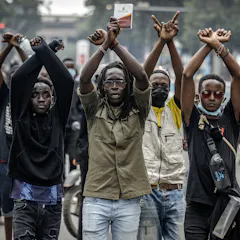
Kenyan activism is witnessing a shift from ethnic-based mobilisation to issue-based activism.
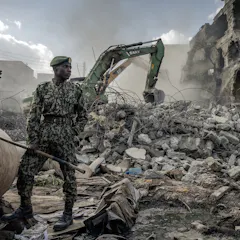
In response to flooding that destroyed homes and displaced thousands in Nairobi’s informal settlements, the government has been evicting people living in riparian areas.
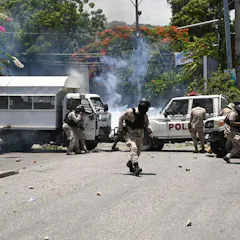
Kenya’s deployment to Haiti would contribute towards the country’s role in enhancing global peace and security.
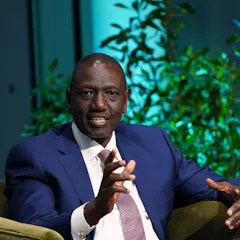
Satire and humour have always been sites for popular engagement with the state in Kenya.
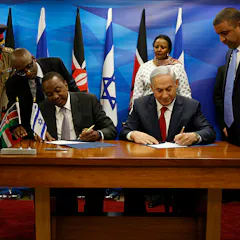
East Africa’s reaction to the war in Gaza appears shaped by history, affinity to the policies of the west and the threat of terrorism.
Top contributors
-

Professor, Weber State University
-
International Relations Scholar, University of the Witwatersrand
-
Professor, Faculty of Business and Management Sciences, University of Nairobi
-
Professor of Comparative Politics, University of Warwick
-
Adjunct Associate Professor, Departnent of Social Sciences, Pwani University
-
Associate professor, Uppsala University
-
Professor in Inclusive Education, Hague University of Applied Sciences
-
Professor of Media Industries, University of Nottingham
-
Associate Professor of International Studies, University of Nottingham
-
Lecturer in criminology, Edinburgh Napier University
-
Professor of Feminist and Security Studies, SOAS, University of London
-
Senior Lecturer, HOD-Mass Communication, Kabarak University
-
Associate professor, Finance, University of the Witwatersrand
-
Principal Policy Analyst, Governance Department, The Kenya Institute for Public Policy Research and Analysis (KIPPRA)
-
Professor of Peace and Conflict Research, Uppsala University