
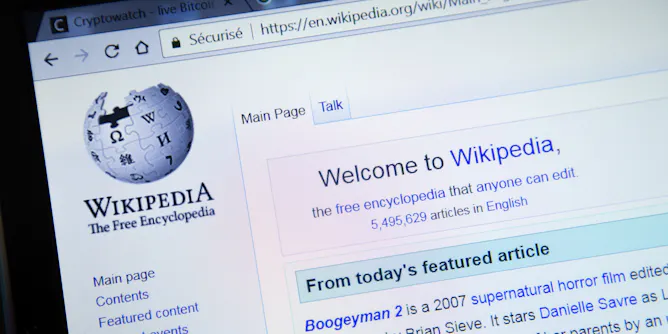
The technology behind blockchain remains a mystery to many, but the it shares many common features with the popular online encyclopedia with which most web users are very familiar.
Articles on Wikipedia
Displaying 21 - 40 of 50 articles
Wikipedia’s coverage on women is less comprehensive, and its volunteer editor base is mostly male. What can be done to change the numbers?
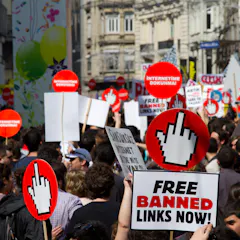
New, extreme levels of censorship in Turkey could lead to waves of digital activism by tech-savvy generations.

If access to information online becomes more difficult, then it will be the communities on the fringes that lose out.

Digital and animal cultures pose a profound challenge to the law’s recognition of human uniqueness.
Social media is a huge channel for false information. News organisations need to wean themselves off it.

Current events can boost our collective memory of past events in predictable ways, finds study.

Wikipedia has earned our trust. Now its founder proposes an innovative assault on fake news with Wikitribune.
Researchers have found that today’s students, despite being ‘digital natives,’ have a hard time distinguishing what is real and what is fake online. Metaliteracy might provide the answers.
Medical entries on Wikipedia are widely consulted across the world. Doctors and medical researchers need to make efforts to ensure the content on the online collaborative encyclopedia is accurate.
Economics struggles to explain the explosion of gift models at the heart of our online economy.
The academic medical community largely views Wikipedia with suspicion. But some traditional journals are starting to take the site more seriously – and some journals work very closely with it.
But is it a good thing?
Wikipedia is celebrating its 15th birthday, but it’s eight years since contributor numbers peaked. What does this tell us about its future?
What does it take to teach an AI how to read natural human languages?
That Wikipedia is used for less-than scrupulously neutral purposes shouldn’t surprise us - our lack of critical eye that’s the real problem.
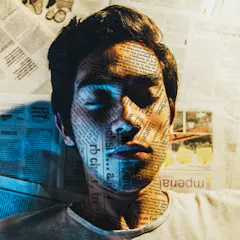
To understand the wide array of information in today’s world, we need a different kind of literacy. Some researchers call that ‘metaliteracy.’
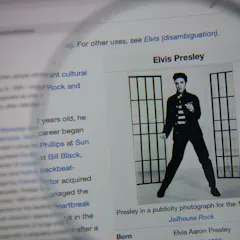
Wikipedia is frequently considered an unacceptable and unreliable source of information. It’s also constantly correcting – and isn’t that what content should strive to do?
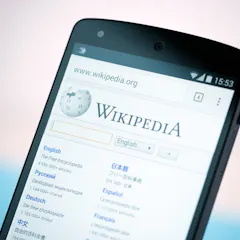
From Grant Shapps to the Cameronettes, the best and worst of the internet for the last week of #GE2015.
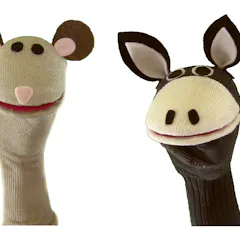
Conservative chairman Grant Shapps is accused of sockpuppetry on Wikipedia, but this former Wikipedia admin isn’t so sure the evidence stands up.
Top contributors
-

Workday Professor of Technology and Society, Trinity College Dublin
-
Associate Professor, Oxford Internet Institute, University of Oxford
-
Professor, Communications, University of Technology Sydney
-
Vice Provost for Academic Programs, SUNY Empire State College
-
Distinguished Librarian, University at Albany, State University of New York
-
Professeur des Universités en Histoire des Sciences, Université de Lorraine
-
Lecturer in Information Technology, Intellectual Property and Media Law, University of East Anglia
-
Associate Professor, ARC Centre of Excellence for Weather of the 21st Century, Monash University
-
Lecturer, University of Southern Queensland
-
Lecturer in Digital Media Sociology., City St George's, University of London
-
Reader in Sociology, Loughborough University; Independent Social Research Foundation
-
Postdoctoral Fellow at the Center for Middle Eastern Studies, Lund University
-
Medical Doctor, Epidemiologist and Biostatistician, University of the Witwatersrand
-
Professor of History, Rochester Institute of Technology
-
Associate Professor in Education, University of East Anglia