
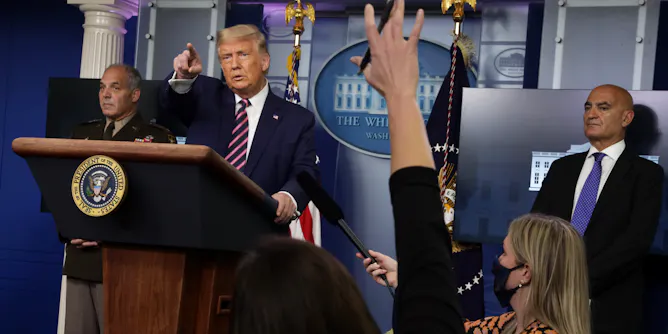
Press-bashing was a feature of the years Trump was president. But a new, more constructive kind of press criticism has also emerged that aims to improve journalism, not delegitimize it.
Articles on Watergate
Displaying 41 - 60 of 67 articles

After release of tape recordings in which Nixon ordered the Watergate coverup, he resigned under pressure by congressional Republicans. Today’s GOP had a different response to the Trump tape.
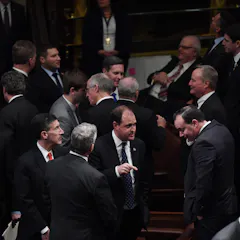
An expert on Watergate says that today’s House Republicans have taken precisely the opposite position than the GOP took in 1974 on the president’s power to withhold documents from Congress.
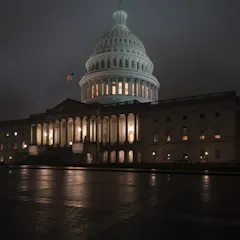
The impeachment vote is the latest, and most extreme, example of a power struggle between the executive branch and Congress that has existed since George Washington was president.
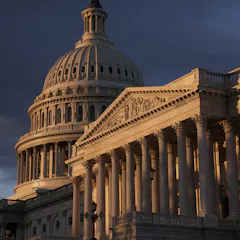
President Trump refuses to provide information to lawmakers in the impeachment inquiry. But courts have been reluctant to take such cases for fear of upsetting the government’s balance of power.
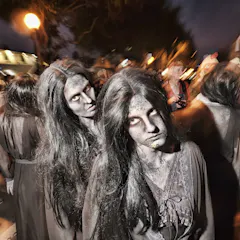
In the early 1970s, rumors about poisoned candy on Halloween led to mass paranoia. A historian explains why such fears emerge – and what, in reality, feeds them.
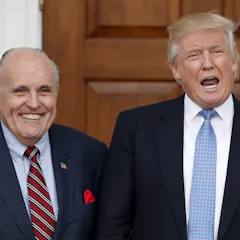
A former congressional staffer says withholding damning evidence from Congress and using civilians to carry out presidential or intelligence agency agendas links the Ukraine crisis to other scandals.
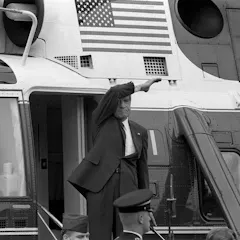
President Trump has invoked executive privilege to stymie congressional investigators. Another president, Richard Nixon, did the same thing. It helped Nixon hold onto power – but only for a while.
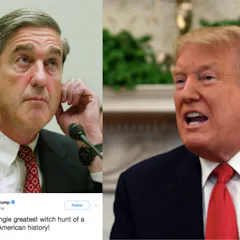
Legally, a person can obstruct justice even if he committed no other crime – though it is harder to prove. It all depends on the intent behind pressuring investigators, say, or firing an FBI director.

Will the public ever see a report from Robert Mueller’s investigation of possible collusion between the Trump campaign and Russia? Maybe not. There are big legal hurdles to making it public.
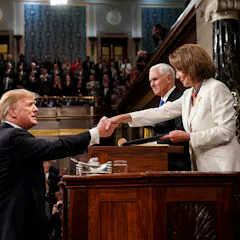
Four scholars weigh in on President Donald Trump’s State of the Union speech, exploring his statements on immigration, childhood poverty, the border wall and the investigations into his campaign.
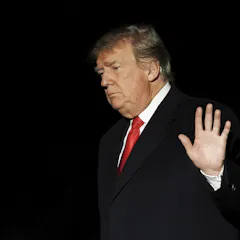
There is one area where the Trump presidency has already been more successful than any in living memory: exposing the weaknesses of the American constitutional order.
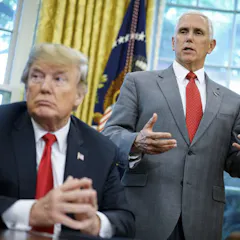
The claim of “resistance” inside the White House offers the possibility of government by Trump appointees who prefer to keep their positions rather than publicly denounce a man they disapprove of.
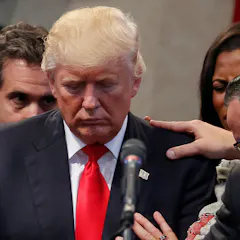
Trump’s former personal lawyer broke two laws that control political spending, both passed after major election scandals. President Roosevelt survived his campaign’s misdeeds. Nixon did not.
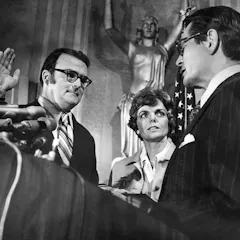
Republicans in Congress today are different than GOP figures who challenged President Nixon during Watergate. GOP leaders now stand in contrast to those who once chose country over loyalty to one man.
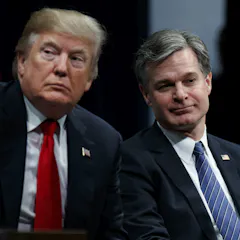
The FBI has long fed Congress secret intel. Trump and Nunes’ fight to release classified information may turn this dynamic on its head.
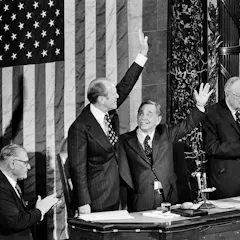
What if impeaching the president meant the White House would switch parties? It was an ethical question Democrats faced in the 1970s.
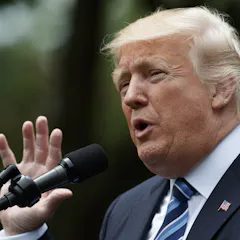
A scholar argues why more rules, regulations and codes, such as those proposed by Walter Shaub, will not have much effect.
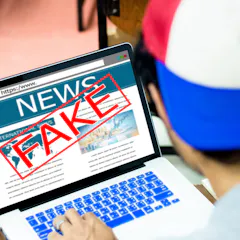
With the rise of fake news and its threat to the public good, the time has come to regulate journalists as we do doctors, dentists and lawyers.
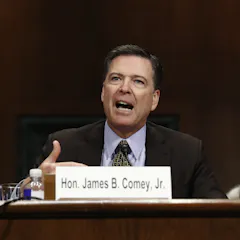
Hoover abused his power as FBI director to serve presidents’ interests. The reforms that followed were set up to prevent it from happening again.
Top contributors
-

Research Specialist, the Miller Center, University of Virginia
-
Associate Professor of Political Science, Westminster College
-
Assistant Professor of Government, Smith College
-
Professor of History, Penn State
-
Associate Professor of Law, Arizona State University
-
Associate Professor of Instruction, The University of Texas at Austin
-
Assistant Professor of Political Science, Auburn University
-
Associate Professor of Journalism, Marist College
-
Professor of Public Affairs and Administration, Rutgers University - Newark
-
Associate Professor of Political Science, Erie Campus, Penn State
-
Assistant professor of government, American University School of Public Affairs
-
Professor of Economics, University of Michigan
-
Vice Provost for Graduate Studies and Dean of the Graduate Division, Professor of Education, University of California, Berkeley
-
Provost Associate Professor, American University School of International Service
-
The E. William Davis Jr, M.D. Professor of Medical Ethics and Professor of Medicine at Weill Cornell Medicine, Cornell University