
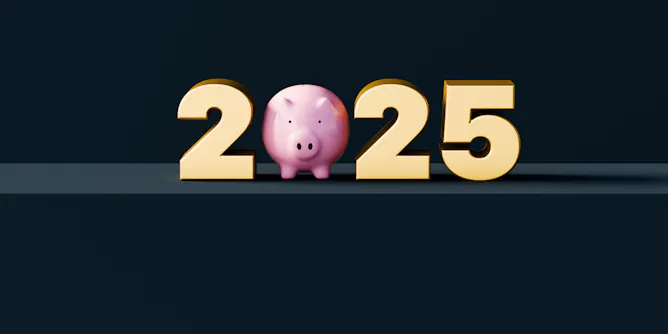
‘Forecasting is for the weather,’ economists say. But it can be fun anyway.
Articles on US inflation
Displaying 21 - 40 of 80 articles
The US added just 12,000 jobs in October 2024.

Here’s some food for thought: Groceries are actually pretty cheap in the US, comparatively speaking.
Fed policymakers will be paying close attention to the latest data as their next policy meeting draws nearer.

The relatively large rate cut signals that the Fed is shifting its focus from fighting inflation to supporting the labor market, an economist explains.
This trend may surprise you, given the attention the public, policymakers, politicians and the media paid to food insecurity at the height of the pandemic.
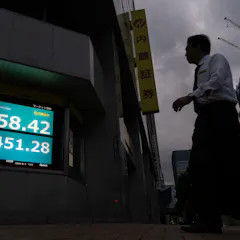
Slowing job growth should come as no surprise.

Setting off fireworks at home was as much a pandemic trend as buying a Peloton.

Monetary policy can be wielded as a tool to boost an economy around election time, which explains why politicians want to have a say on it.

The Federal Reserve is being characteristically cautious.

Investors, homebuyers and central bankers all have reason to be irritated by the latest data, and inflation isn’t licked just yet. But the numbers also show reason for optimism.
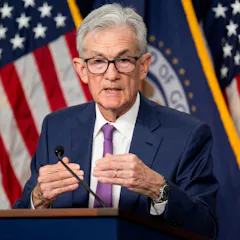
The Federal Reserve doesn’t appear eager to cut rates.
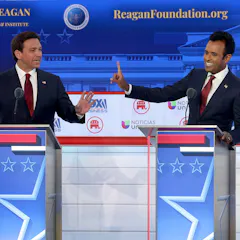
With Donald Trump absent again, Republican presidential hopefuls took potshots at each other but agreed that Bidenomics isn’t cutting it.
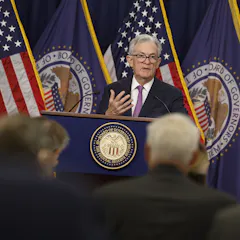
News of a soft landing may be premature.
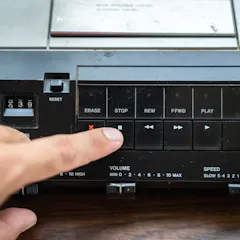
The Fed said it’s pausing its aggressive rate-hiking campaign as it collects more data on the impact.

The numbers seem to be going in the ‘right’ direction for the Fed to pull off a soft landing – and avoid a recession – but the picture remains murky.
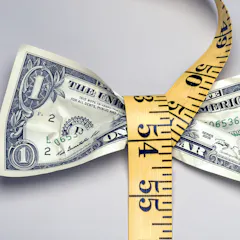
The Fed’s campaign of rate hikes is showing more signs of having the intended effect of slowing the economy – but that may be bad news for those who lose their jobs or have a harder time finding one.
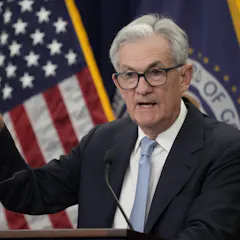
The Fed’s decision to raise rates is likely to put more pressure on regional banks, which will make it harder to avoid a recession.

The Fed raised rates by a quarter-point – less aggressive than had been expected before the current banking crisis, but signaling inflation is still its focus.
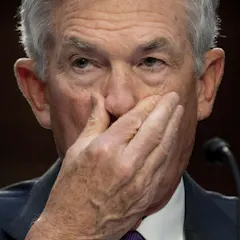
Big interest rate hikes could cause more market turmoil, while doing too little could have the same effect.
Top contributors
-

Professor of Economics, University of Nebraska Omaha
-
Assistant Professor of Economics, Clark University
-
Professor of Political Science, Michigan State University
-
Associate Teaching Professor of Finance, University of Notre Dame
-
Associate Professor of Economics, Gonzaga University
-
Associate Professor of Finance, Mississippi State University
-
Associate Professor of Economics, Pace University
-
Associate Professor of Finance, University of Nebraska Omaha
-
Associate Professor of Business, Boston University
-
Professor or Political Science, Department of Government, University of Essex
-
Associate Professor of Economics, University of South Carolina
-
Doctoral Candidate in Economics, University of California, San Diego
-
Associate Professor of Finance, Texas State University
-
Associate Professor of Economics, West Virginia University
-
Professor of Finance, North Carolina State University