
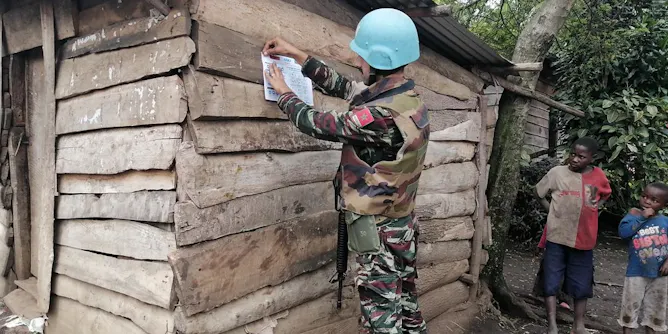
Peacekeeping had been in decline before COVID-19, but they are vital tools in the UN’s armoury.
Articles on UN peacekeeping
Displaying 41 - 60 of 73 articles
Canada sees itself as a peacekeeper and an independent voice in global affairs. The recent vote for a seat on the UN Security Council shows the world doesn’t agree with that image.
United Nations peacekeeping operations need to be refashioned to meet the needs of an ever evolving world.
The UN missions deployed around the world to manage conflict and protect civilians need to be assessed in a manner that accurately reflects their successes and failures.

The Chinese model of peace differs fundamentally from that pursued by western nations.
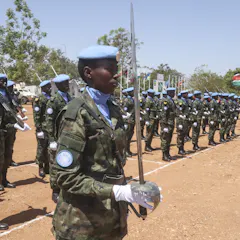
The number of personnel deployed in UN peacekeeping has slowly been decreasing.
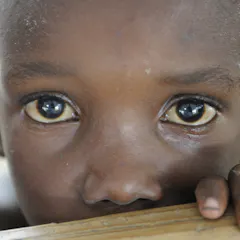
The voices of young victims in Haiti can now be heard for the first time thanks to a groundbreaking new research project.
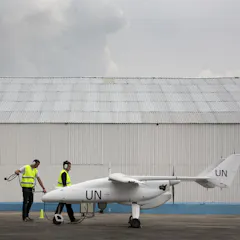
Drones could help United Nations peacekeepers save civilians’ lives – but there are obstacles.
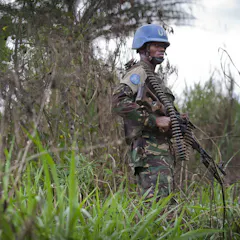
The independent strategic review, now before the Security Council, recognises many of the challenges ahead. But it appears overly sanguine about what can be achieved within a three-year period.
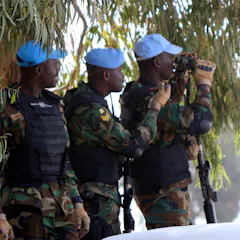
The world body spends more than US$6 billion a year on peacekeeping operations, most of which are in Africa
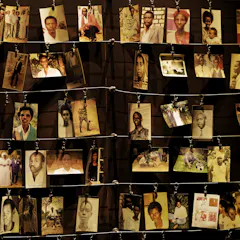
Learning from what actually worked during the United Nations’ infamously ineffective 1994 peacekeeping mission in Rwanda may save lives in the future.
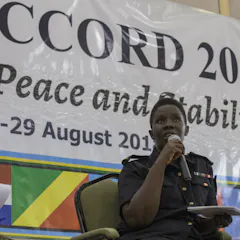
UN agencies could play a role in improving training programmes for peacekeepers who help women.
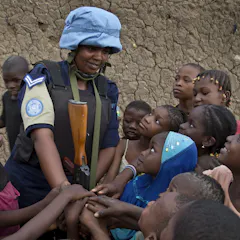
Interviews with Rwandan women from the military who had served on peacekeeping missions found many felt ill-equipped for what they had to deal with.
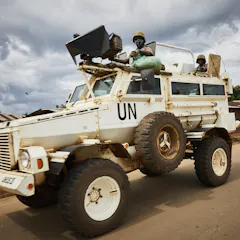
UN peacekeeping missions need to adapt to the complexities of active conflict situations.
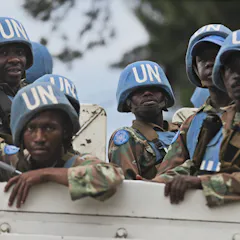
The UN’s mandate must evolve to navigate new realities that include intra-state wars, non-state actors, and transnational crime.

The United Nations Mission in South Sudan has had a mixed bag of success and failure.
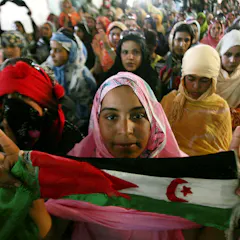
The solidarity conference by the Southern African Development Community (SADC) can be seen as a reaction to the gradual shift of power towards Morocco.

African leaders need to acknowledge the gravity of the Congo crisis and apply pressure on Kabila.
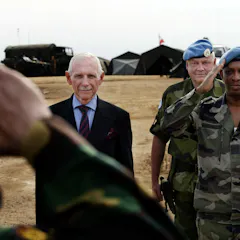
The UN promotes local ownership in peace building, which is difficult to achieve.

As foreign Islamic State fighters return home, there needs to be proper prosecution of sexual violence in armed conflict.
Top contributors
-

Researcher and lecturer, City University of New York
-
Professor of Law, Conflict and Global Development, University of Reading
-
Professor in Global Security, Social Equity Research Centre, RMIT University
-
Visiting Researcher, University of Leeds
-
Head of Programmes, Centre for Policy Research (UNU-CPR), United Nations University
-
Lecturer in Political Science, Binghamton University, State University of New York
-
Professor of International Affairs, Penn State
-
Senior Lecturer, International Development Department, University of Birmingham
-
Associate Professor of International Law and Security, University of Reading
-
Professor and Director of Conflict, Security and Development Research Group, King's College London
-
Professor of Political Science, Department of Political Studies and Governance, University of the Free State
-
Professor of Conflict Studies, School of Conflict Studies, Université Saint-Paul / Saint Paul University
-
Outgoing Interim Director of the Frederick S. Pardee Center for the Study of the Longer-Range Future, Boston University
-
President of the Academic Council on the United Nations System, and Professor of Government and Foreign Service, Georgetown University
-
Lecturer in Politics and International Studies, The Open University