
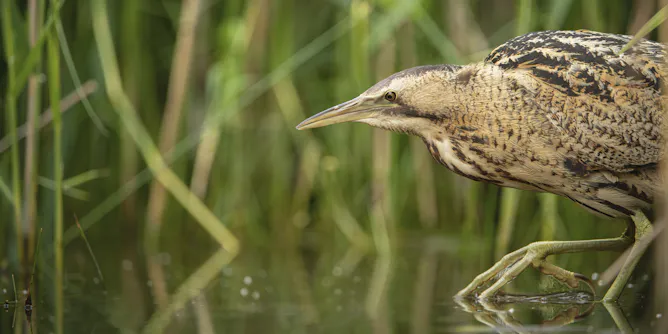
From a low of 11 males in 1997, Britain now has 228 booming bitterns at 103 sites nationwide.
Articles on UK wildlife
Displaying 21 - 40 of 48 articles
Once confined to the Canary Islands, noble false widow spiders are casting their web worldwide.
Nestled among farmland, solar farms can be a refuge for wildlife.

Garden surveys reveal what makes a house a home for Britain’s favourite mammal.
These wetland birds were eradicated in the 17th century, but breeding pairs returned in 1979.
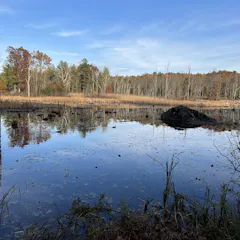
Beavers in our landscapes have great potential to provide small-scale adaptations to climate change – if humans can figure out how to live with them.
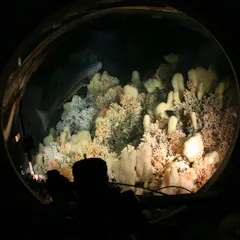
Cold-water corals live in the Atlantic’s frigid depths – and the UK is a stronghold for them.
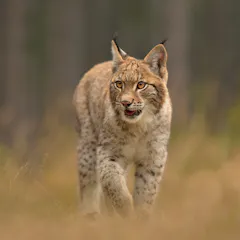
A new study suggests lynxes were in Britain as recently as the 18th century.

“Will it become a wood again, how long will it take, which species will be in it?”
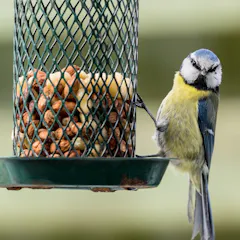
Eating bird food was also linked to a nearly four-fold increase in their breeding densities.
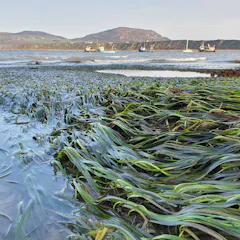
Seagrass meadows are a powerful ally in the effort to slow climate change and reverse wildlife losses.
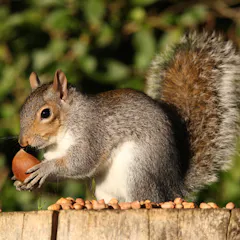
Squirrel feeders laced with contraceptives could be used to suppress grey squirrels in the UK.
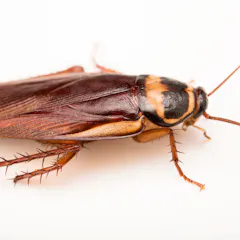
The reality TV show I’m a Celebrity, Get Me Out Of Here is under fire for using non-native insects while filming in the Welsh countryside.
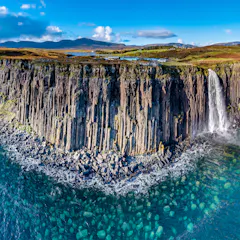
Maerl beds are the coral reefs of the British Isles. But like their tropical counterparts, they’re threatened by climate change.
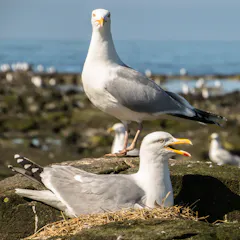
We found plastic waste in pellets seabirds regurgitated and lining the nests where they raise chicks.
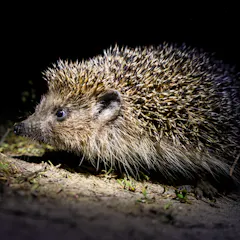
Road networks are emptying during lockdown. What does it mean for wildlife now and in the future?

Domestic gardens offer an oasis for urban wildlife, and are a sight for sore eyes during lockdown.
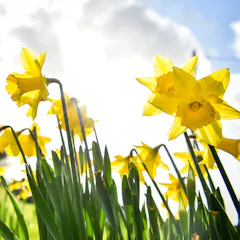
While many plant species fail to germinate, some mammals may wake up to a landscape devoid of prey.
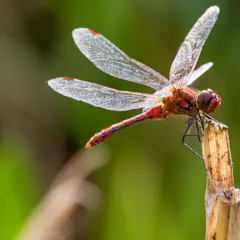
While many surveys show the numbers of wildlife falling, there is good news for some species – including pondskaters and various mosses and lichen.
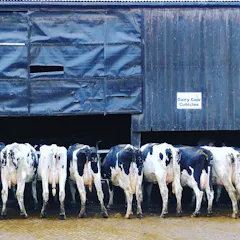
Sweeping changes are in store for British farming, but they’re not guaranteed to benefit struggling ecosystems.
Top contributors
-

Professor of Botany, Edge Hill University
-
Honorary Professor of Genetics, Evolution & Environment, UCL
-
Associate Lecturer in Arts and Humanities, The Open University
-
Honorary Visiting Research Fellow, Bangor University
-
PhD Candidate in Marine Conservation, Heriot-Watt University
-
PhD Candidate, Forest Ecology, Resilience and Biodiversity Conservation, University of Stirling
-
Associate Professor of Marine Science and Sustainability, Umeå University
-
Senior research associate, Lancaster University
-
Lecturer in Ecology, Keele University
-
PhD candidate in Zoology, University of Cambridge
-
Ecologist and Ornithologist at UK Centre for Ecology & Hydrology and Senior Research Associate in Zoology, University of Oxford
-
Senior Lecturer at the School of Biosciences, Cardiff University
-
Postdoctoral Researcher in Biodiversity Change, UCL
-
Senior Lecturer in Evolutionary Biology, Cardiff University
-
Lecturer in Biology, Teesside University