
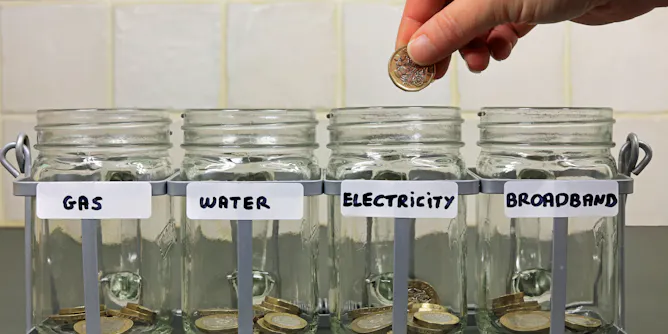
Annual price rises help businesses to protect their profits in uncertain times – but could be driving inflation.
Articles on UK inflation
Displaying all articles
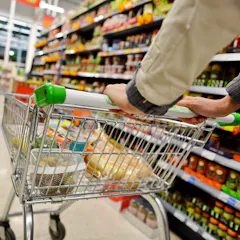
Gathering data on consumer prices and the products we’re really buying will become far more precise, giving a better picture of how we deal with rising costs.

Around 400,000 UK households are set to experience increases of 50% or more in their mortgage payments.
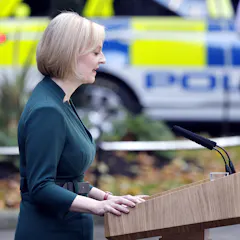
The former prime minister chose to ignore the experts over her growth plan and the mistake cost her – and the UK – dear.

Rising food costs mean more people are turning to the black market to feed themselves – but this has consequences for business and consumers.

The government was so pleased it called a general election.
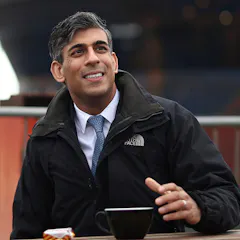
Economic analysis may have influenced the date of the election – but this kind of diagnostic approach could be more widely adopted when it comes to forming policies.

UK inflation fell to 2.3% in the year to April – but it doesn’t necessarily mean the squeeze on household finances is to end.

Levels of consumer confidence can signal people’s future spending plans and the likely impact on the economy.

UK house prices are unlikely to rise much in 2024 as interest rate rises continue to bite.
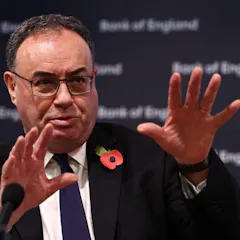
The UK, eurozone and US inflation stories have diverged, which means each economy is now fighting a distinct battle with prices rises, which could require very different weapons.
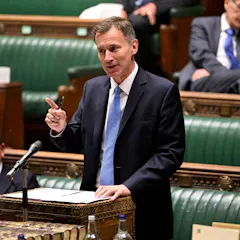
ISAs, benefits and mortgage support are all rumoured to be mentioned in chancellor Jeremy Hunt’s next autumn statement.

Research shows that inflation is not the same for everyone, and neither are its effects.
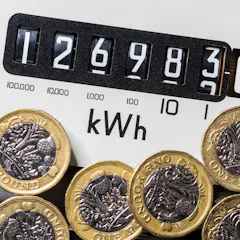
Even if your bill is falling, though, this may bring no sudden relief due to continued high inflation and interest rates.

Different rates of inflation indicate high prices have become ‘embedded’ in these economies.
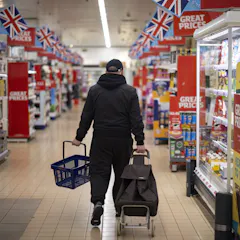
Rishi Sunak is proposing to introduce voluntary caps for staples like milk and bread.
Top contributors
-

Senior Lecturer in Economics, Sheffield Hallam University
-
Senior Lecturer in Business and Economics, Sheffield Hallam University
-
Assistant Professor in Economics, UCL
-
Associate Professor, Supply Chain Analytics, University of Bradford
-
Professor of Practice and Director of the Institute for European Policymaking, Bocconi University
-
Professor of Political Economy, University of Warwick
-
Economics lecturer, University of Galway
-
Visiting Academic, The Open University
-
Professor of Enterprise and Competitiveness, University of Birmingham
-
Assistant Professor in Economics, Durham University
-
Professor of Technology Management and Circular Economy, Kingston University
-
Professor and Director of the Centre for Energy Policy, University of Strathclyde
-
Associate Professor (Senior Lecturer) in Economics, University of Essex
-
Head of Department of Economics, Finance & Accounting, Brunel University of London
-
Research Fellow, Institute for European Policymaking, Bocconi University